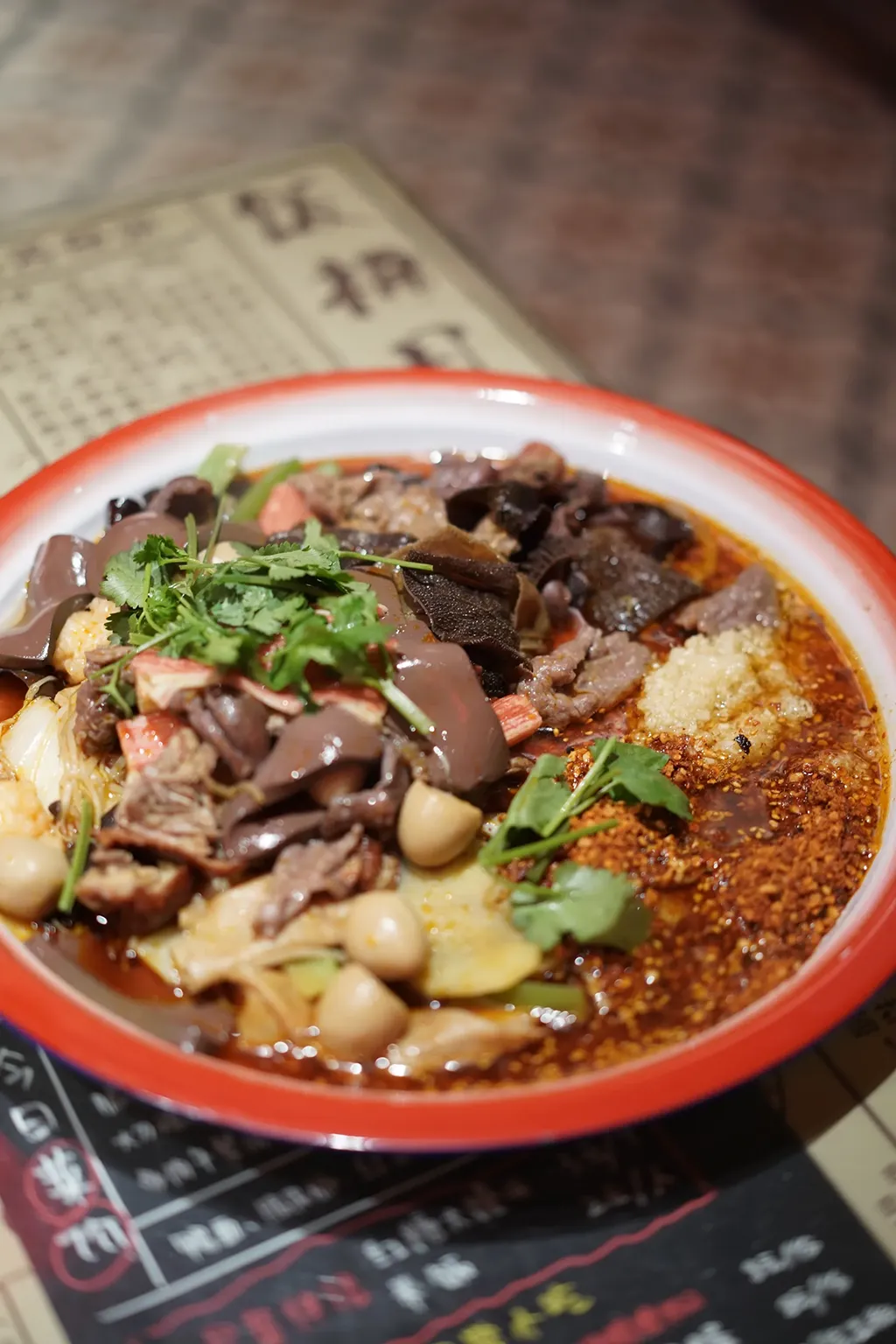
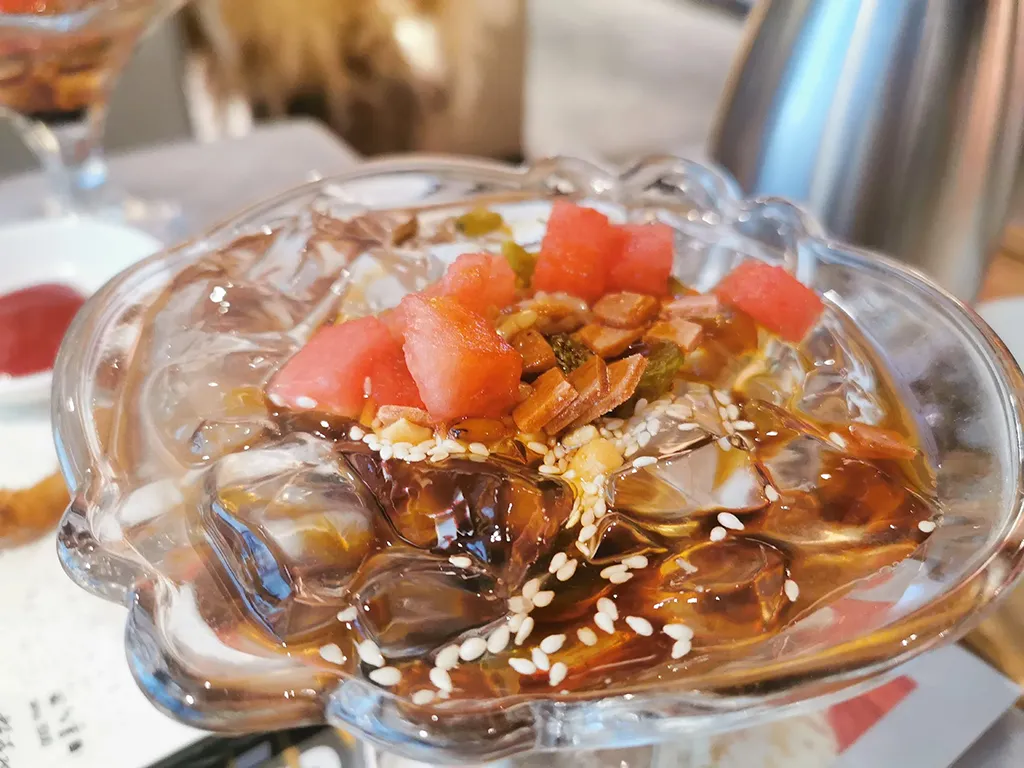
Chengdu: A UNESCO City of Gastronomy
As a UNESCO-recognized “City of Gastronomy,” Chengdu is heaven for food lovers—you could eat here for a whole month and still not try everything. For travelers who want to explore the city’s famous landmarks while also indulging in local flavors, the best strategy is to choose highly-rated restaurants near attractions. So, how do you squeeze Chengdu’s must-try foods into a 3-day trip without missing the sights? Let’s dive in!
Day 1: Chunxi Road Shopping District
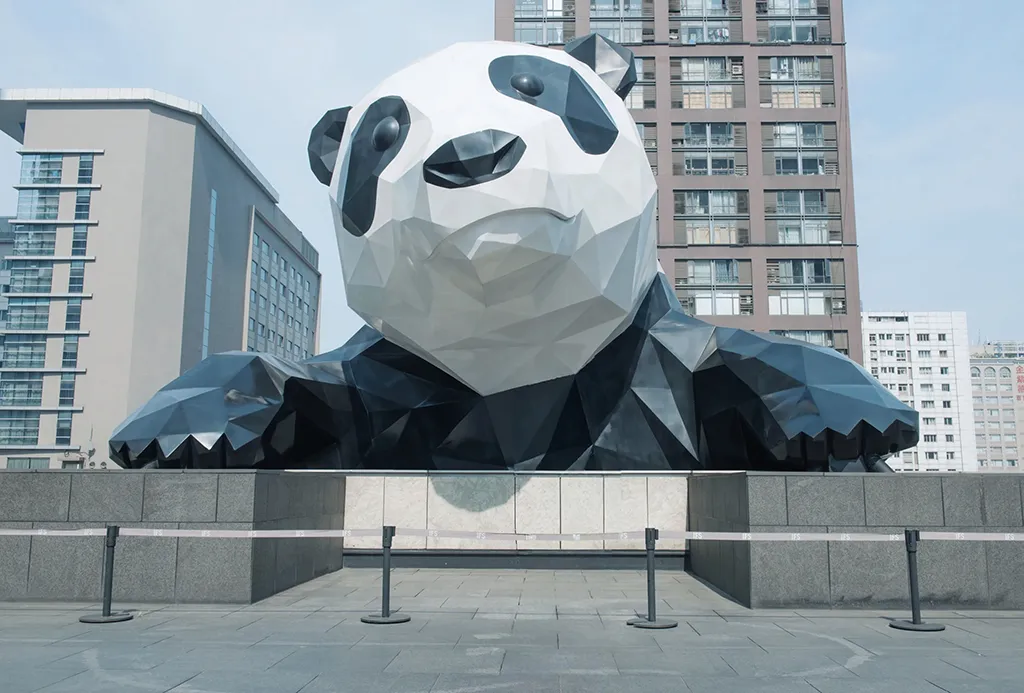
Chunxi Road is Chengdu’s iconic shopping hub, covering the bustling Chunxi Road commercial street, the sleek Taikoo Li complex with its traditional-style tiled roofs, and IFS Chengdu with its giant panda climbing on the building façade.
Here, you’ll find everything from luxury boutiques to fast fashion, from century-old local shops to trendy internet-famous stores. The area also reflects Chengdu’s cultural vibe—home to Fangsuo Bookstore , ranked among the world’s 15 most beautiful bookstores, along with many stylish cultural and creative shops.
Most importantly, Chunxi Road is a paradise for foodies. With countless eateries ranging from time-honored brands to popular snack stalls, it’s the perfect place for a “walk-and-eat” kind of day. The only challenge? Deciding what to eat first!
Where to Eat Around Chunxi Road
-
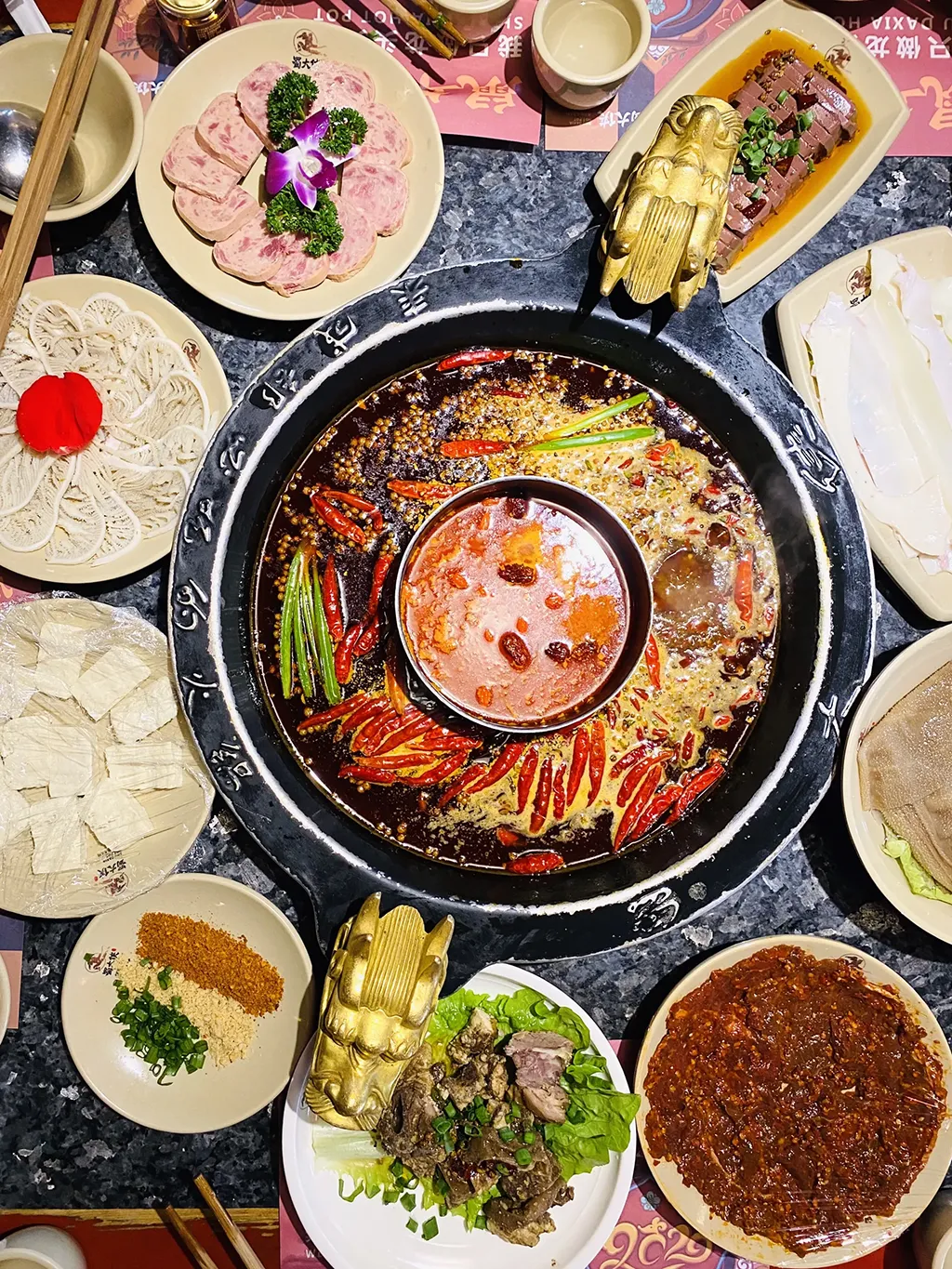
Shu Daxia Hotpot (蜀大侠火锅, Shǔ Dàxiá Huǒguō) : Famous for beef tripe, glacier goose intestines, and Guifei-style beef.
-
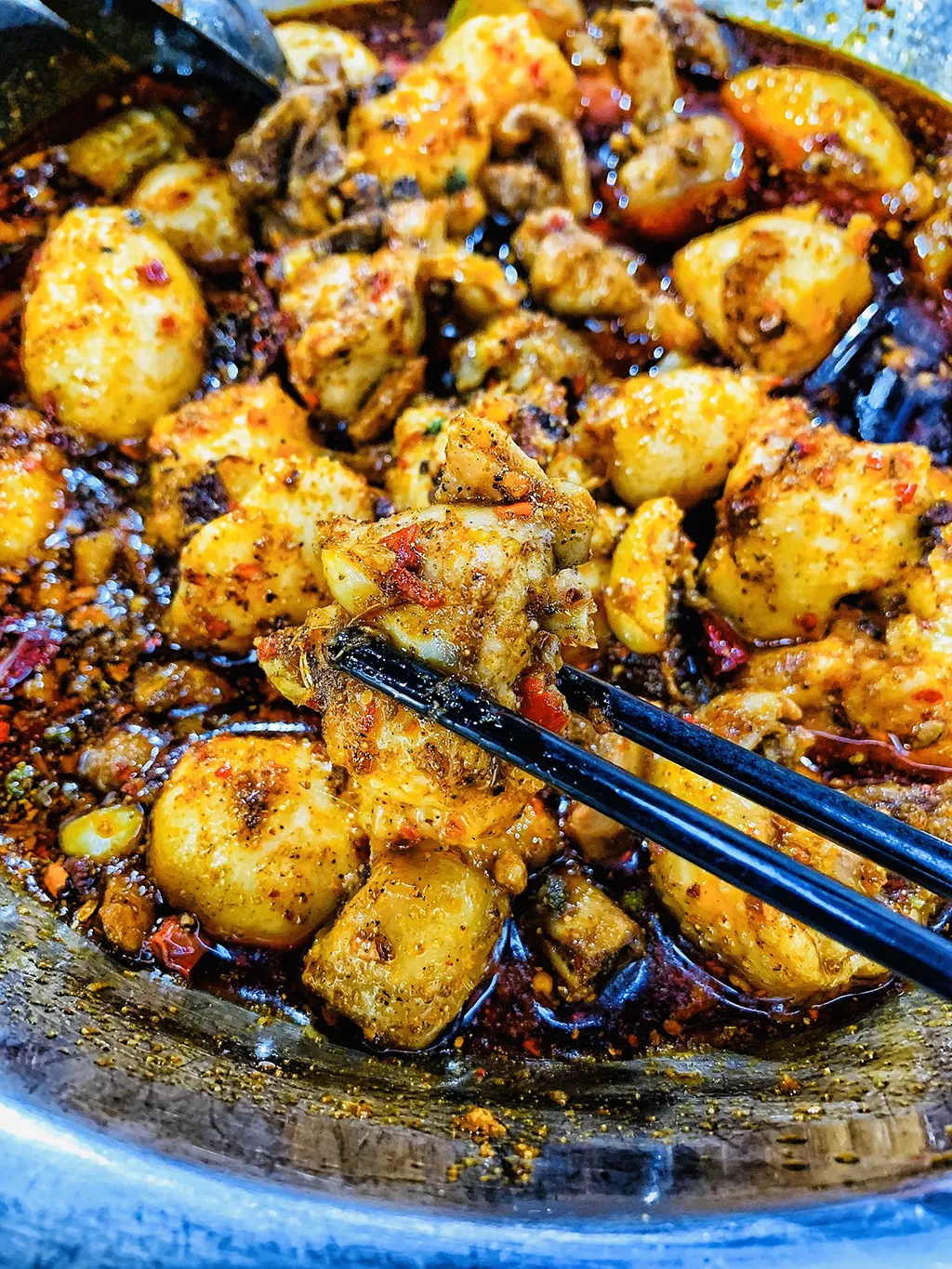
Haolin Restaurant (饕林餐馆, Tāo Lín Cānguǎn) : Try river fish, five-flavor chicken, spicy rabbit, and fried chicken with chili.
-
Kaojiang (烤匠, Kǎojiàng) : Known for grilled fish, roasted pork brain, and pineapple beef.
-
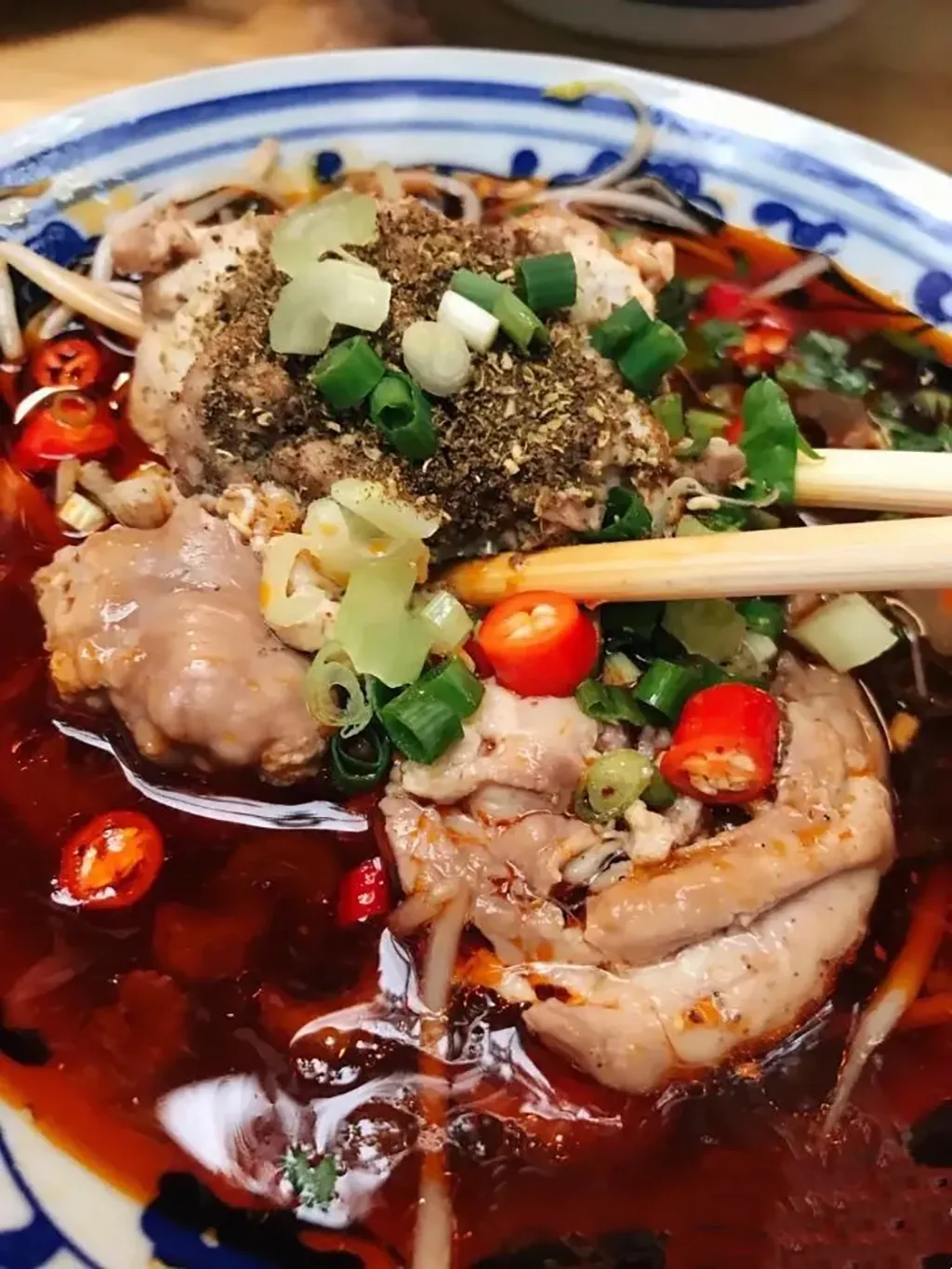
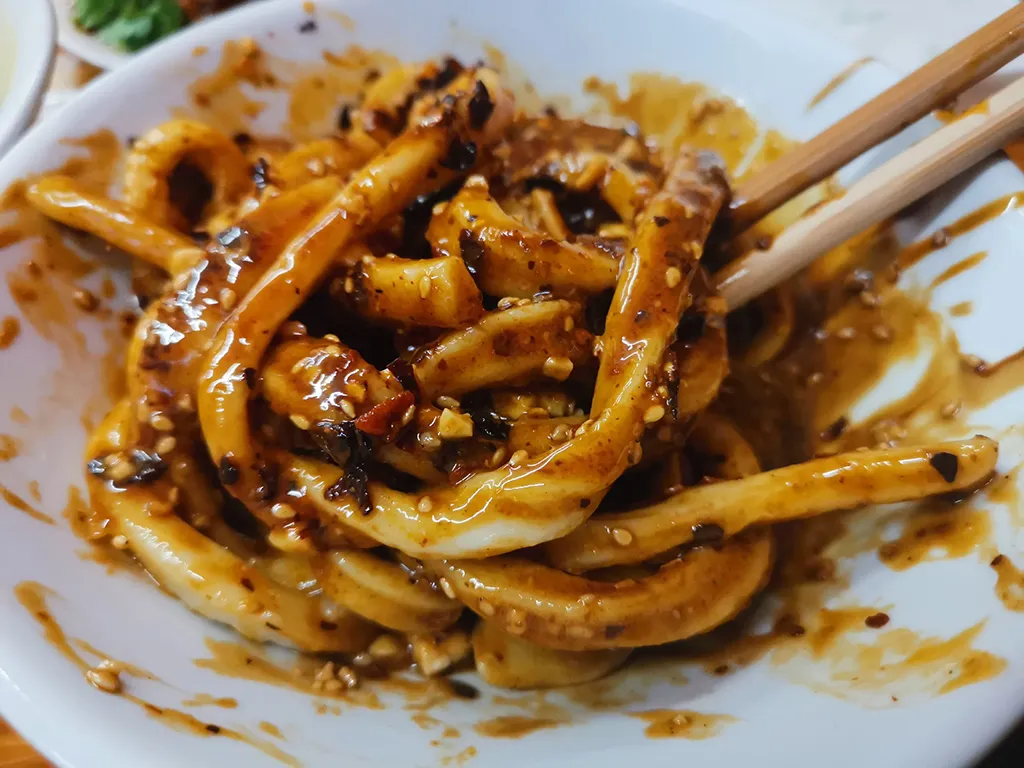
Wu Ji Guai Wei Noodles (吴记怪味面, Wú Jì Guàiwèi Miàn) : Don’t miss their signature guaiwei noodles and seafood noodles.
-
Juecheng Yu’er Chicken (绝城芋儿鸡, Juéchéng Yù’ér Jī) : Famous for chicken with taro, spiced skewers, and dry pot bullfrog.
-
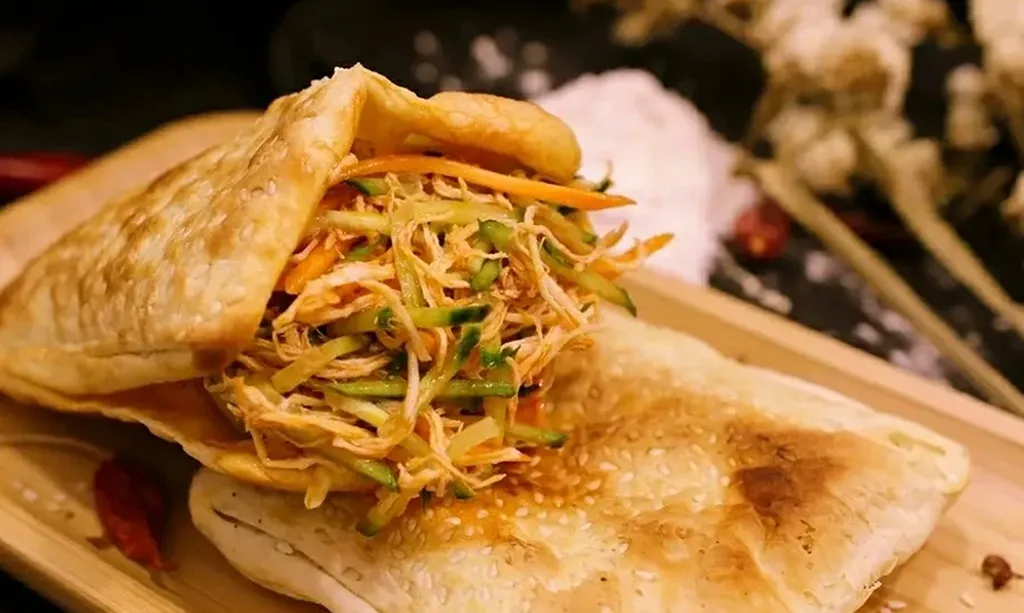
Suxiang Mendi Guokui Liangfen (酥香门第锅盔凉粉, Sūxiāng Méndì Guōkuī Liángfěn) : Go for guokui flatbread.
-
Huaxing Fried Egg Noodles (华兴煎蛋面, Huáxīng Jiāndàn Miàn) : Order the fried egg noodles and brown sugar sticky rice dumplings.
-
Lu Ma Chuanchuan (卢妈串串, Lú Mā Chuànchuàn) : A local favorite for skewers, pork brain, duck head, and hotpot noodles.
Day 2: People’s Park, Kuanzhai Alley & Wenshu Monastery
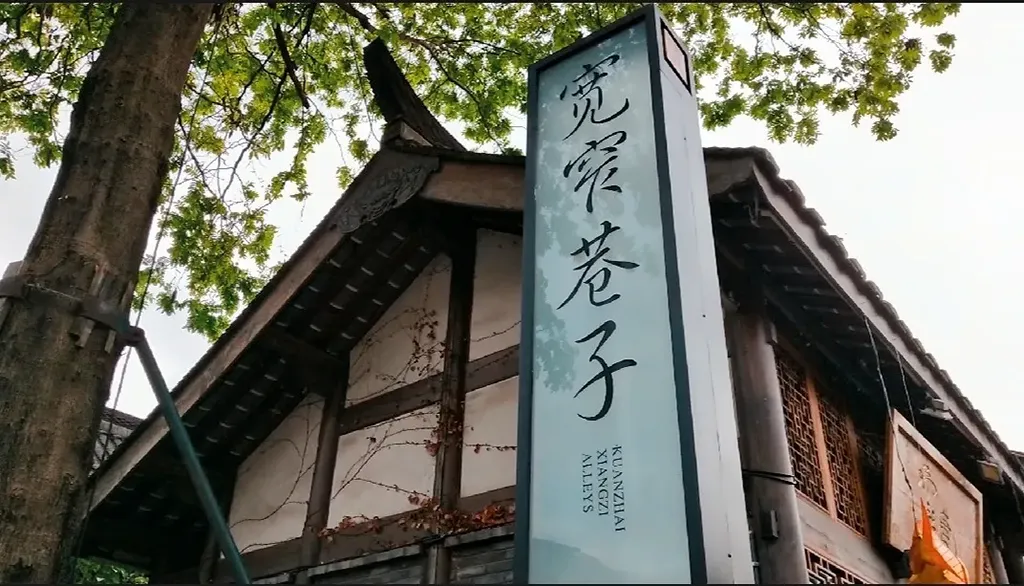
Kuanzhai Alley (宽窄巷子, Kuānzhǎi Xiàngzi)
For many visitors, Kuanzhai Alley is their very first impression of Chengdu. It is made up of three parallel lanes—Wide Alley, Narrow Alley, and Well Alley—lined with gray brick walls and traditional-style architecture. Here, you’ll find a lively mix of tourists and creatives, along with shops that highlight local traditions while embracing trendy lifestyles. It’s where old Chengdu’s folk culture meets a modern vibe.
People’s Park (人民公园, Rénmín Gōngyuán)
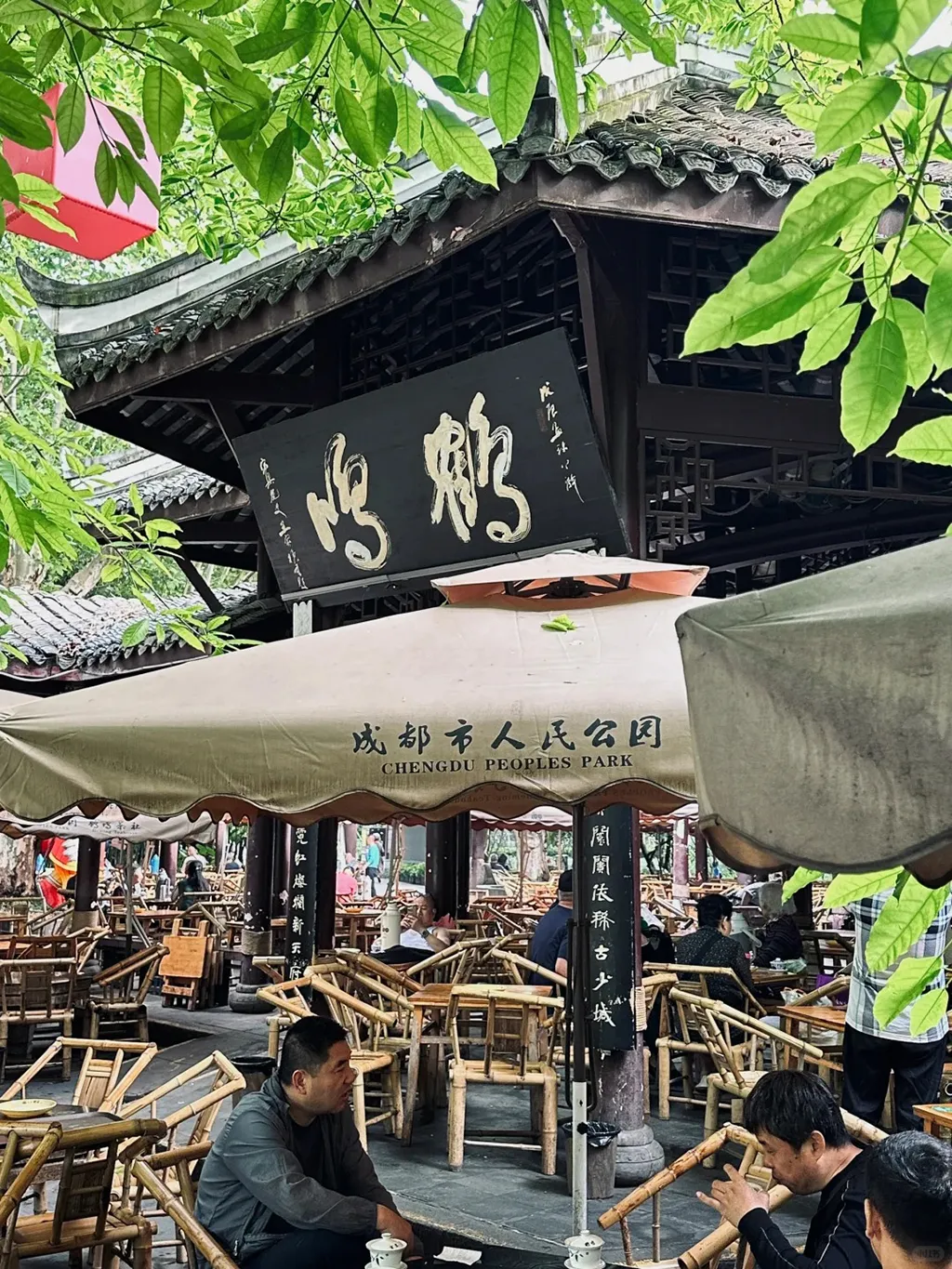
Located near Kuanzhai Alley, People’s Park is home to the Heming Teahouse (鹤鸣茶社, Hèmíng Cháshè) , which has been serving tea for over 90 years. Beneath ancient phoenix trees, hundreds of bamboo chairs are set out, while old-fashioned copper kettles simmer on stoves. Taking a stroll, sipping tea, and feeding koi fish here is the best way to experience Chengdu’s famous “bashi (巴适, comfortable and laid-back)” lifestyle.
Where to Eat Nearby
-
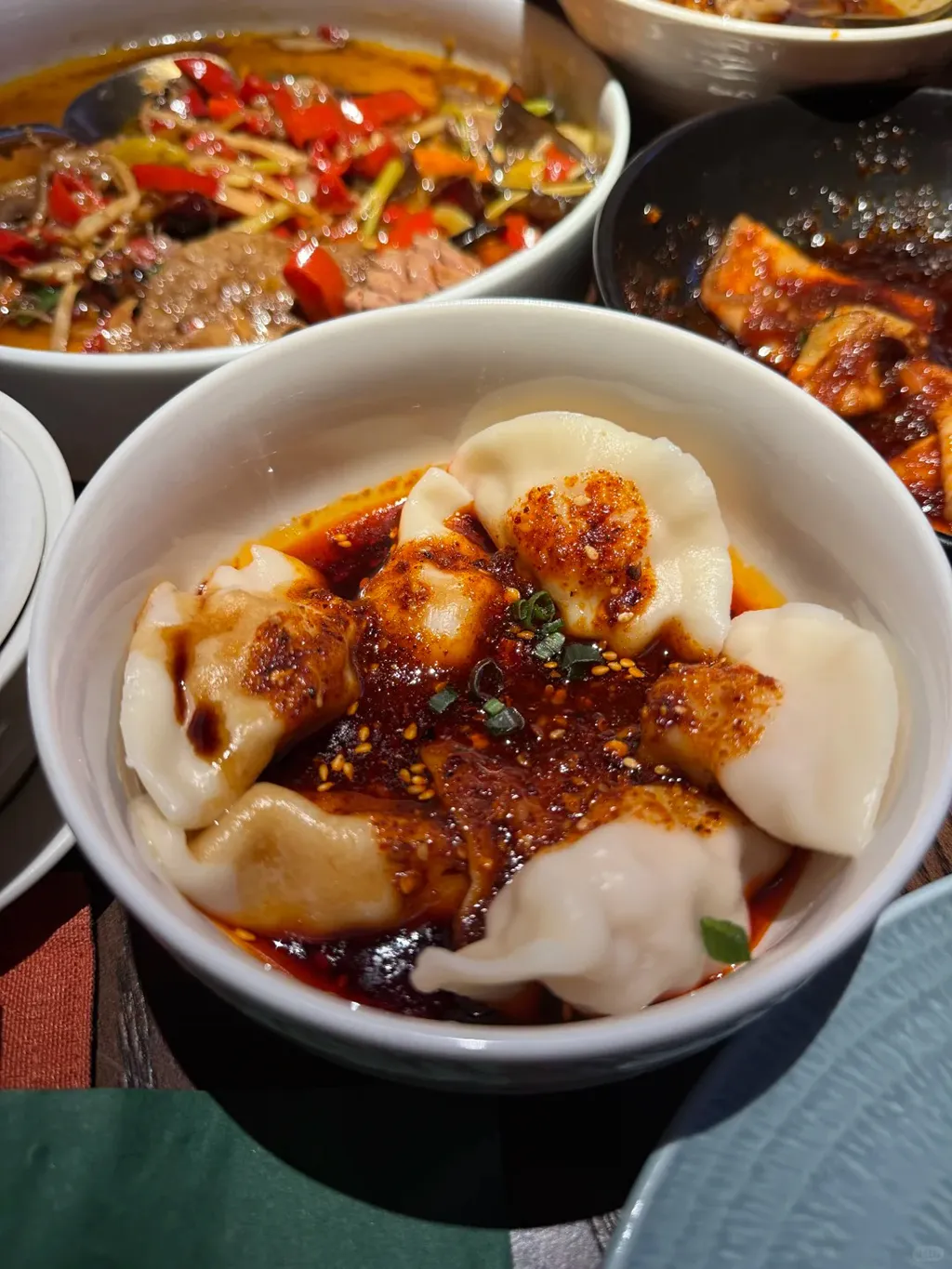
Zhong Dumplings (钟水饺, Zhōng Shuǐjiǎo) : Famous for Zhong-style dumplings and classic Chengdu snacks.
-
Long Sen Yuan Hotpot (龙森园火锅, Lóngsēnyuán Huǒguō) : Try tender beef, premium tripe, and brown sugar glutinous rice cakes.
-
Mao Jiao Huola (冒椒火辣, Mào Jiāo Huǒlà) : Known for spicy rabbit kidneys and crispy pork intestines.
-
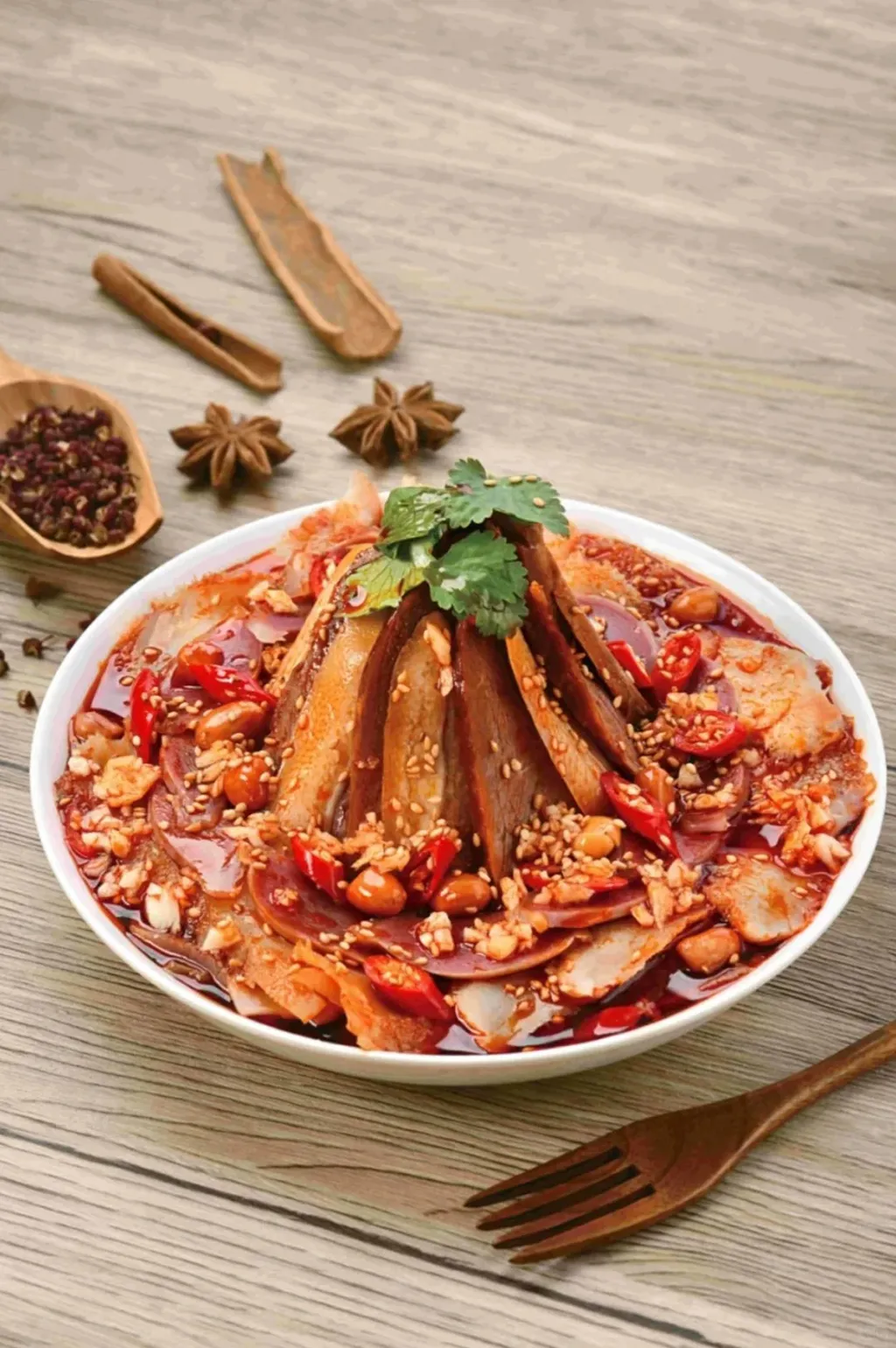
Nuli Restaurant (努力餐, Nǔlì Cān) : Signature dishes include Kung Pao Chicken, Fuqi Feipian (夫妻肺片, sliced beef & ox tongue in chili sauce), and sticky rice chicken.
-
Lao Ma Pig Trotters (老妈蹄花, Lǎomā Tíhuā) : Order snow pea pig trotters or spicy pig trotters.
-
Old Chengdu Three Noodles (老成都三样面, Lǎo Chéngdū Sān Yàng Miàn) : Specializes in zhajiang noodles, dandan noodles, and iced douhua (豆花, soft tofu pudding).
-
Xiyue City Tofu Pudding (西月城谭豆花, Xīyuèchéng Tán Dòuhuā) : Offers chilled drunken tofu pudding and beef tofu pudding.
Wenshu Monastery (文殊院, Wénshū Yuàn)
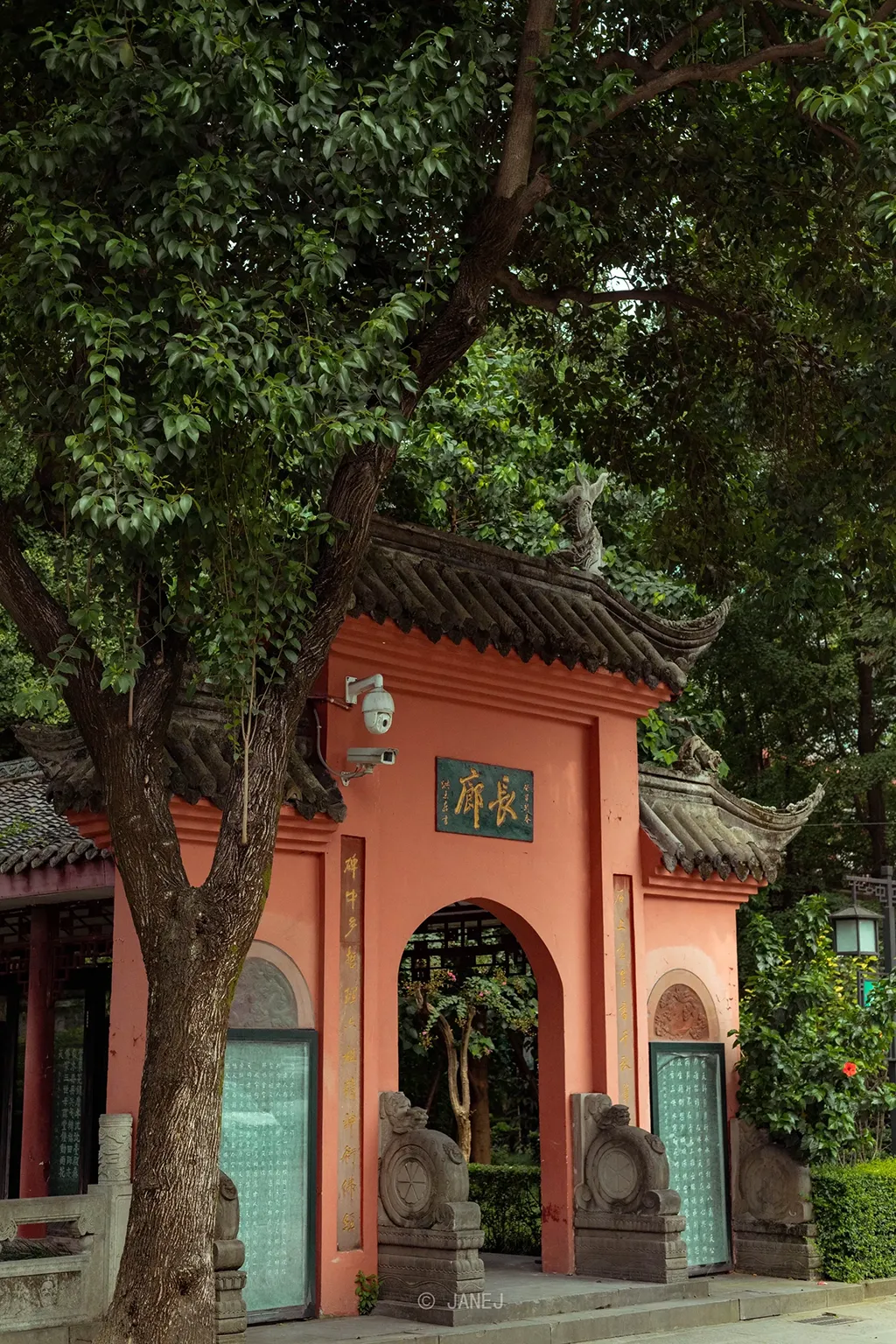
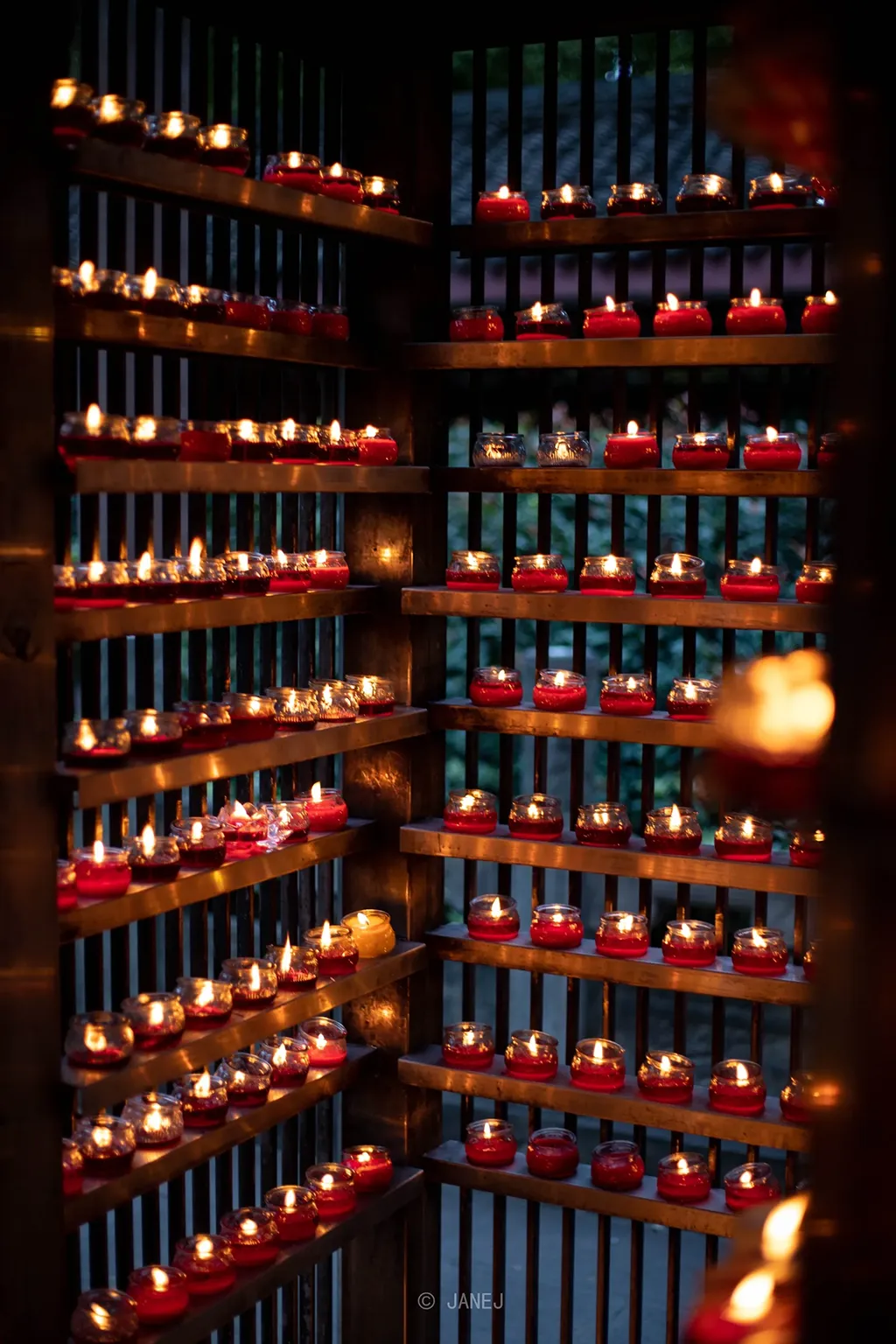
When it comes to Chengdu’s food districts, Wenshu Monastery always makes the list. Built during the Sui Dynasty, it’s one of the most renowned Buddhist temples in western Sichuan and ranks among the four great Zen temples along the Yangtze River.
Compared with other touristy spots, Wenshu Monastery is quieter and filled with a strong sense of history. The surrounding streets are free from flashy gimmicks, instead fostering down-to-earth eateries beloved by true foodies who know where to find authentic Chengdu flavors.
Where to Eat Nearby
-
Wensu Yuan (闻酥园, Wénsū Yuán) : Traditional Chengdu pastries like peach crisps, scallion oil crisps, and spiced shortbread.
-
Imperial Pastry Shop (宫廷糕点铺, Gōngtíng Gāodiǎn Pù) : Try their Napoleon cake and salted egg yolk pastries.
-
Dongzikou Zhang Lao’er Liangfen (洞子口张老二凉粉, Dòngzikǒu Zhāng Lǎo’èr Liángfěn) : Famous for sweet water noodles and liangfen (凉粉, cold mung bean jelly).
-
Qiu Erge Guokui (邱二哥锅盔, Qiū Èrgē Guōkuī) : Best known for brown sugar guokui flatbread and Juntun-style guokui.
-
Rongrong Beida Noodle House (蓉荣北大铺盖面, Róngróng Běidà Pùgài Miàn) : Signature “pugai noodles” with stewed peas.
-
Wenshu Dou Soup Rice (文殊豆汤饭, Wénshū Dòu Tāng Fàn) : Must-try dishes include pig intestine bean soup and pork knuckle bean soup.
Day 3: Wuhou Shrine & Jinli Ancient Street
Wuhou Shrine (武侯祠, Wǔhóu Cí)
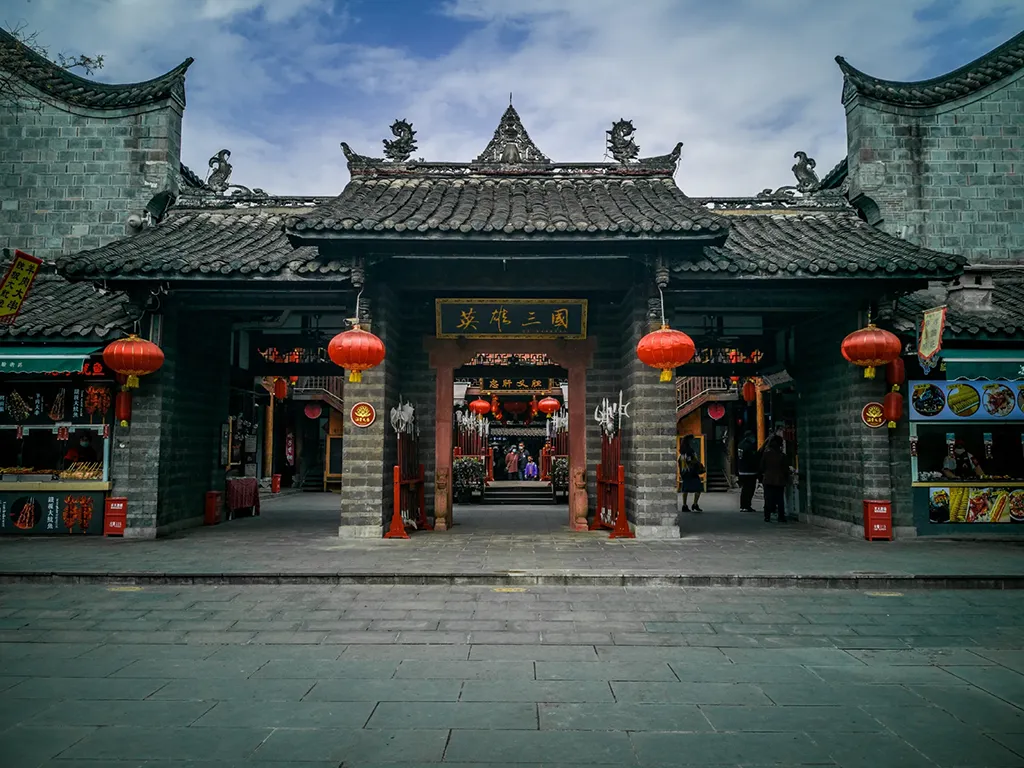
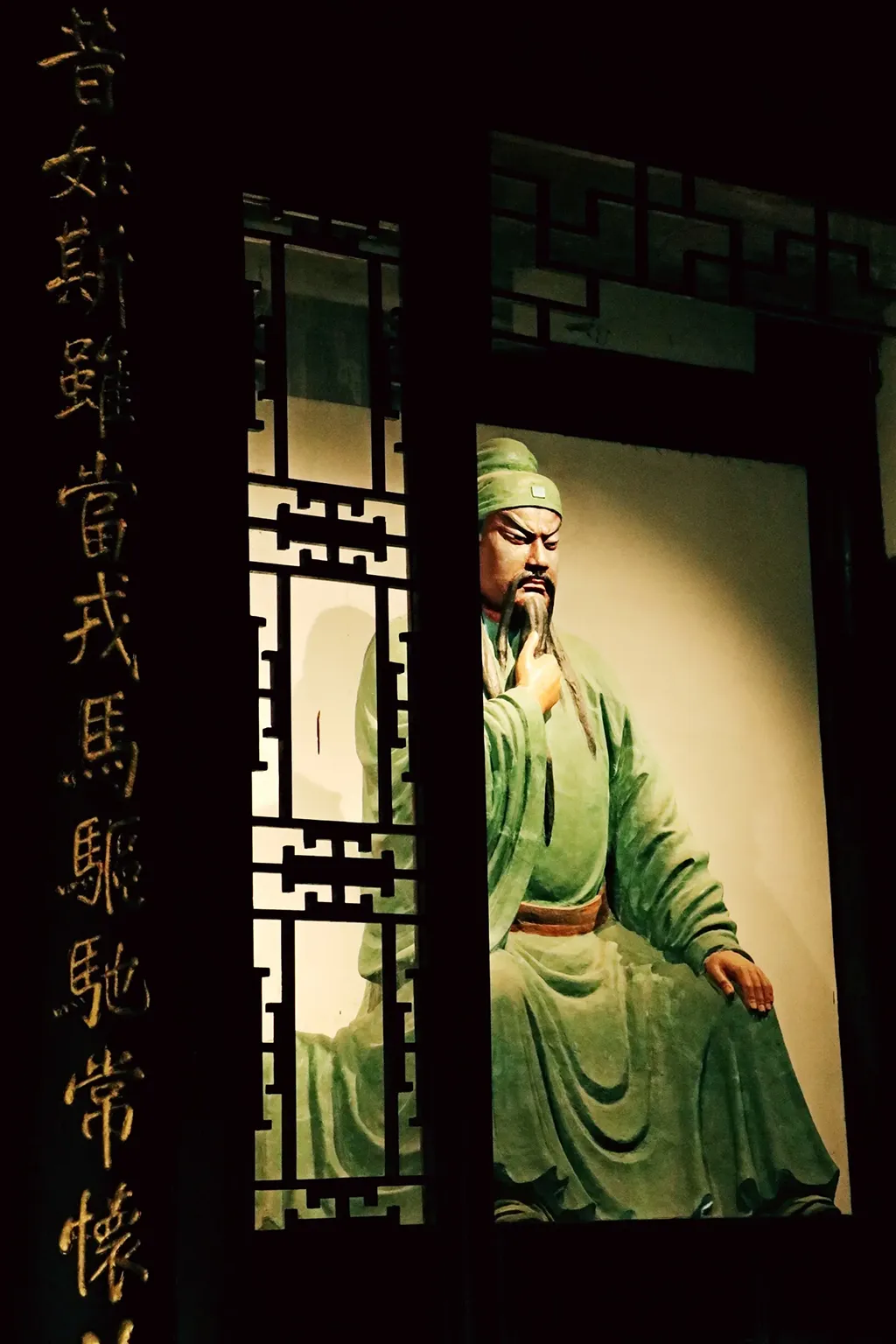
The Wuhou Shrine is dedicated to Zhuge Liang, the brilliant strategist of the Three Kingdoms era, who was granted the title Marquis of Wu during his lifetime. This is one of Chengdu’s most iconic attractions, and no visit to the city is complete without stopping here. Explore the Zhaolie Temple (昭烈庙, Zhāoliè Miào) honoring Liu Bei, and the hall dedicated to Zhuge Liang himself. Strolling along its red walls and bamboo shadows, you’ll feel the deep cultural roots of the Three Kingdoms.
Jinli Ancient Street (锦里, Jǐnlǐ)
Located right next to Wuhou Shrine, Jinli Ancient Street was once a bustling commercial street in Western Shu during the Three Kingdoms period. Today, it’s a beautifully restored pedestrian street filled with traditional-style teahouses, taverns, craft shops, and local specialties. Walking here feels like stepping into Chengdu’s cultural essence, where history, folk traditions, and everyday leisure blend together.
Where to Eat Nearby
-
Shu Jiu Xiang (蜀九香, Shǔ Jiǔxiāng) : Famous for tripe hotpot, Jiuxiang-style beef, and icy goose intestines.
-
Jincheng Impression (锦城印象, Jǐnchéng Yìnxiàng) : Try goose intestines, signature skewers, and prime ribs.
-
Haoshihui Malatang (好实惠冒菜, Hǎoshíhuì Màocài) : Specializes in malatang, spicy pork brain, and crispy fried pork.
-
Xiangxiang Xiaoguan (巷巷小馆, Xiàngxiàng Xiǎoguǎn) : Recommended dishes include chicken giblet noodles and spicy dry noodles with chicken.
-
He Shi BBQ (何师烧烤, Hé Shī Shāokǎo) : Grilled skewers and refreshing bingfen (冰粉, a jelly-like summer dessert).
-
Leshan Yijie Qiaojiao Beef (乐山易姐翘脚牛肉, Lèshān Yìjiě Qiàojiǎo Niúròu) : Signature beef hotpot and fresh blanched beef tongue.
-
Xiao Jiahe Homestyle Noodles (肖家河家常面, Xiàojiāhé Jiācháng Miàn) : Best known for red-oil crispy noodles and zhajiang noodles.
-
Yulin Chuanchuan Xiang (玉林串串香, Yùlín Chuànchuàn Xiāng) : A must-try for classic Chengdu skewers in hotpot broth.