During the Qing Dynasty, four magnificent imperial gardens were built in the western suburbs of Beijing’s Haidian District. While Changchun Garden( 畅春园**)** has not survived, the Summer Palace( 颐和园**)** , Yuanmingyuan( 圆明园**)** (Old Summer Palace), and Jingyi Garden( 静宜园**)** remain to this day, showcasing the grandeur and artistry of China’s royal landscaping.
- Summer Palace: Beijing’s Qing Dynasty Masterpiece
- Yuanmingyuan: The Ruins of China’s Garden of Gardens
- Fragrant Hills Park: Autumn’s Sea of Crimson Leaves
- Beijing Botanical Garden: A Floral Paradise
Summer Palace | From Imperial Retreat to Public Park
Beijing's Summer Palace, A Qing Dynasty Masterpiece
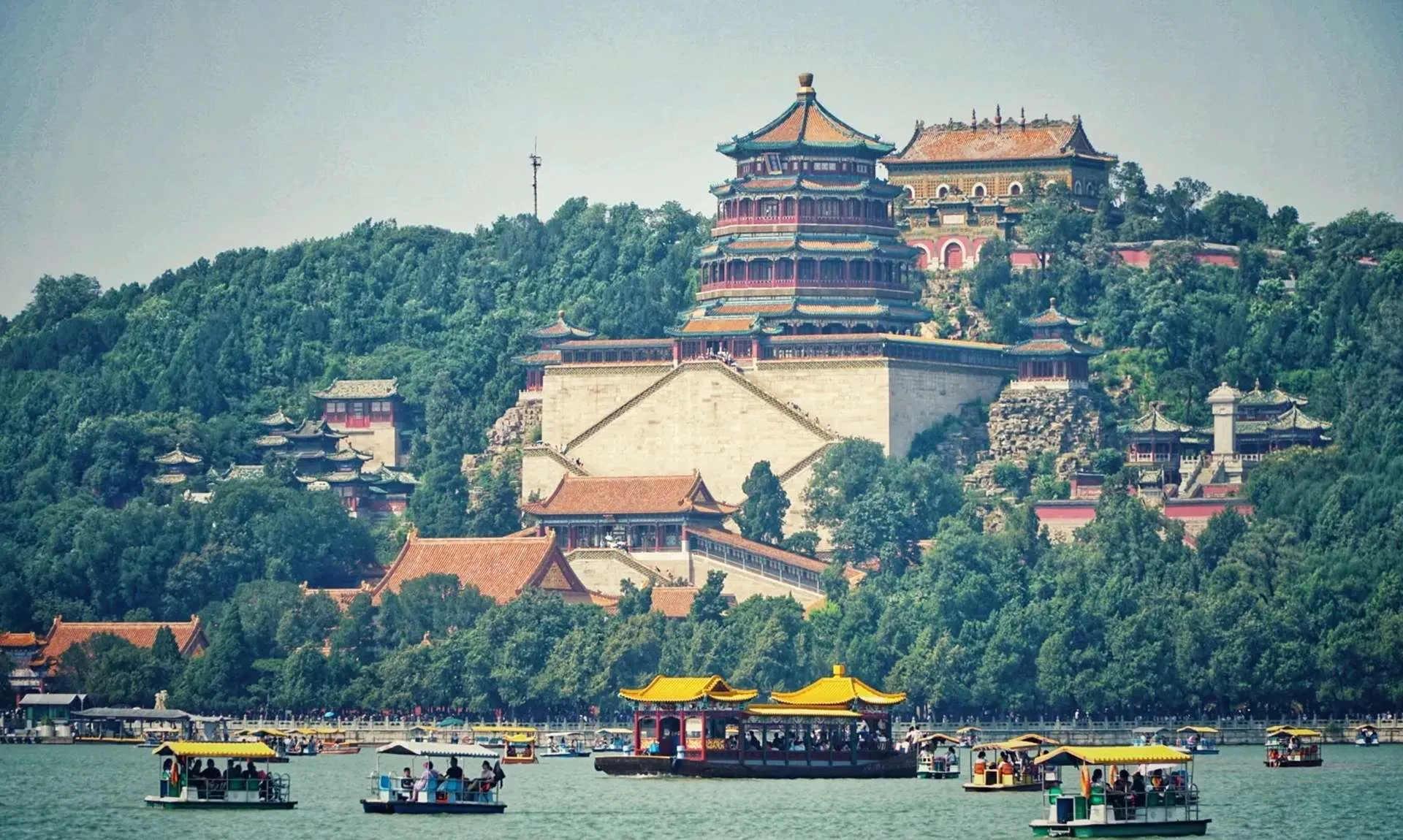
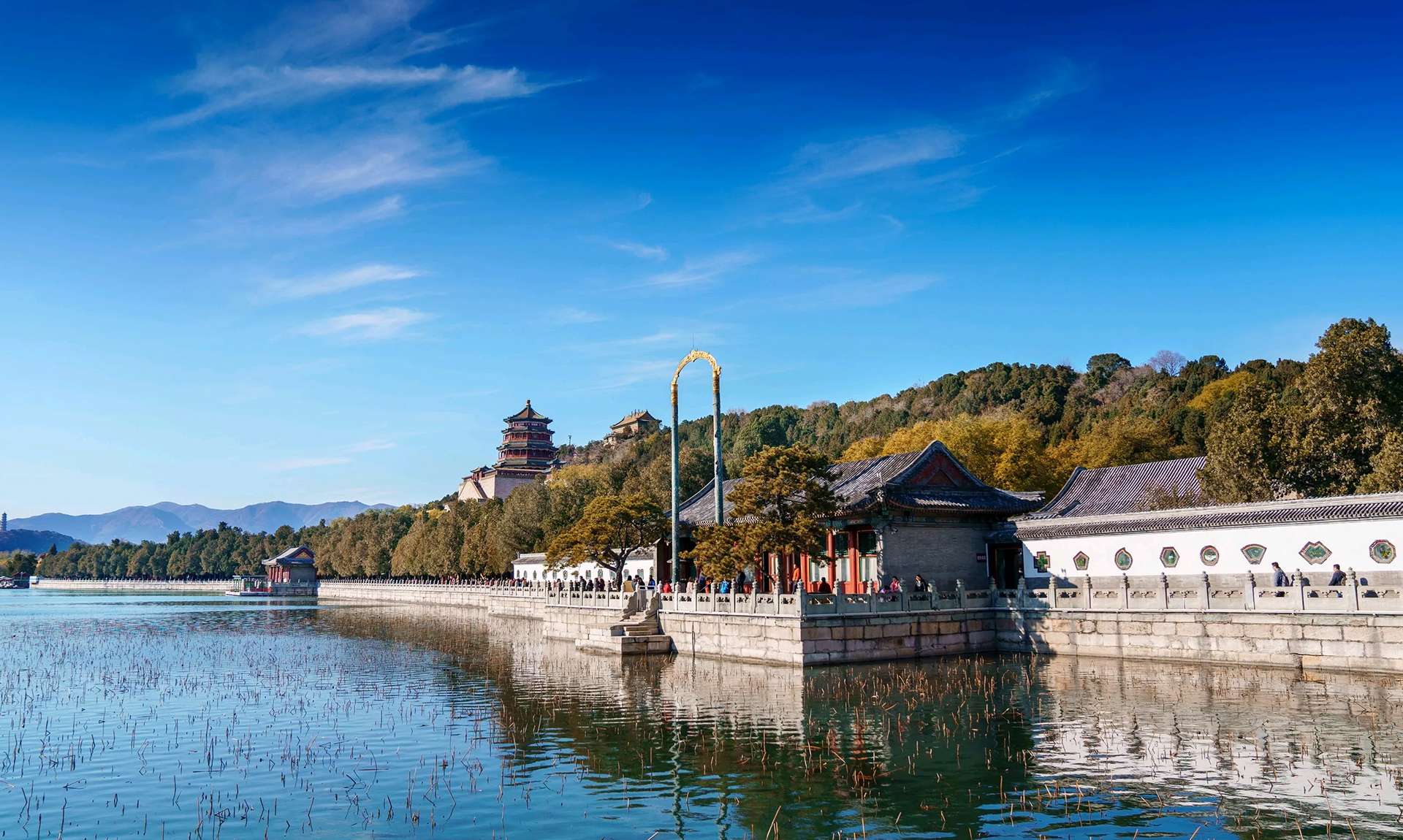
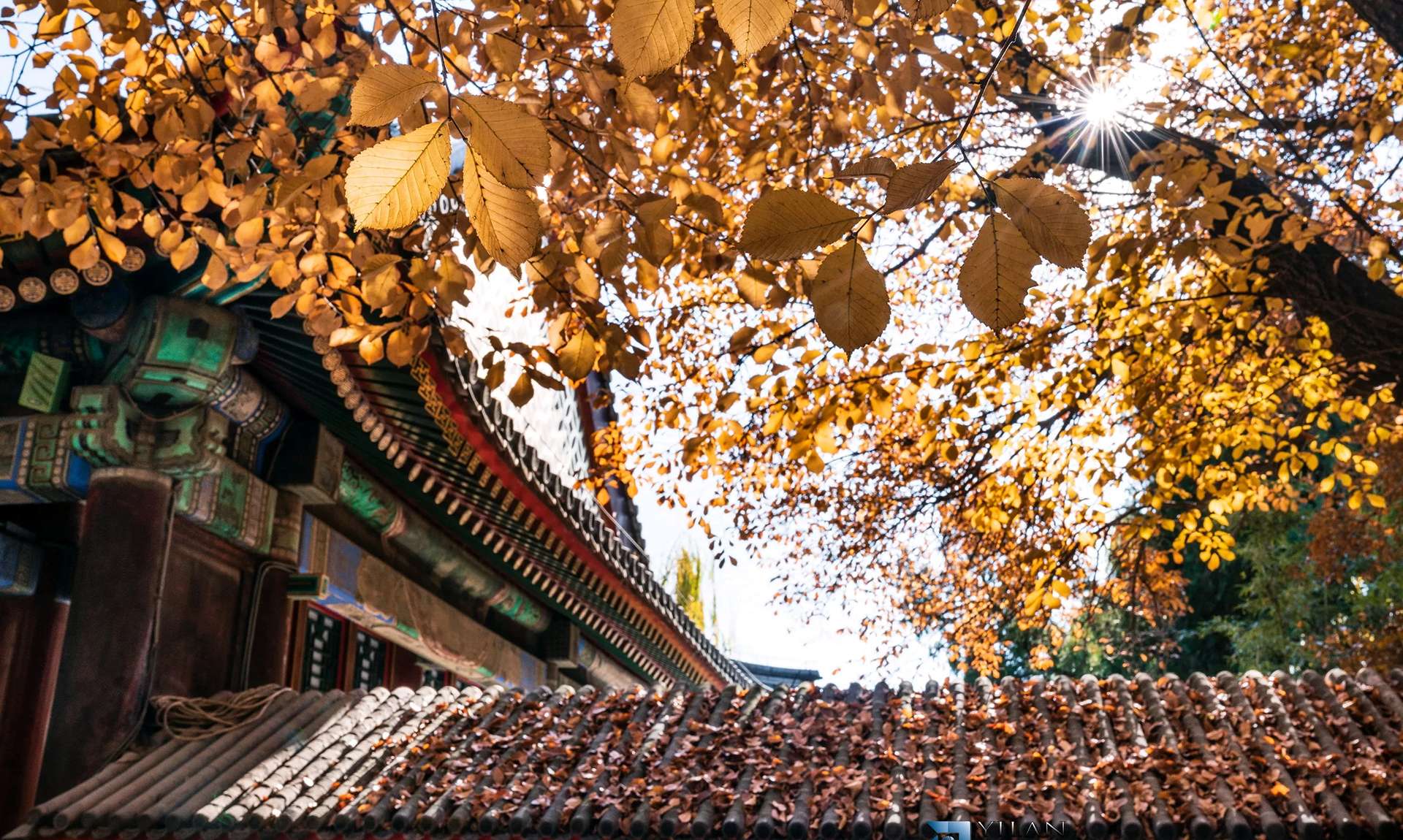
Located in the western suburbs of Beijing, the Summer Palace (Yíhéyuán) stands as a stunning imperial garden from the Qing Dynasty. Its most famous story involves Empress Dowager Cixi, who allegedly diverted funds meant for the navy to restore the palace. However, the origins of the Summer Palace date back to the Qianlong Emperor, who modeled the garden on Hangzhou’s West Lake, creating an expansive landscape of hills and water spanning over 20 kilometers. Spring is one of the best seasons to visit, when flowers bloom in vibrant displays across the park.
A Garden of Triumphs and Tragedy
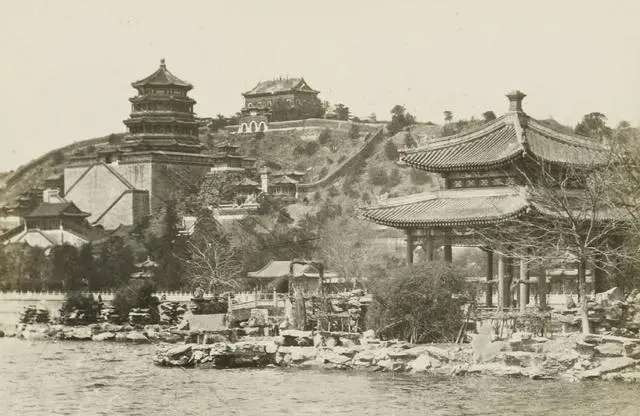
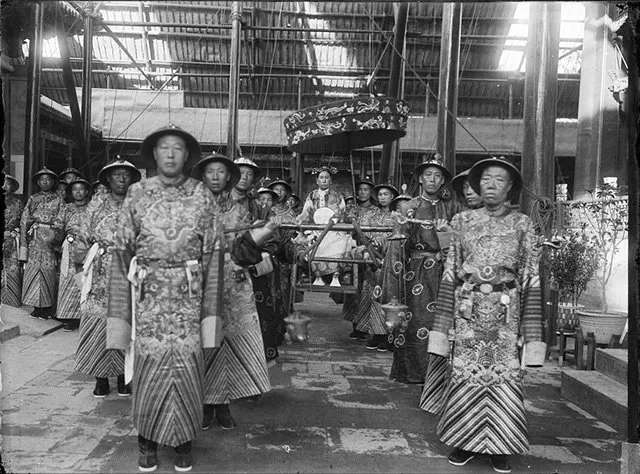
A Garden of Triumphs and Tragedy.Originally named the “Garden of Clear Ripples” (Qīngyíyuán), the palace was burned down by Anglo-French forces in 1860 during the Second Opium War. It was rebuilt during the reign of Emperor Guangxu and renamed the Summer Palace, becoming a summer retreat for the imperial family. The garden’s fortunes turned once again in 1900 when it was damaged by the Eight-Nation Alliance. Finally, in 1914, the garden opened to the public, transforming into a serene landscape for all to enjoy.
Five Main Areas For Tour
Divided into five main areas, the Summer Palace is best explored in parts:
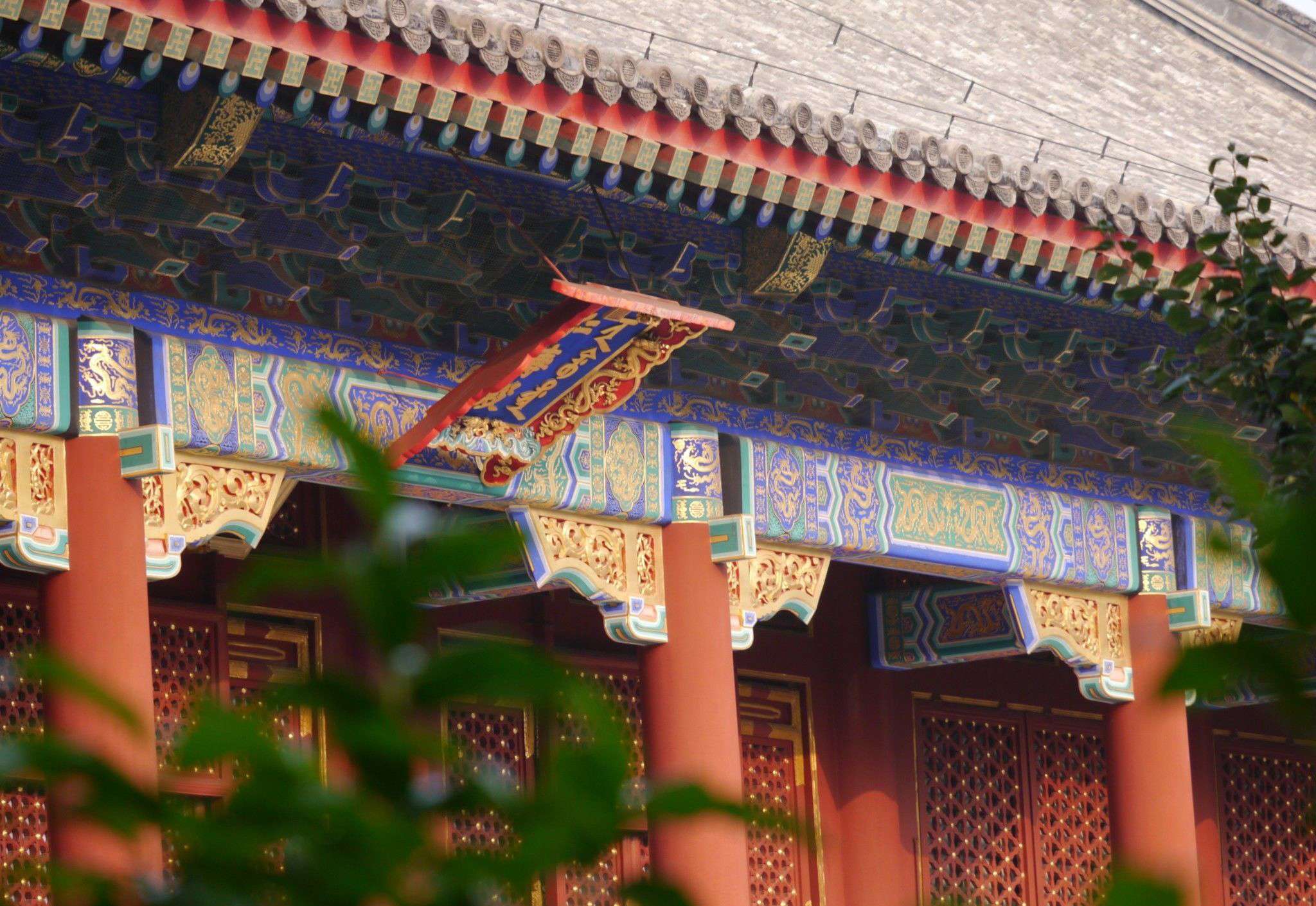
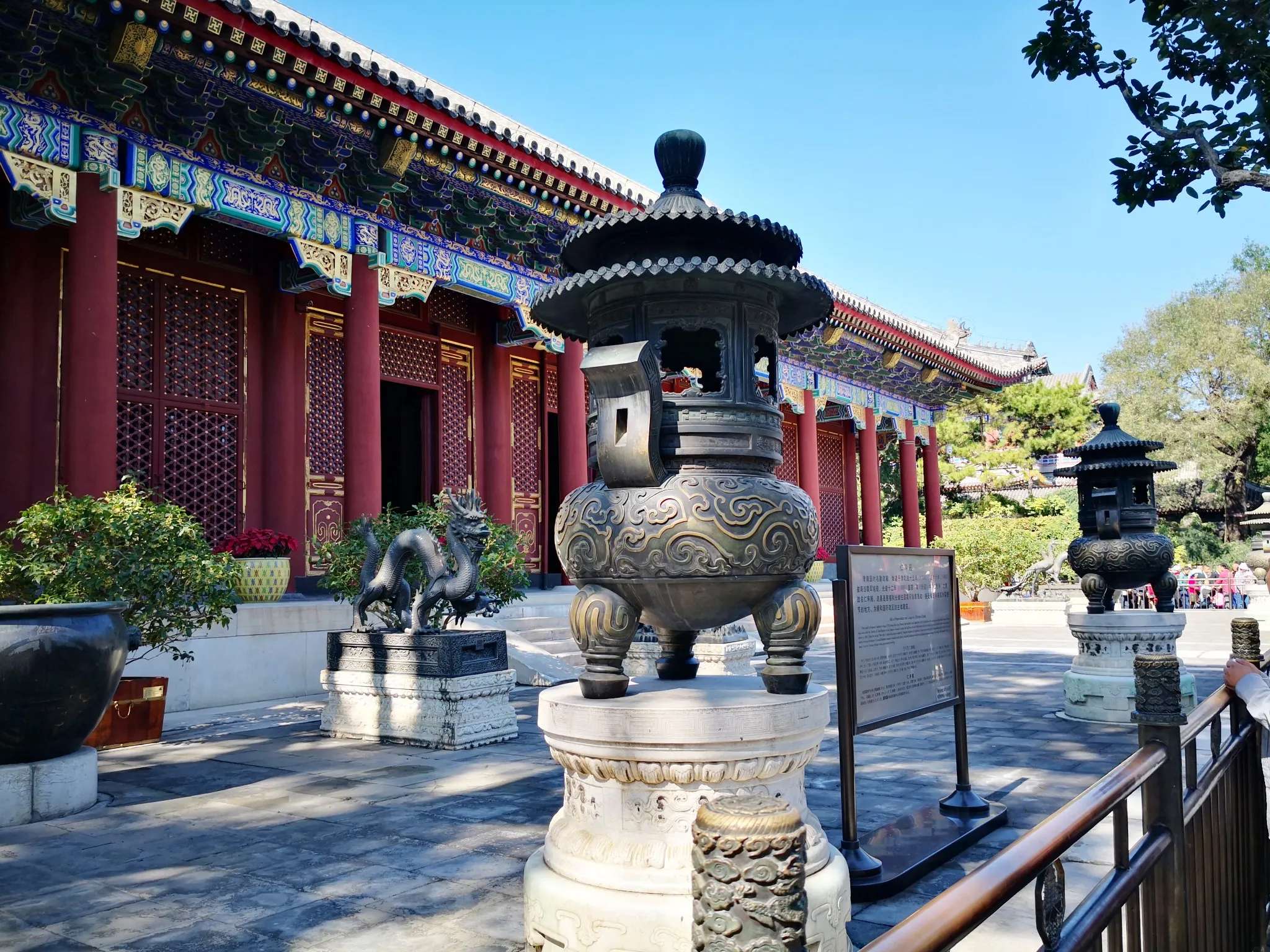
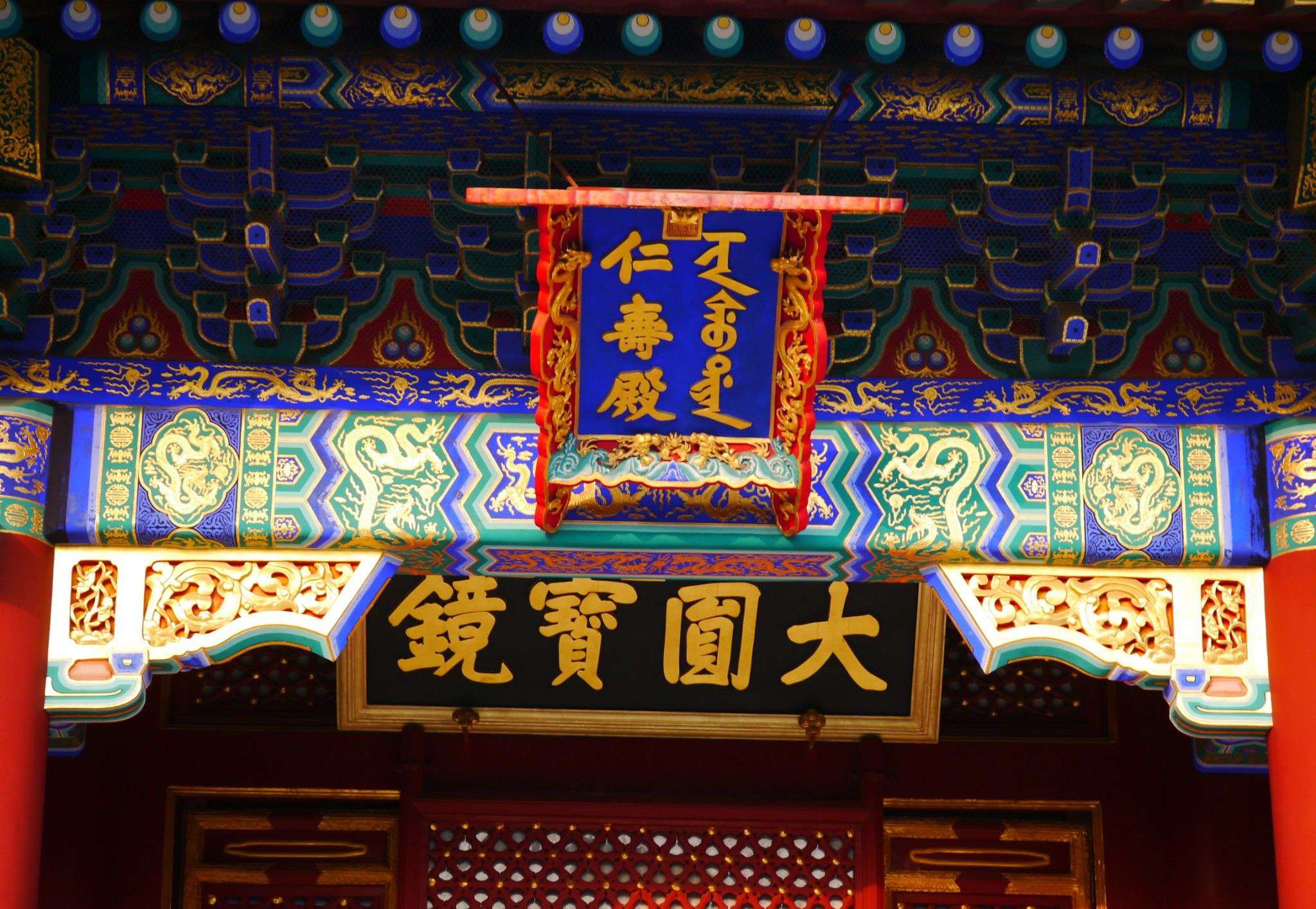
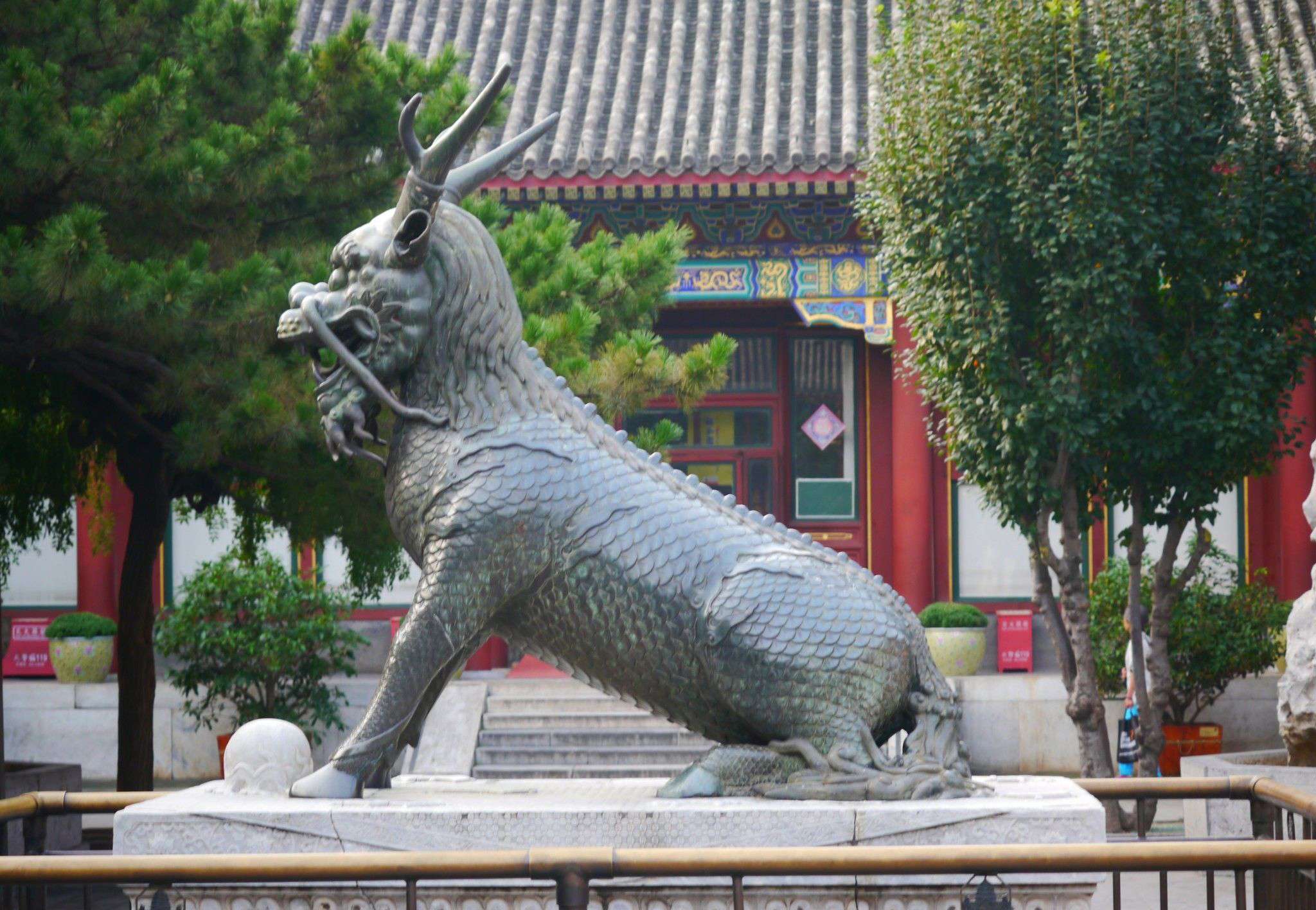
- ****Court Area(宫廷区): Anchored by the Hall of Benevolence and Longevity (Rénshòudiàn), this was where Empress Dowager Cixi and Emperor Guangxu handled court affairs. Behind it lie three opulent courtyards: Le Shoutang, Yu Landang, and Yiyun Pavilion, serving as royal living quarters.
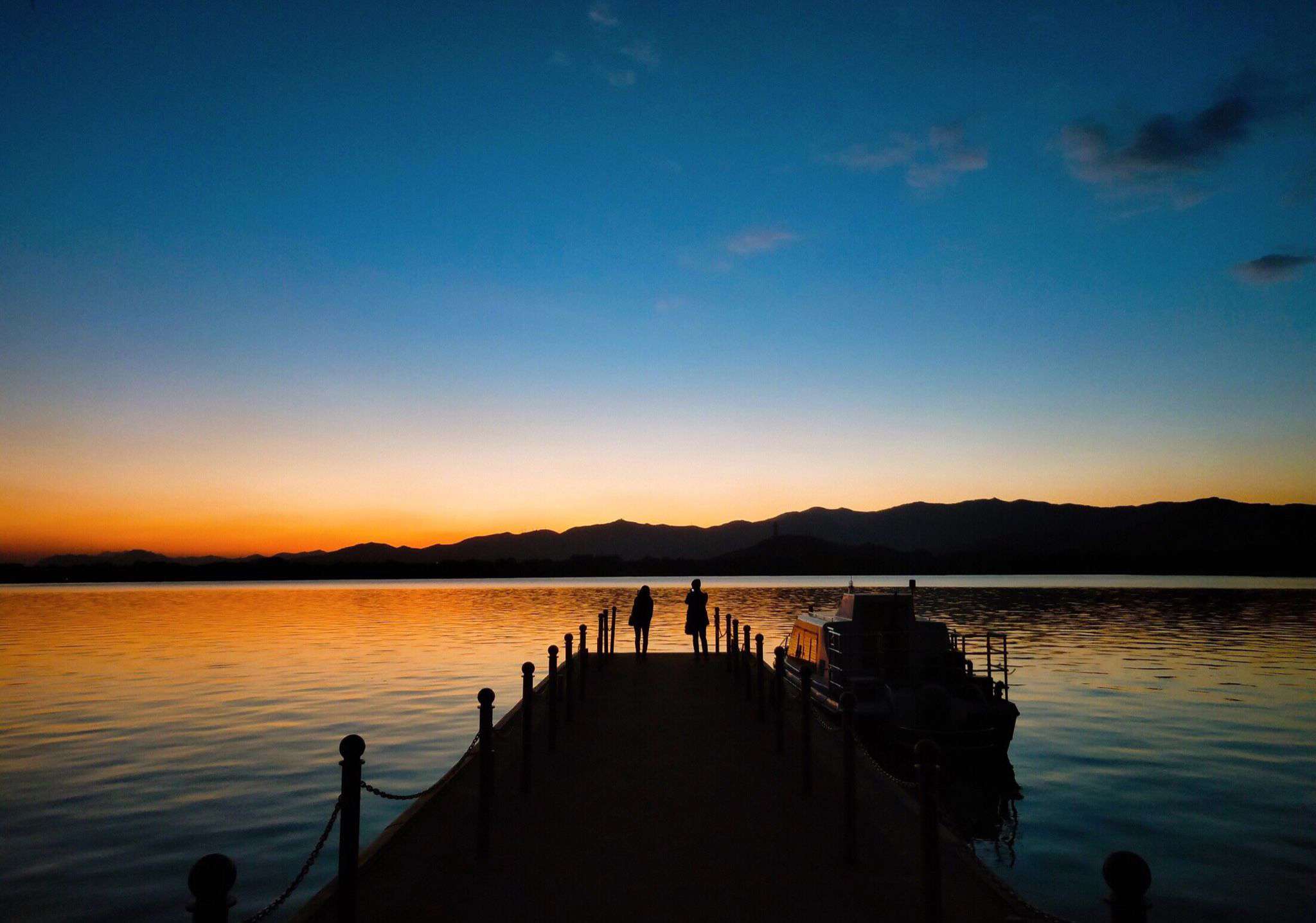
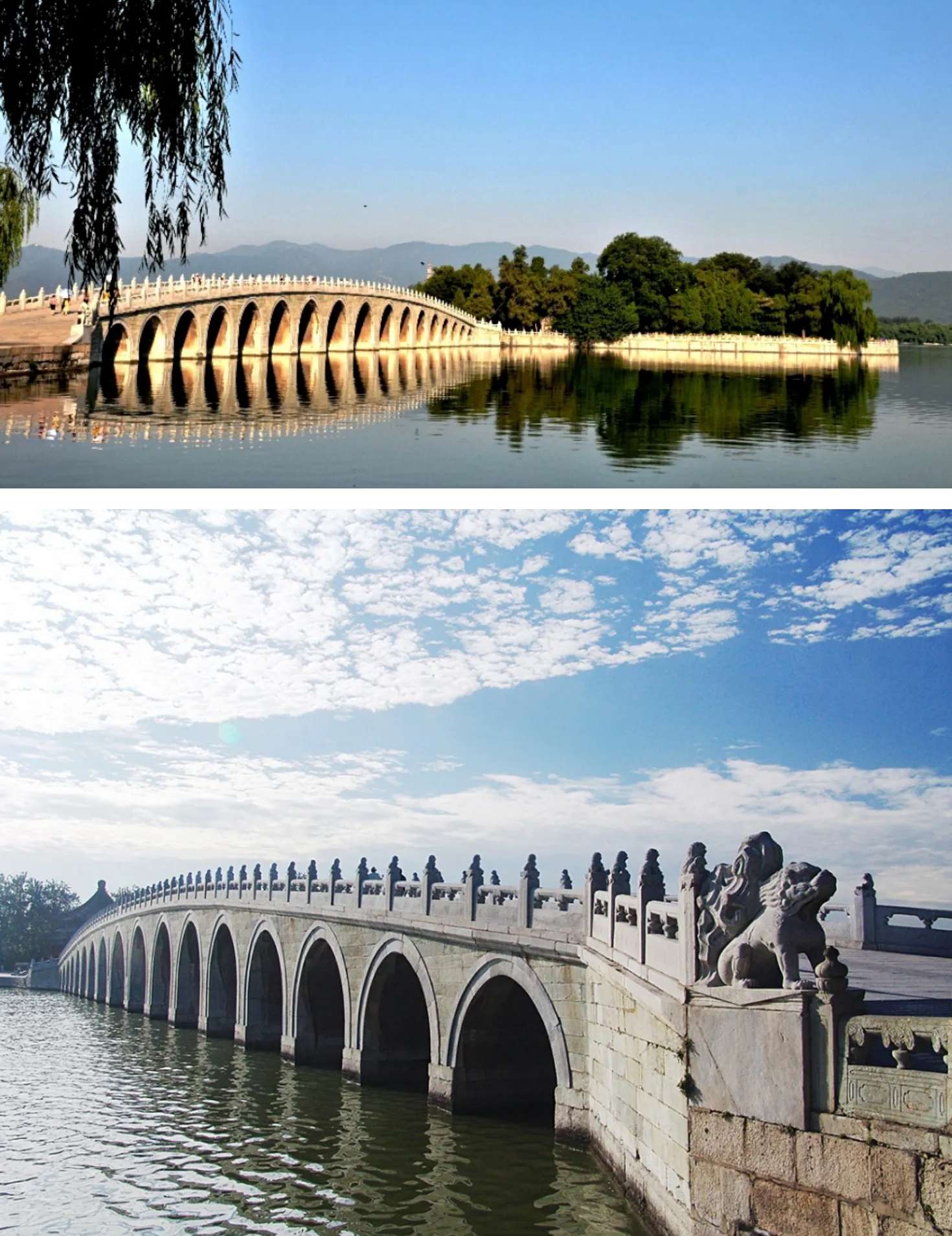
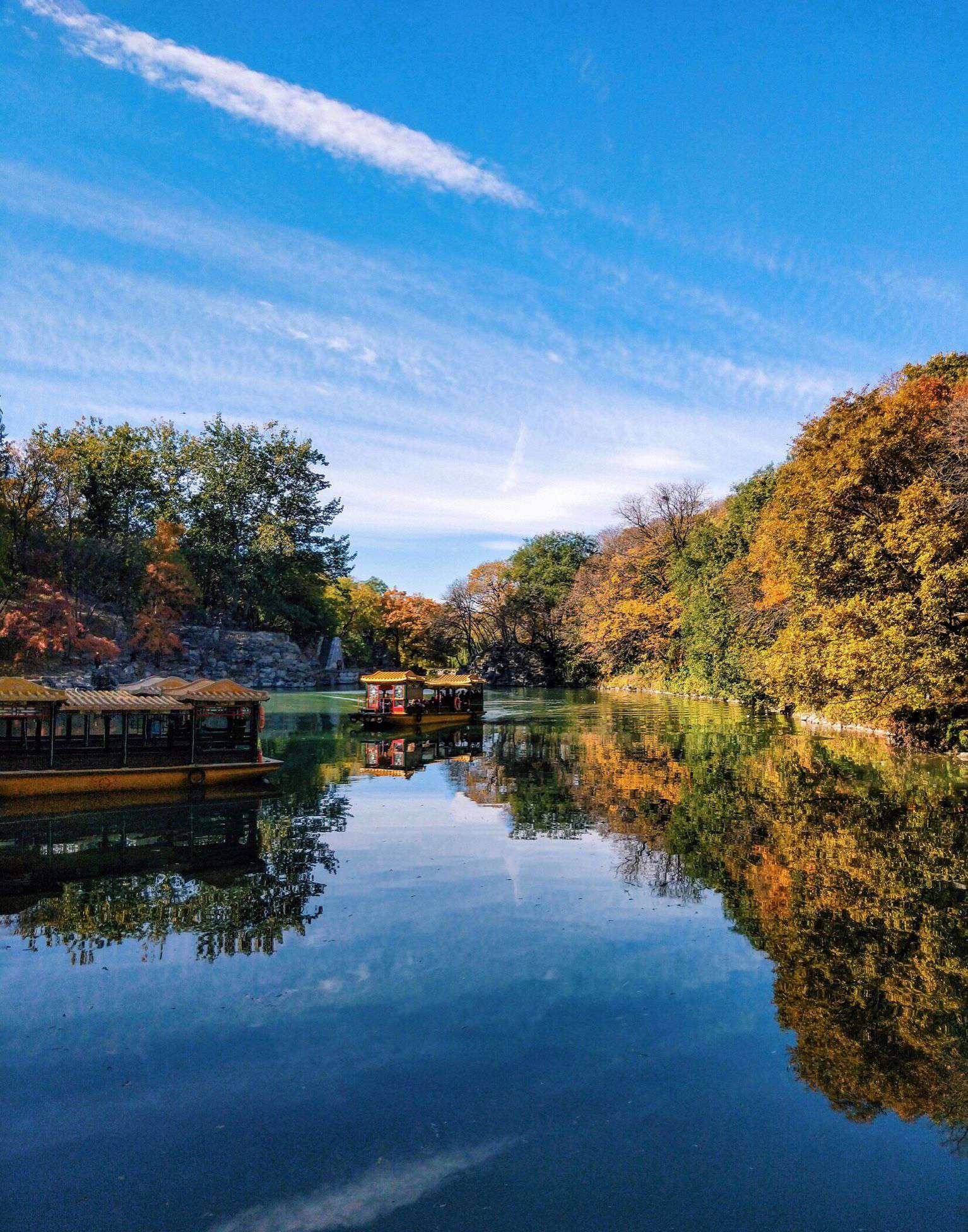
- Kunming Lake(昆明湖): Covering three-quarters of the Summer Palace’s area, Kunming Lake is a masterpiece of design. The iconic Seventeen-Arch Bridge(十七孔桥) links the shore to South Lake Island(南湖岛), offering postcard-perfect views. A stroll around the lake takes roughly two hours.
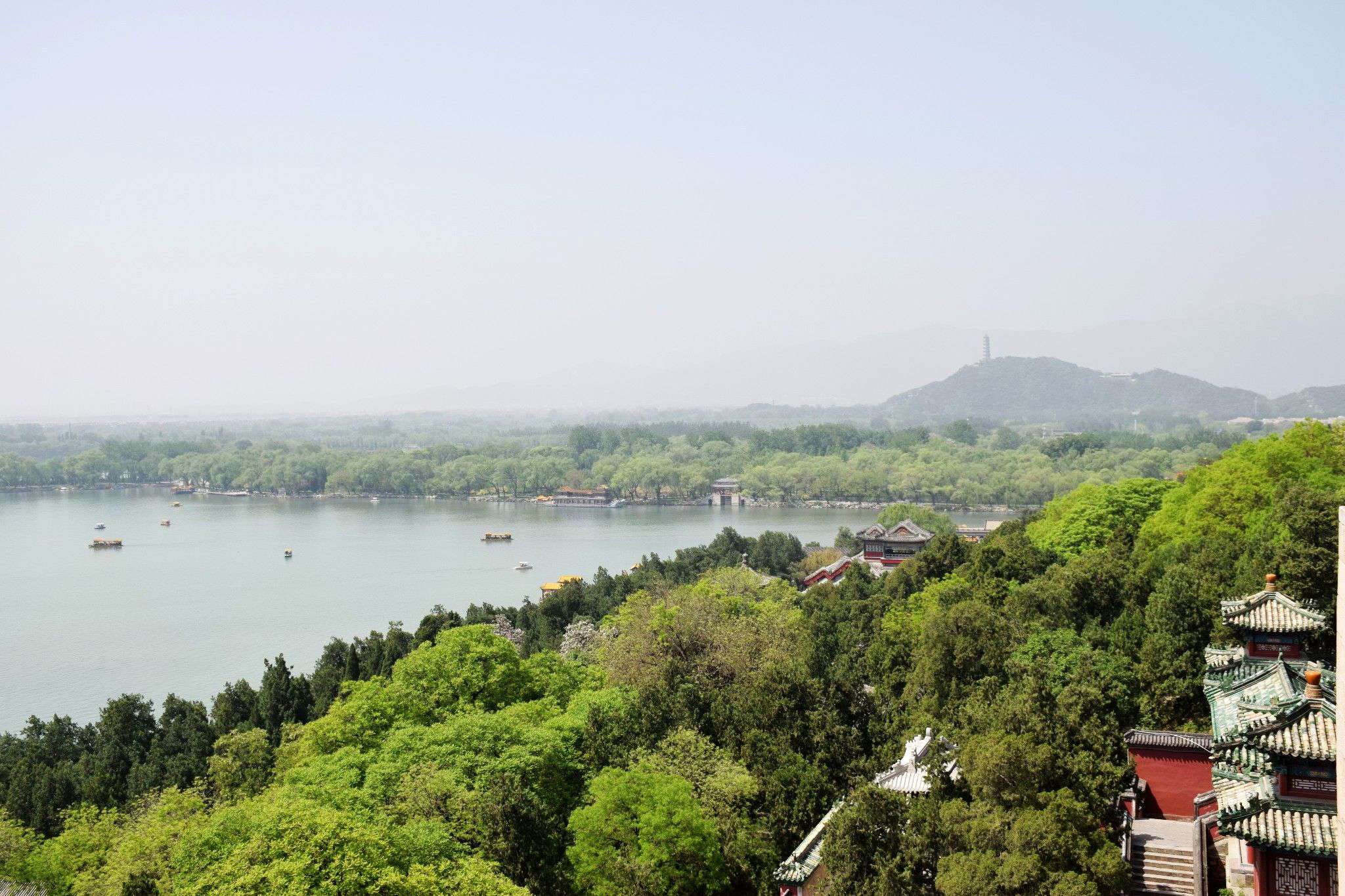
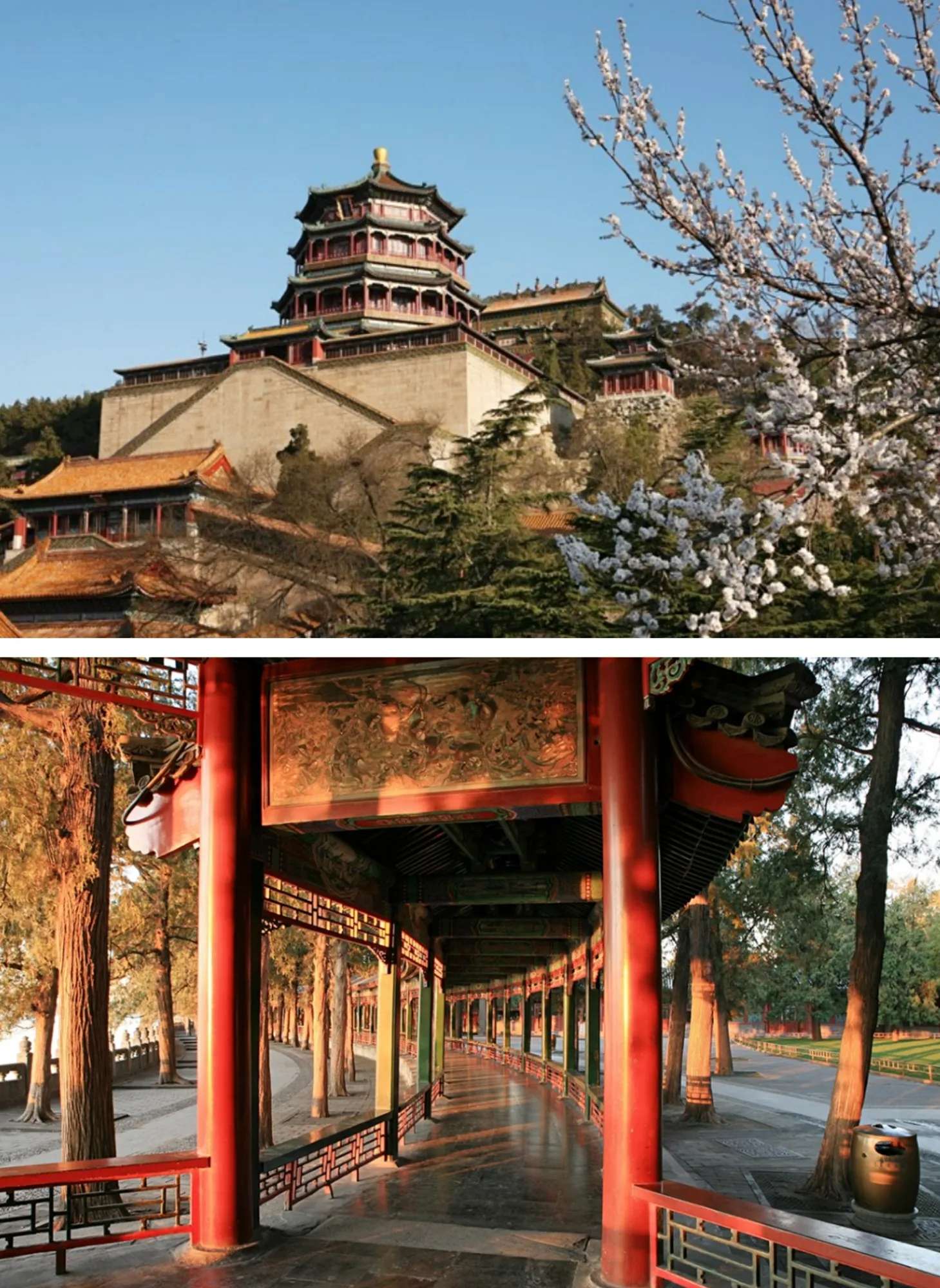
- Front Hill Area (Wanshou Hill 万寿山前山区): A must-visit zone full of landmarks. Starting at the Cloud Gate Arch (Yúnhuīyùyǔ 云辉玉宇), the pathway climbs through the Tower of Buddhist Incense (Fóxiānggé 佛香阁) and ends at the Wisdom Sea Pavilion(智慧海) at the hilltop.
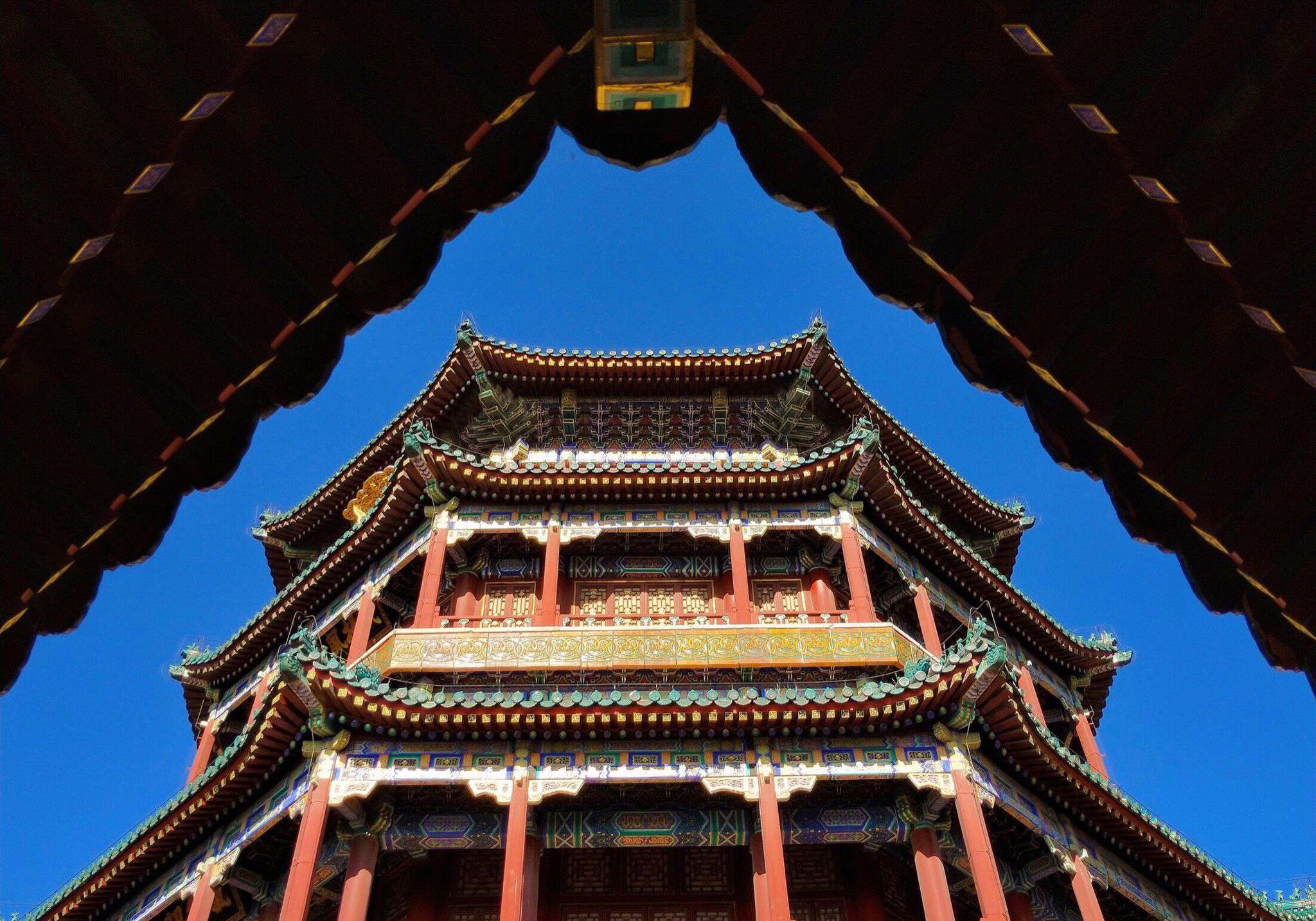
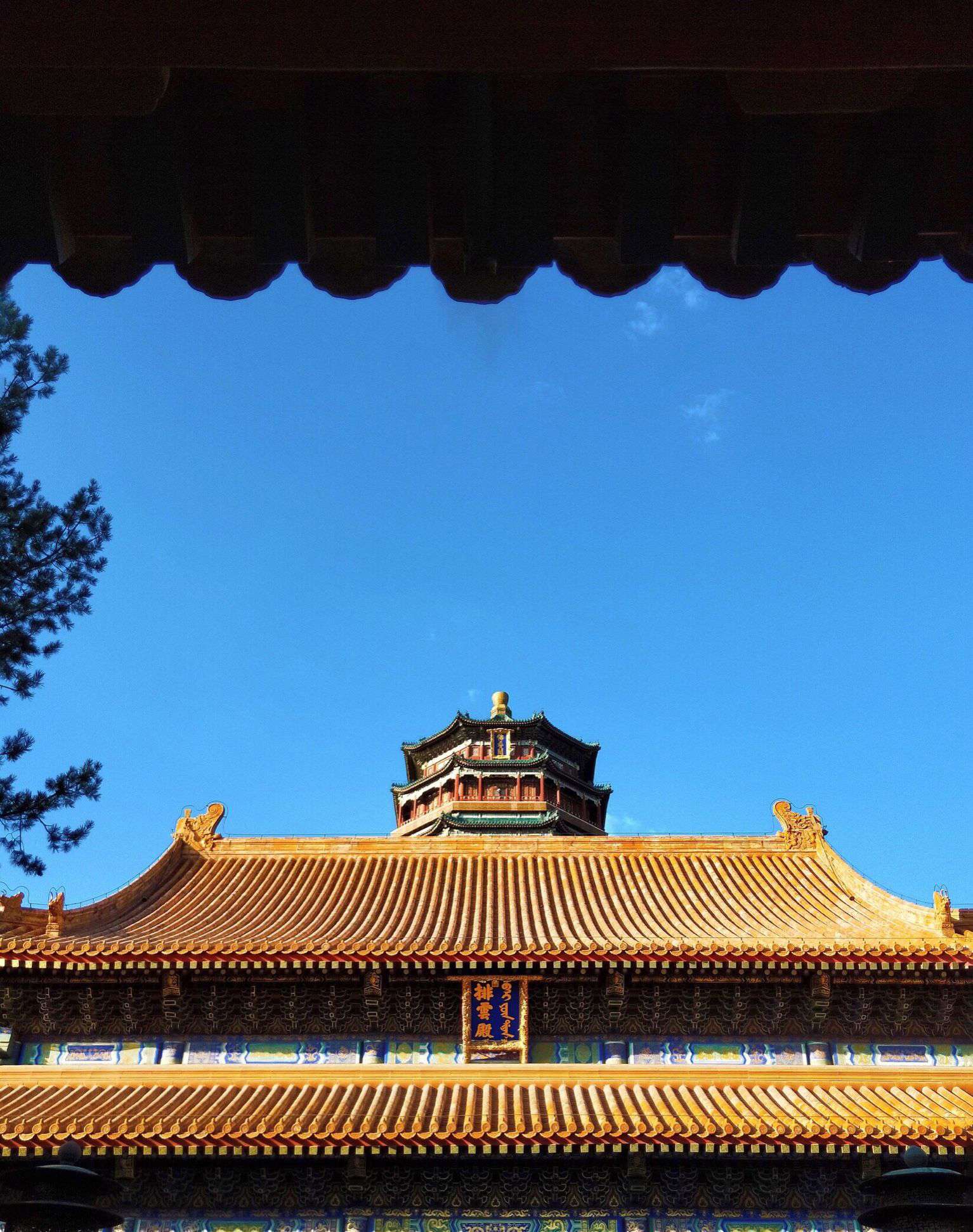
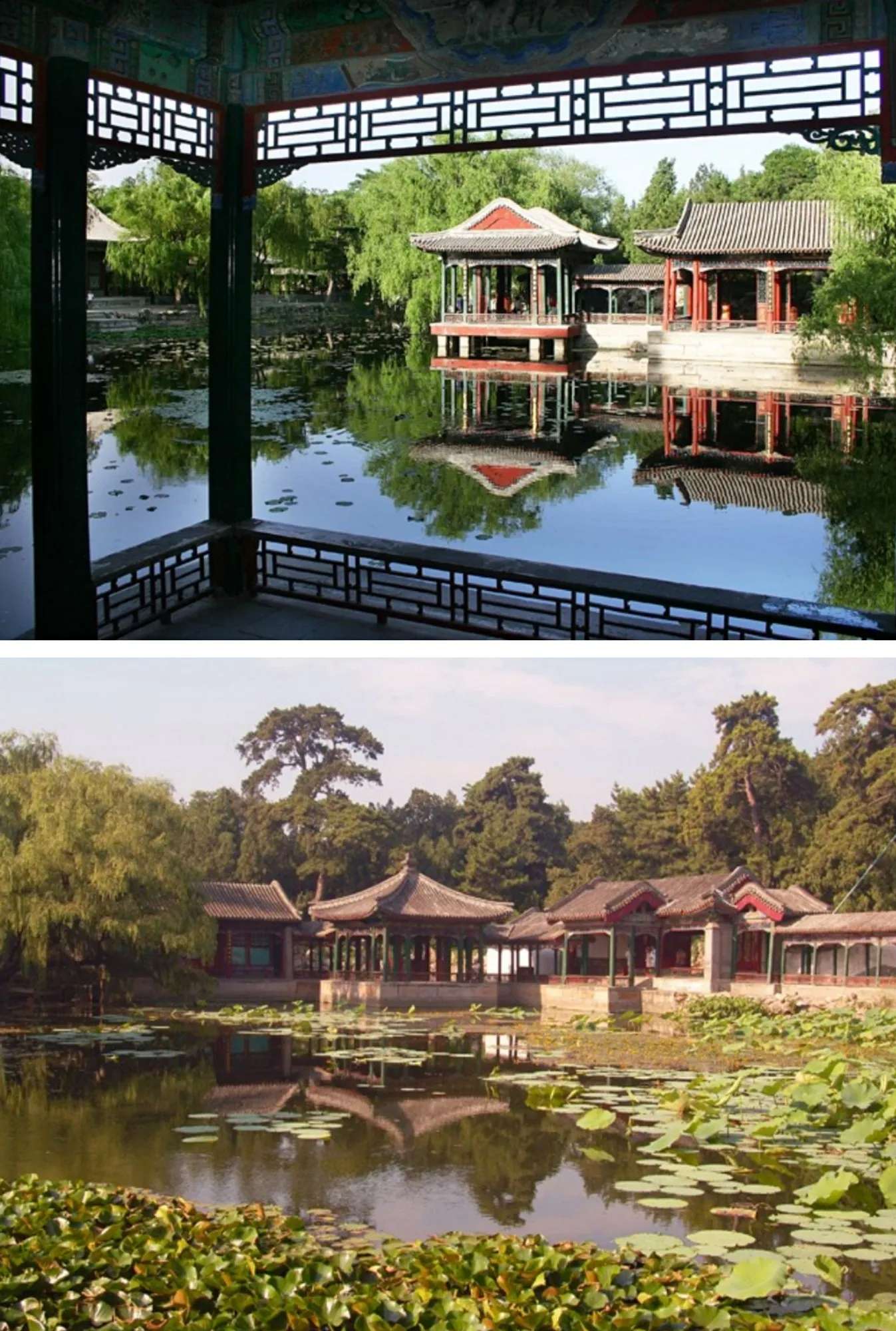
- Back Hill and Back Lake(后山后湖区): A peaceful escape. You’ll find Suzhou Street, a replica of a Jiangnan water town designed for royal shopping sprees, and the quirky Harmonious Interest Garden(谐趣园), a famed “garden within a garden(园中之园).”
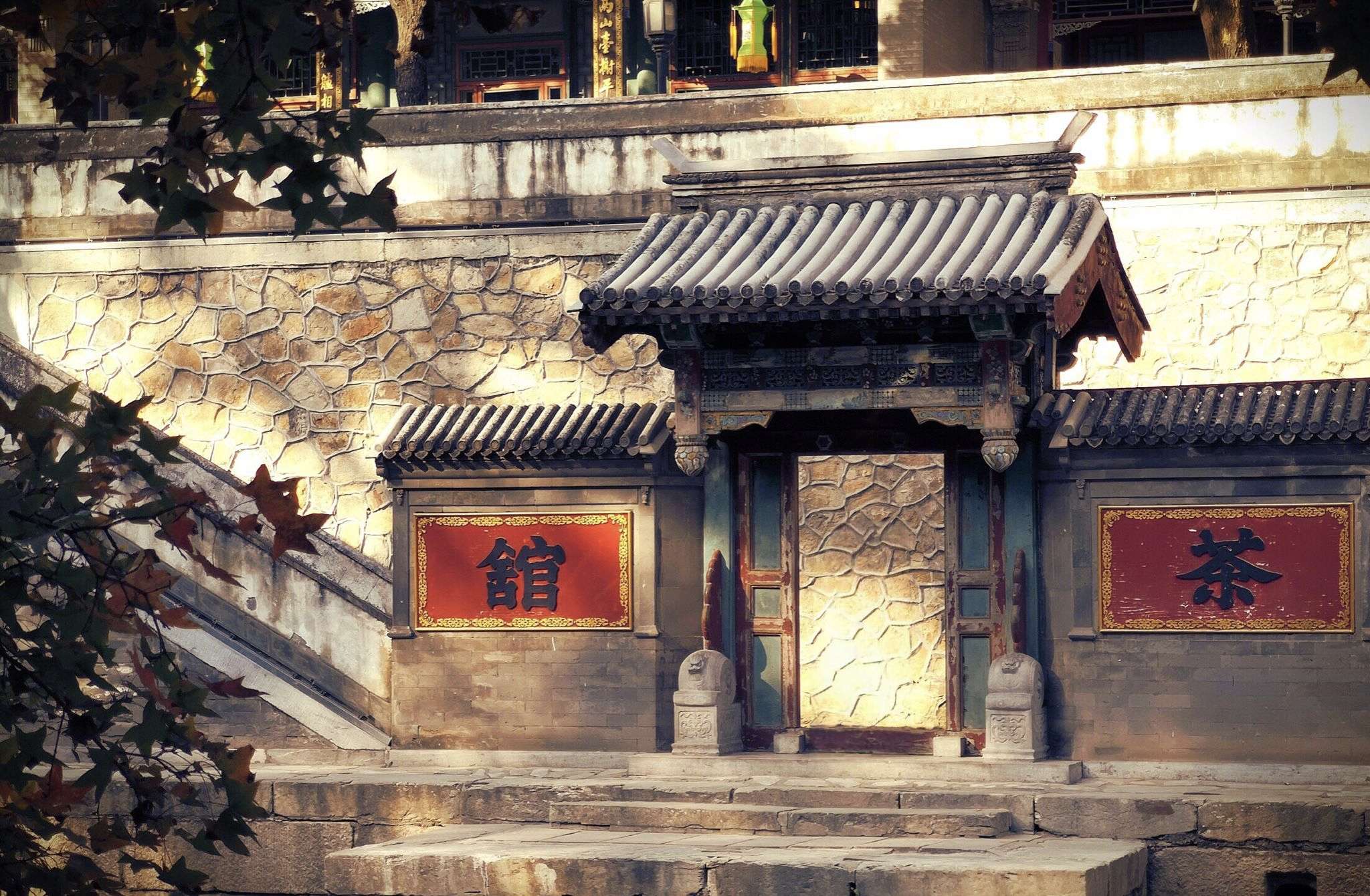
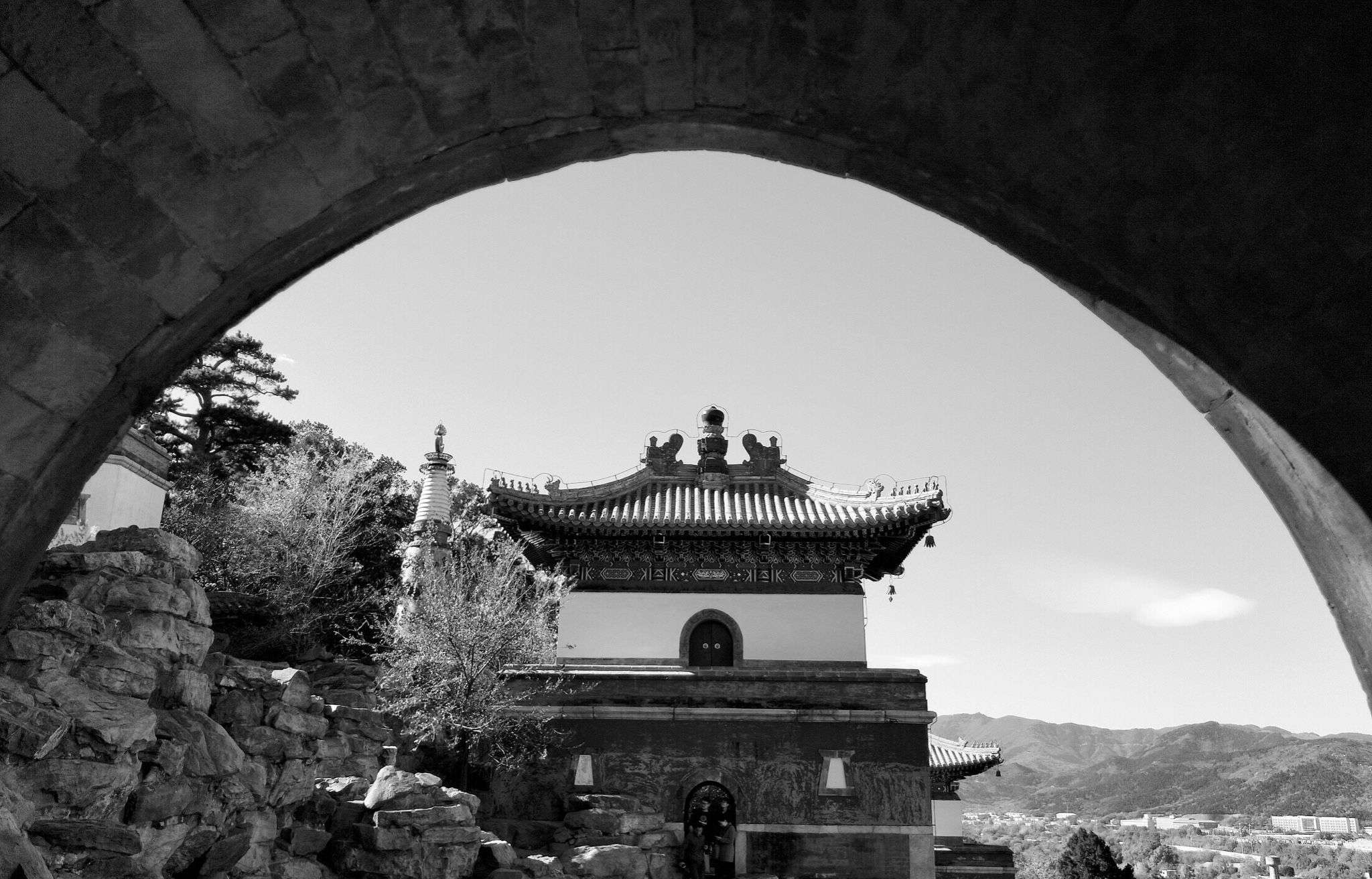
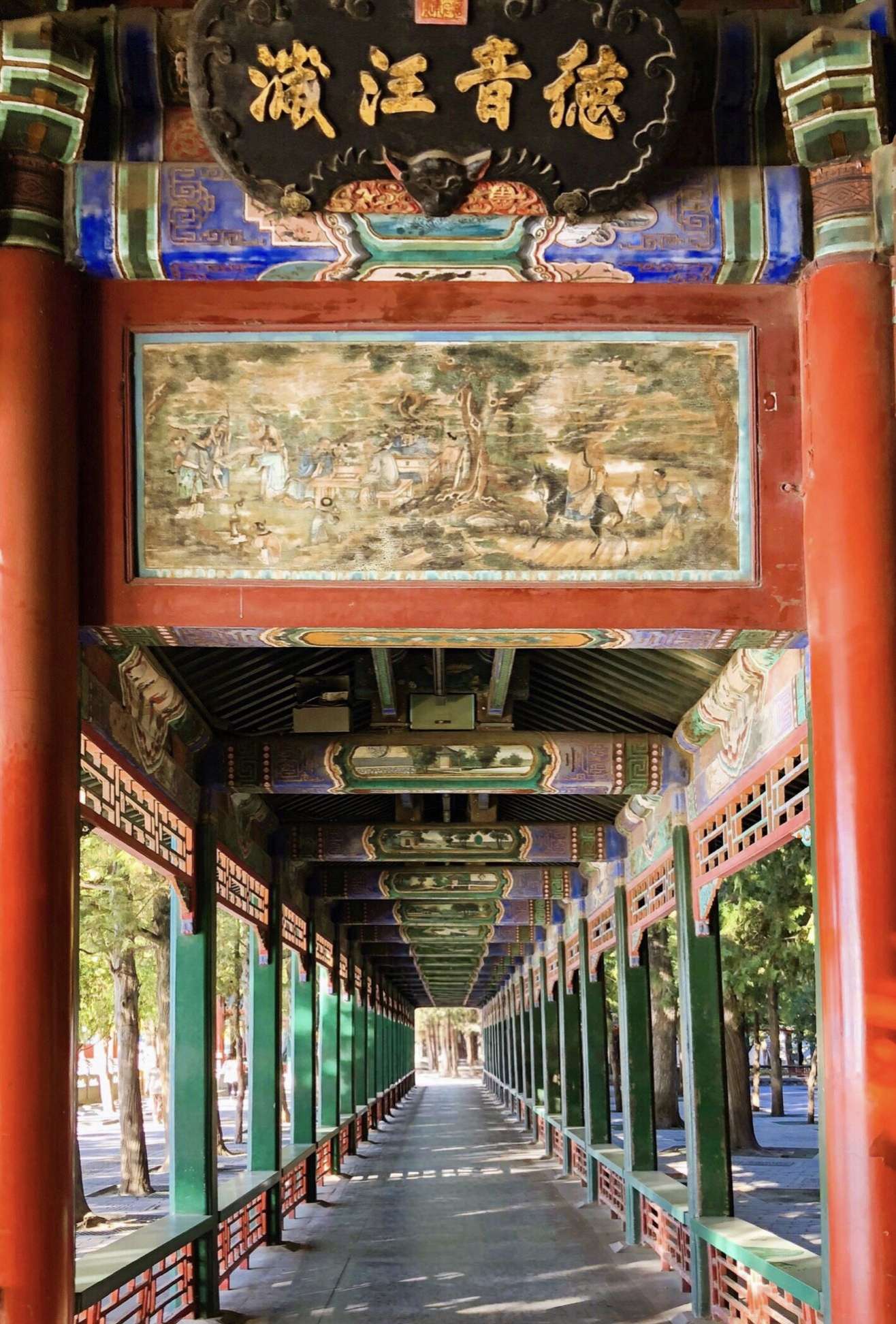
- The Long Corridor(长廊一线): The longest painted corridor in any Chinese garden, stretching along the base of Wanshou Hill(万寿山). It links pavilions and allows visitors to admire intricate paintings while enjoying lake views.
Recommended Tour Routes
- 2-Hour Route:North Palace Gate → Back Lake Area (Suzhou Street) → Front Hill Area (Tower of Buddhist Incense) → Court Area (Hall of Benevolence and Longevity) → East Palace Gate. This route perfect for tight schedules, this route covers essential highlights.Both gates are conveniently connected by the metro.
- 3-Hour Route: New Palace Gate → Seventeen-Arch Bridge → South Lake Island → Court Area → The Long Corridor → Front Hill Area → Back Hill and Suzhou Street → North Palace Gate. This route combines Kunming Lake’s beauty with the architectural grandeur of Wanshou Hill.
- Full-Day Tour: West Gate → West Dyke → South Ruyi Gate → Kunming Lake Boat Ride → Stone Boat → Front Hill Area → Back Hill (Suzhou Street) → Back Lake → Court Area → East Palace Gate. Ideal for a leisurely day, this route allows you to soak in nearly every corner of the palace.
Practical Information
- Address : 19 Xinjiangongmen Road, Haidian District.
- Getting There : North Gate: Take Metro Line 4 to Beigongmen Station. East Gate: Take Metro Line 4 to Xiyuan Station.
- Opening Hours : April–October: 6:30 AM–6:00 PM, November–March: 7:00 AM–5:00 PM
- Tickets : ¥30 (peak season), ¥20 (off-season)
- Booking : Reserve tickets via the “Yiheyuan(颐和园)” or “Changyou Park(畅游公园)” WeChat mini-programs in advance.
Read Next: For more Beijing outdoor experiences, don’t miss our guide to Beijing’s Must-Visit Highlights or learn about The Great Wall Near Beijing.
Yuánmíngyuán | The Ruins of China’s Garden of Gardens
Just east of the Summer Palace, a short walk from the North Gate, lies the Old Summer Palace (Yuánmíngyuán) — once the grandest imperial garden in China, celebrated as the “Garden of Gardens” in Europe.
From Imperial Splendor to Tragic Ruins
Construction began during the reign of Emperor Kangxi, who gifted the garden to his son, the future Emperor Yongzheng, and personally named it “Yuánmíngyuán” (Garden of Perfect Brightness). Under Emperor Qianlong, two additional gardens — Changchunyuan (长春园, Garden of Eternal Spring) and Wanchunyuan(万春园, Garden of Blossoming Spring) — were added, collectively known as the "Three Yuanming Gardens(圆明三园)."
The Old Summer Palace was unique in Chinese history, as it integrated elements of Western design into classical Chinese garden art. The Western-style mansions and fountains, collectively called the “Western Mansions” (西洋楼, Xīyánglóu), became a magnificent feature. However, this masterpiece of architecture and landscaping met a tragic fate. In 1860, the Anglo-French forces looted and burned the palace during the Second Opium War. Later, during the Boxer Rebellion in 1900, the palace was further destroyed by the Eight-Nation Alliance.
Today, the Old Summer Palace(Yuánmíngyuán) has been preserved as a Ruins Park, offering a glimpse into its former grandeur while standing as a stark symbol of its history.
Key Sights in Yuanmingyuan
- The Great Fountain (大水法 Dàshuǐfǎ) : Located in Changchunyuan, the Great Fountain was once the grand centerpiece of the Western Mansions. It is said that the fountain gushed like a flood when active, an engineering marvel at the time. Now, its broken columns and stone ruins stand as a haunting reminder of the palace’s tragic history.
- The Emperor’s Halls : Highlights include Jiǔzhōu Qīngyàn (the Emperor’s residence) , Qínzhèng Qīnxián Diàn (勤政亲贤殿, the hall where the Emperor met with ministers), and Zhèngdà Guāngmíng Diàn (正大光明殿, where grand banquets and imperial exams were held).
Recommended Tour Routes
- By Shuttle Bus (Approx. 2 Hours): South Gate → Qichun Garden → Shuttle through the central areas → Highlights include Dòngtiān Shēnchù (Deep Caves), Qínzhèng Qīnxián Hall, Zhèngdà Guāngmíng Hall, Changchun Pavilion, and Wényuán Pavilion → Xīyuán → Exit at the Second Palace Gate
- Walking Route (Approx. 2.5 Hours): Zhèngjué Temple (Horse Head Exhibit) → Chūnzézhāi → 101 Bridge → Dòngtiān Shēnchù → Qínzhèng Qīnxián → Jiǔzhōu Area → Wànfāng Ānhé → Yuèdì Yúnjū → Zǎoyuán Gate
Practical Information
- Address: 28 Qinghua West Road, Haidian District
- Getting There: Take Metro Line 4 to Yuánmíngyuán Station.
- Opening Hours:Peak Season (April–October): 7:00 AM–9:00 PM. Off-Season (November–March): 7:00 AM–5:30 PM
- Tickets: ¥10
Fragrant Hills Park | Autumn’s Sea of Crimson Leaves
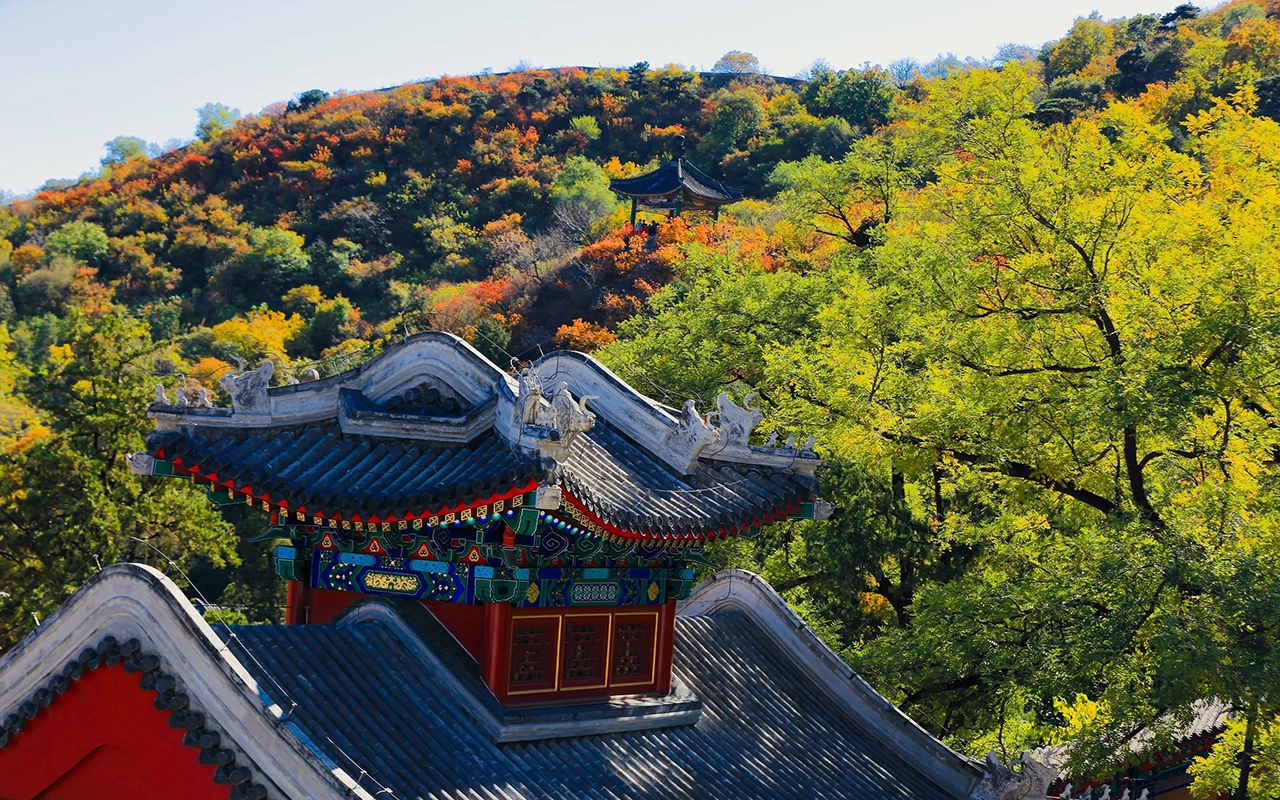
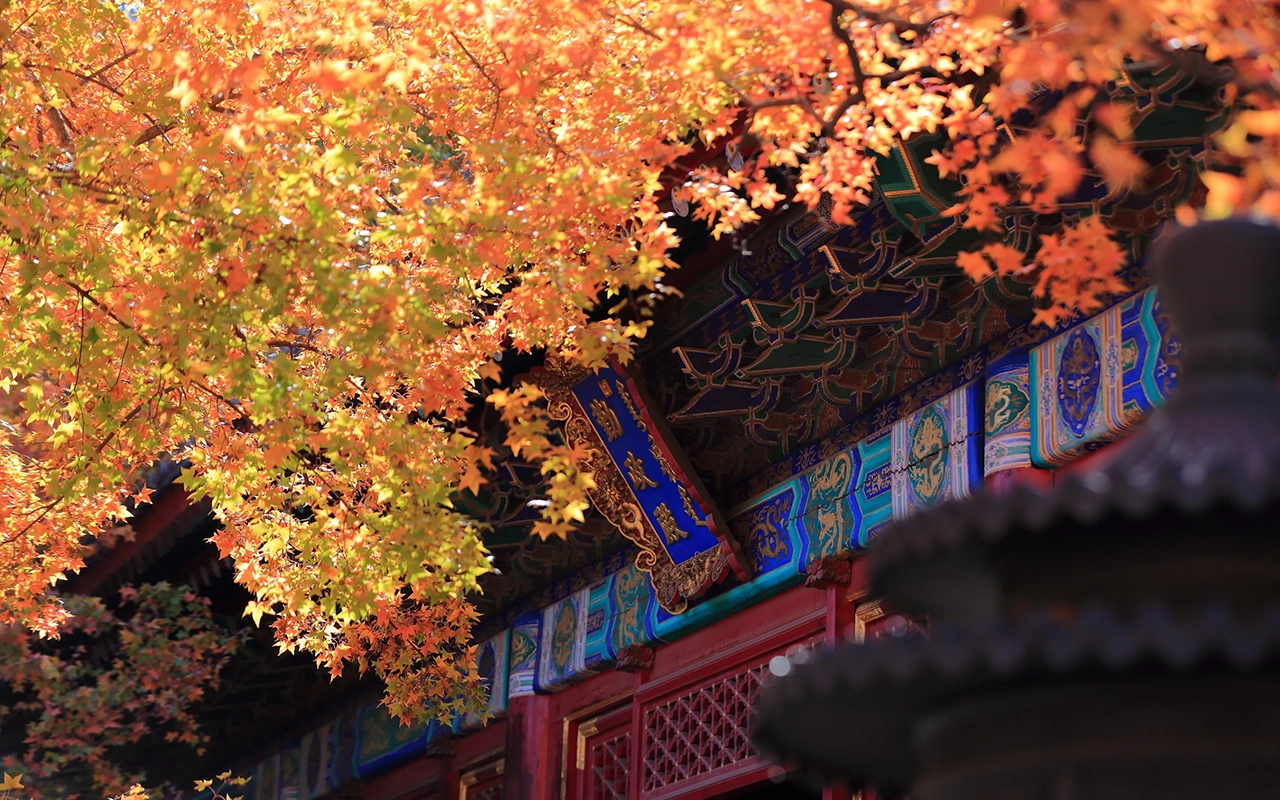
Nestled in the northwest outskirts of Beijing, Fragrant Hills Park (Xiāngshān Gōngyuán) is famed for its stunning autumn foliage. Historically part of the imperial garden Jingyiyuan(静宜园), this expansive park combines royal heritage, ancient temples, and scenic mountain views, making it a must-visit during fall.
The original Jingyiyuan(静宜园) was a Qing Dynasty imperial retreat built on the slopes of the Fragrant Hills. The complex was divided into three parts: the Inner, Outer, and Northern sections. The Inner Section housed royal residences alongside two prominent temples — Xiāngshān Temple(香山寺) and Hóngguāng Temple(洪光寺). The Outer Section features steep hills perfect for hiking and leaf-peeping, while the Northern Section is home to the peaceful Yǎnjìng Lake(眼镜湖).
Key Highlights
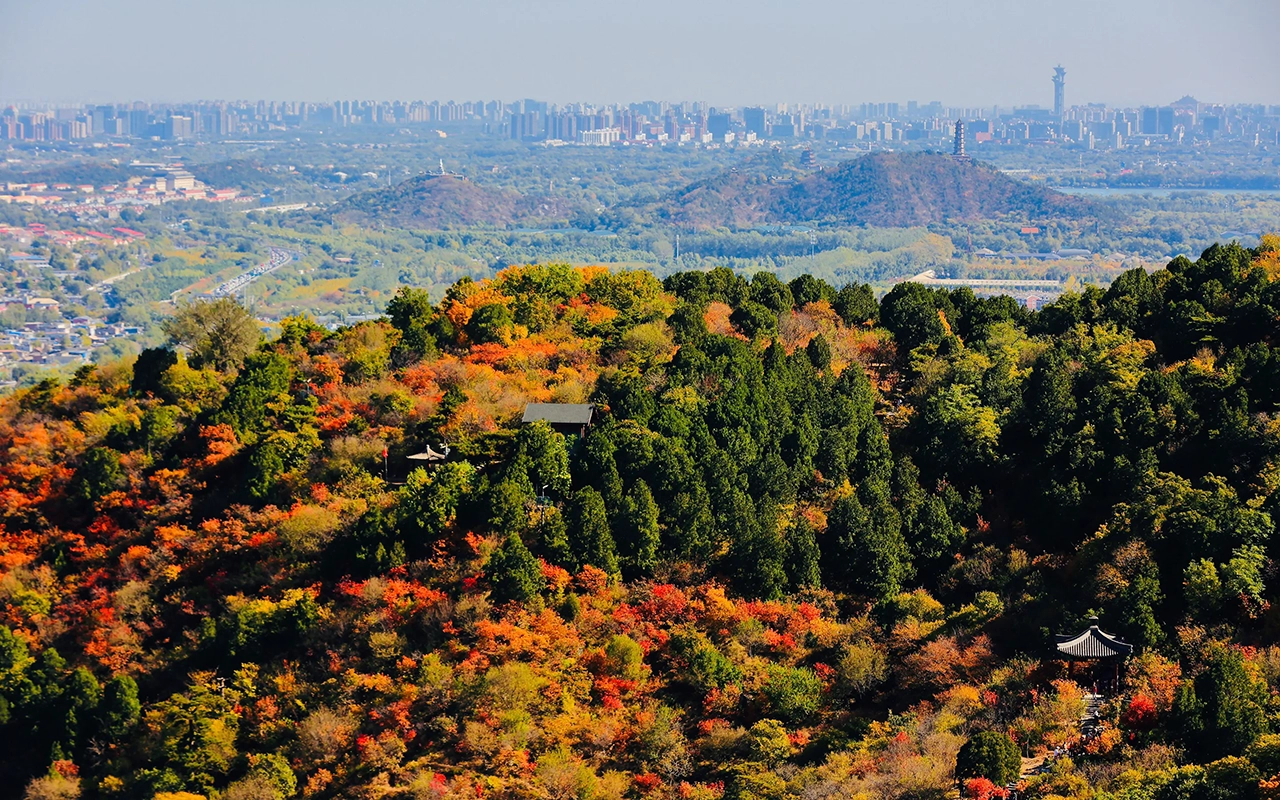
- Incense Burner Peak (Xiānglú Fēng, 香炉峰): The park’s highest summit, Incense Burner Peak, is named for two massive rocks at its crest, which resemble an incense burner. In the past, the steep and rugged climb earned it the nickname “Ghost Fear” for its difficulty. Today, visitors can enjoy a stress-free journey to the top via cable car and soak in panoramic views of Beijing from Chóngyáng Pavilion(重阳阁).
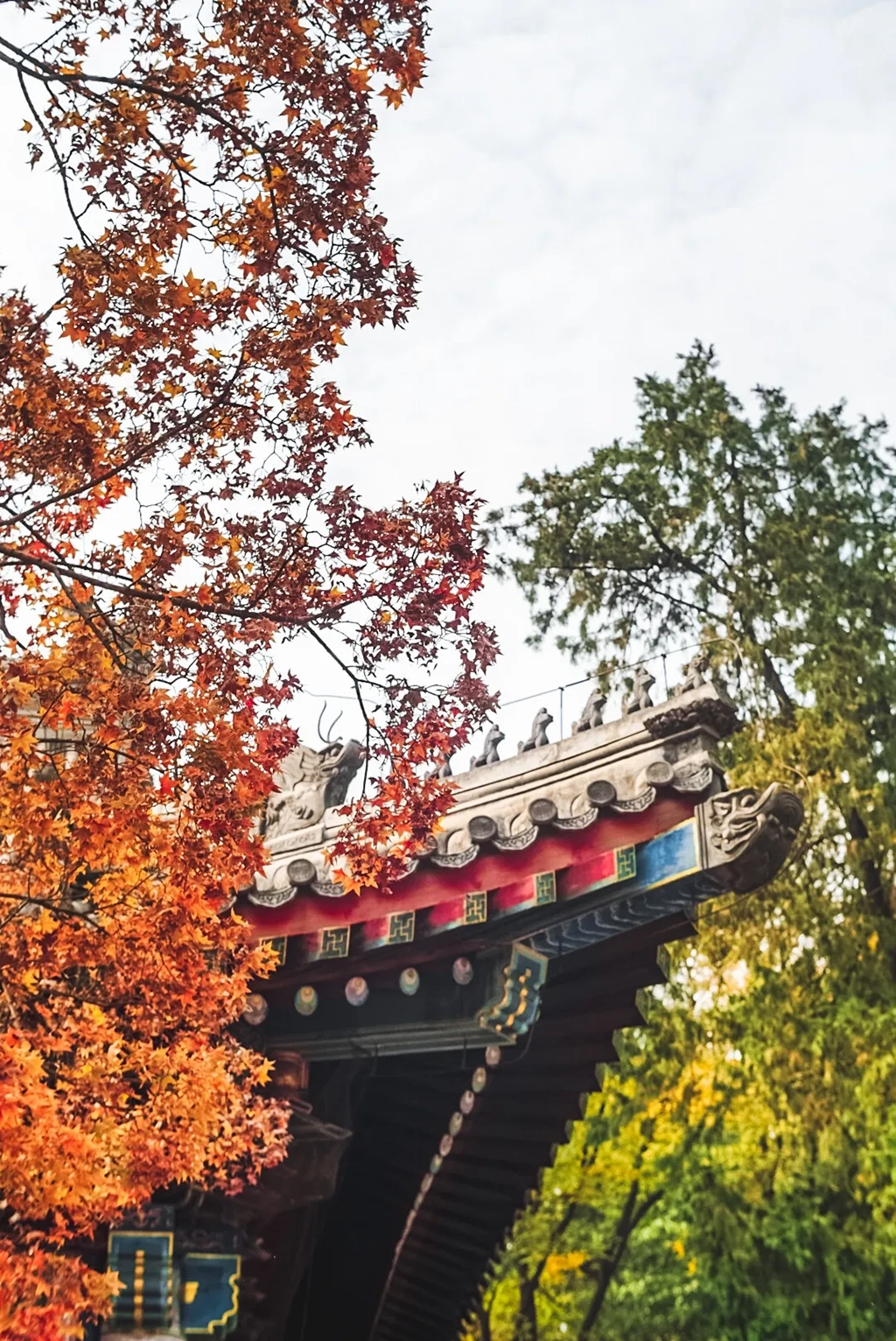
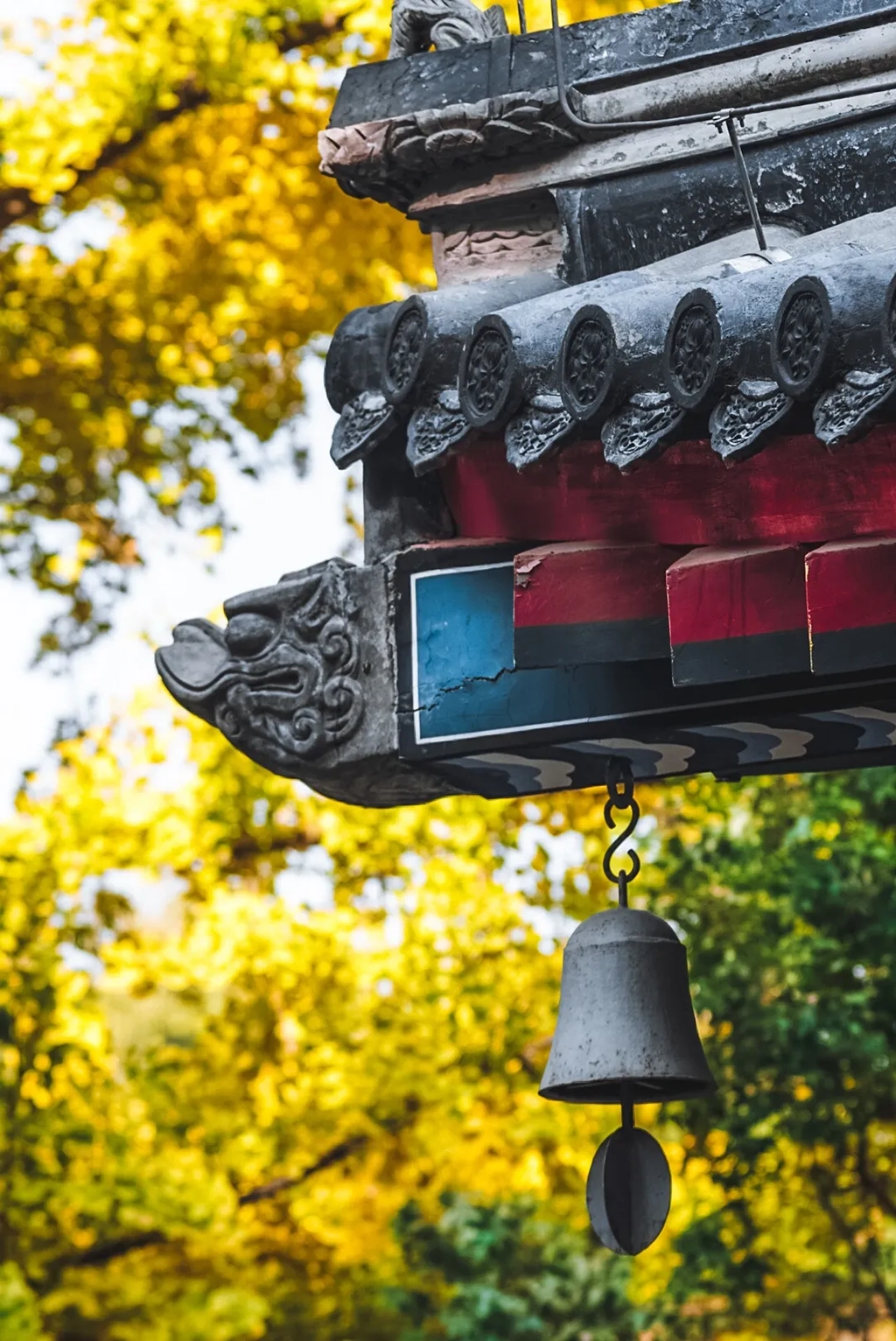
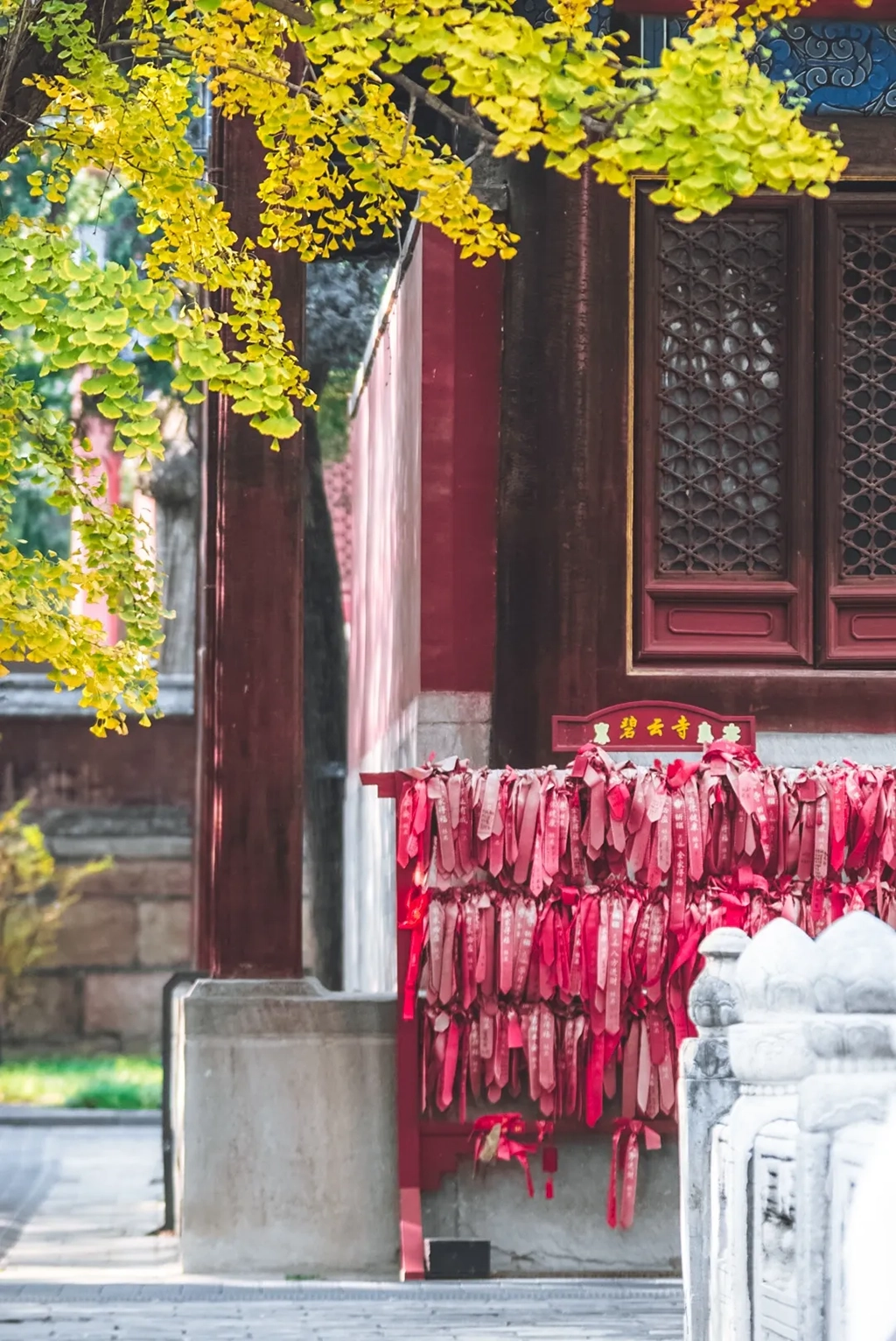
- Bìyún Temple(碧云寺) : Built along the mountain slopes, Bìyún Temple features architecture inspired by both Ming and Qing dynasties. Its grand halls and serene atmosphere ascend with the terrain, offering breathtaking mountain temple views.
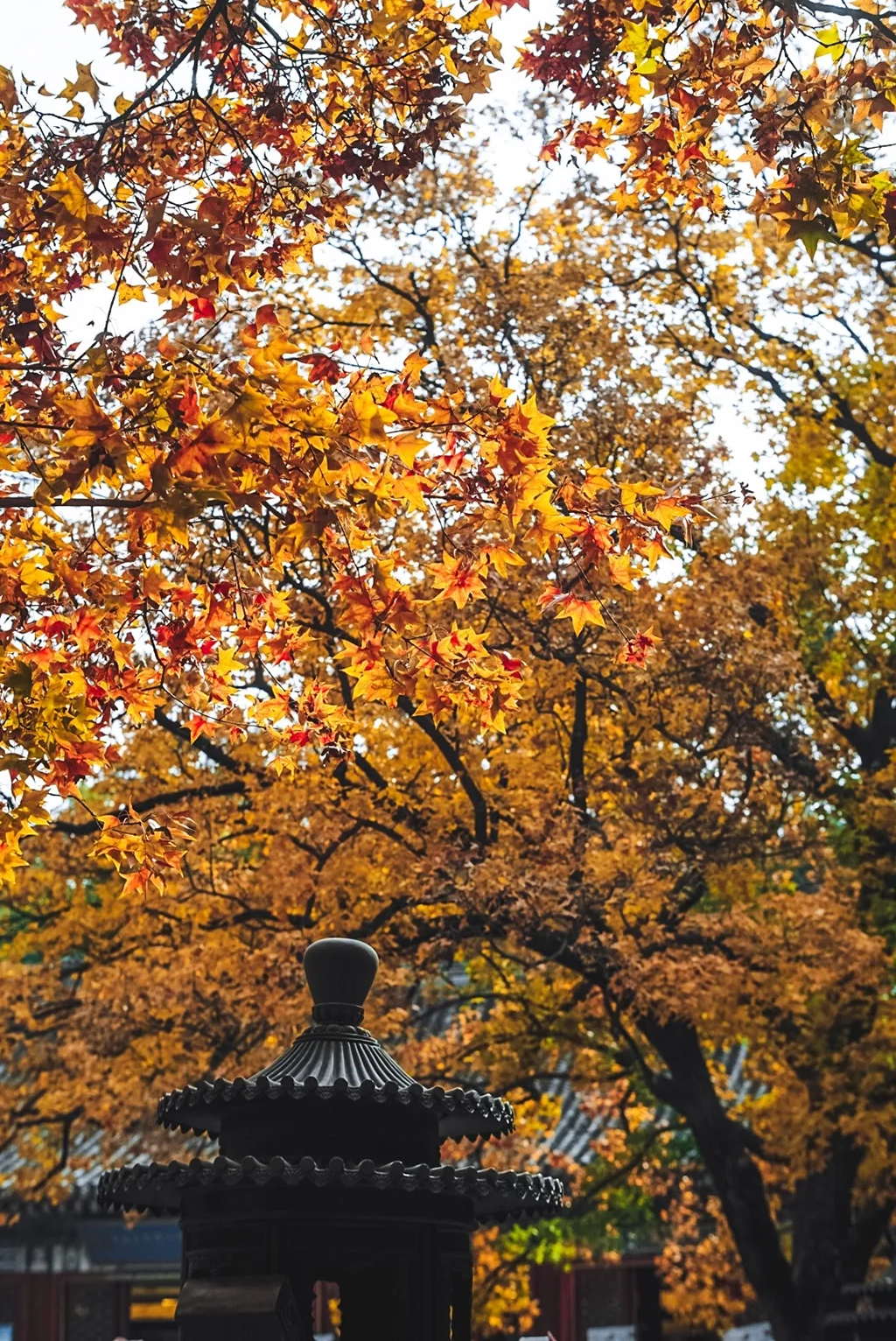
- The Famous Red Leaves : Autumn is undoubtedly the best time to visit Fragrant Hills Park. Since the Jin Dynasty, scholars and poets have praised the fiery red foliage of the park. By late fall, swathes of smoketrees and maples transform into vibrant reds, yellows, and greens, creating a colorful tapestry across the hillsides.
Tips : The park is extremely popular during autumn, and long queues are common for the cable car. To beat the crowds, aim to arrive early and visit during off-peak hours.
Practical Information
- Address: 40 Xiangshan Maimai Street, Haidian District
- Opening Hours: 6:00 AM–6:00 PM
- Tickets: ¥5
- Reservation: Book tickets in advance via the “Fragrant Hills Park Service(香山公园服务号)” or “Changyou Parks(畅游公园)” WeChat accounts.
Beijing Botanical Garden | A Floral Paradise at the Mountain’s Foot
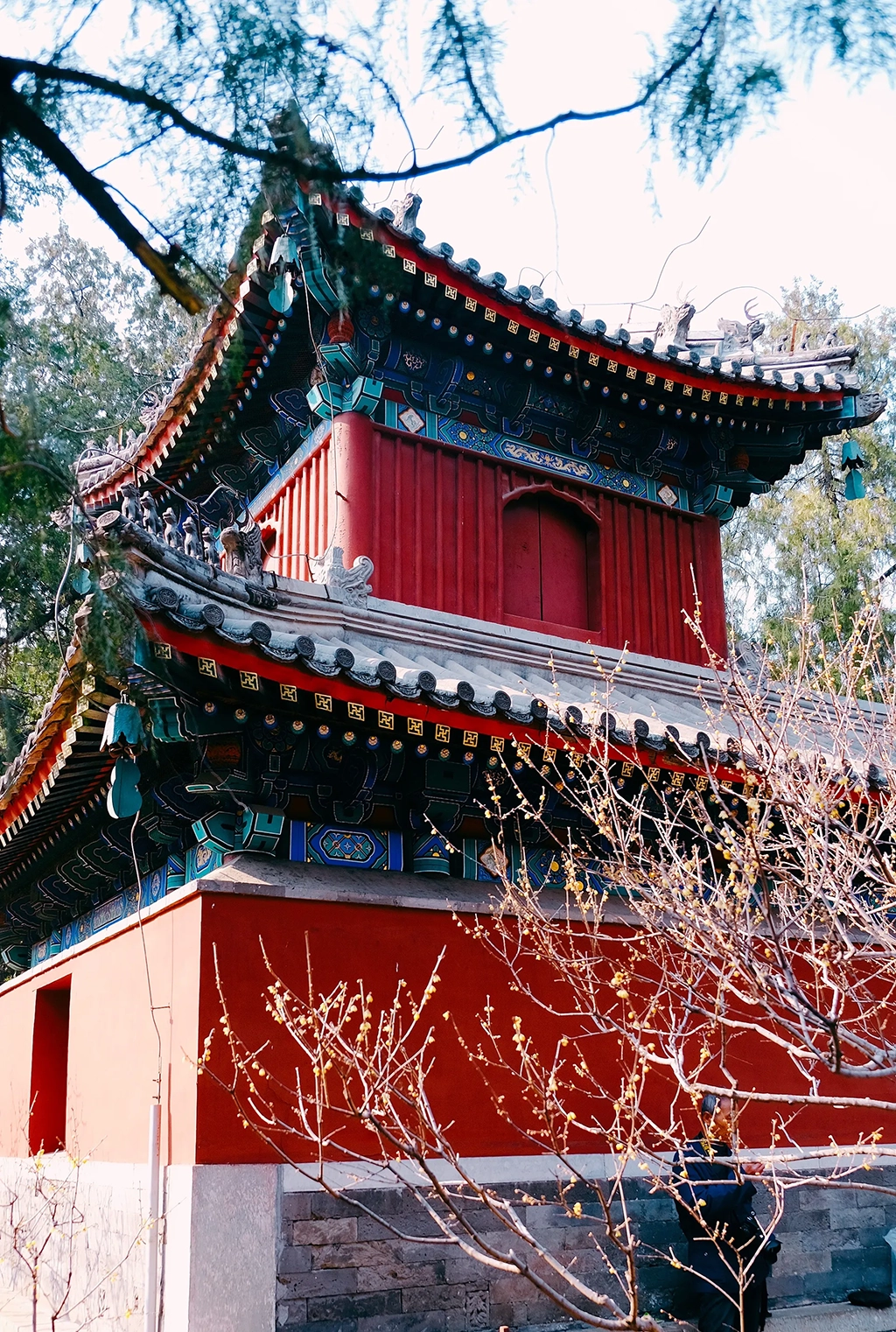
After exploring Fragrant Hills, many visitors make their way to the Beijing Botanical Garden , a perfect spot for flower lovers and nature enthusiasts alike. Spread across the foothills, this expansive garden features three main sections: the Plant Exhibition Zone , the Tropical Greenhouse , and the Historical Sites Zone.
Seasonal Flower Festivals
- The Plant Exhibition Zone: This area bursts with seasonal blooms and lush greenery year-round. Whether it’s strolling beneath flowering trees in spring or admiring vibrant autumn foliage, it’s a haven for photographers and nature enthusiasts.
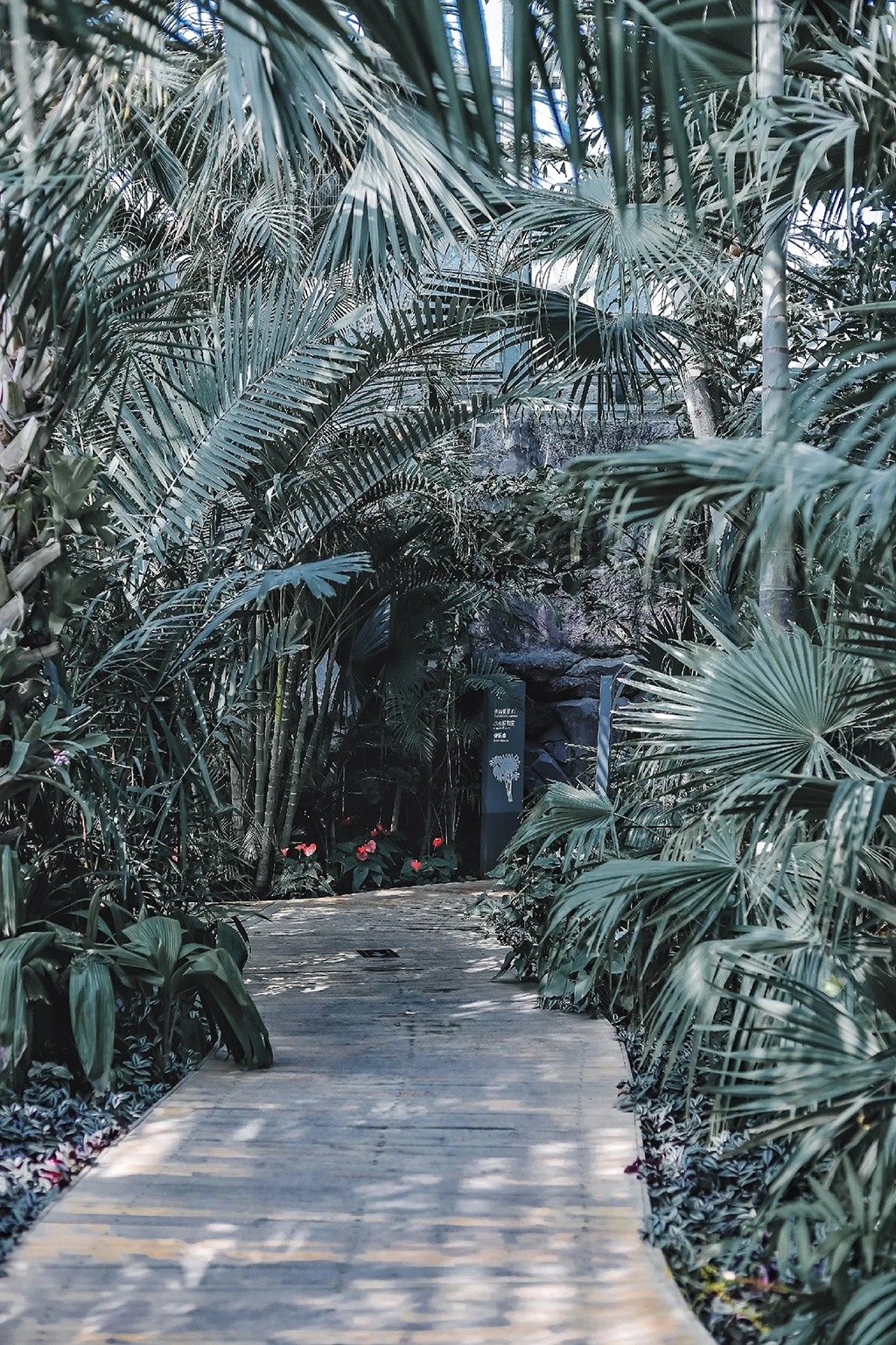
- The Tropical Greenhouse: The greenhouse houses a variety of exotic plants, with the Desert Plants Zone being a particular favorite among young visitors. Its unique cacti, succulents, and dramatic desert landscapes have made it a popular “Instagram hotspot.”
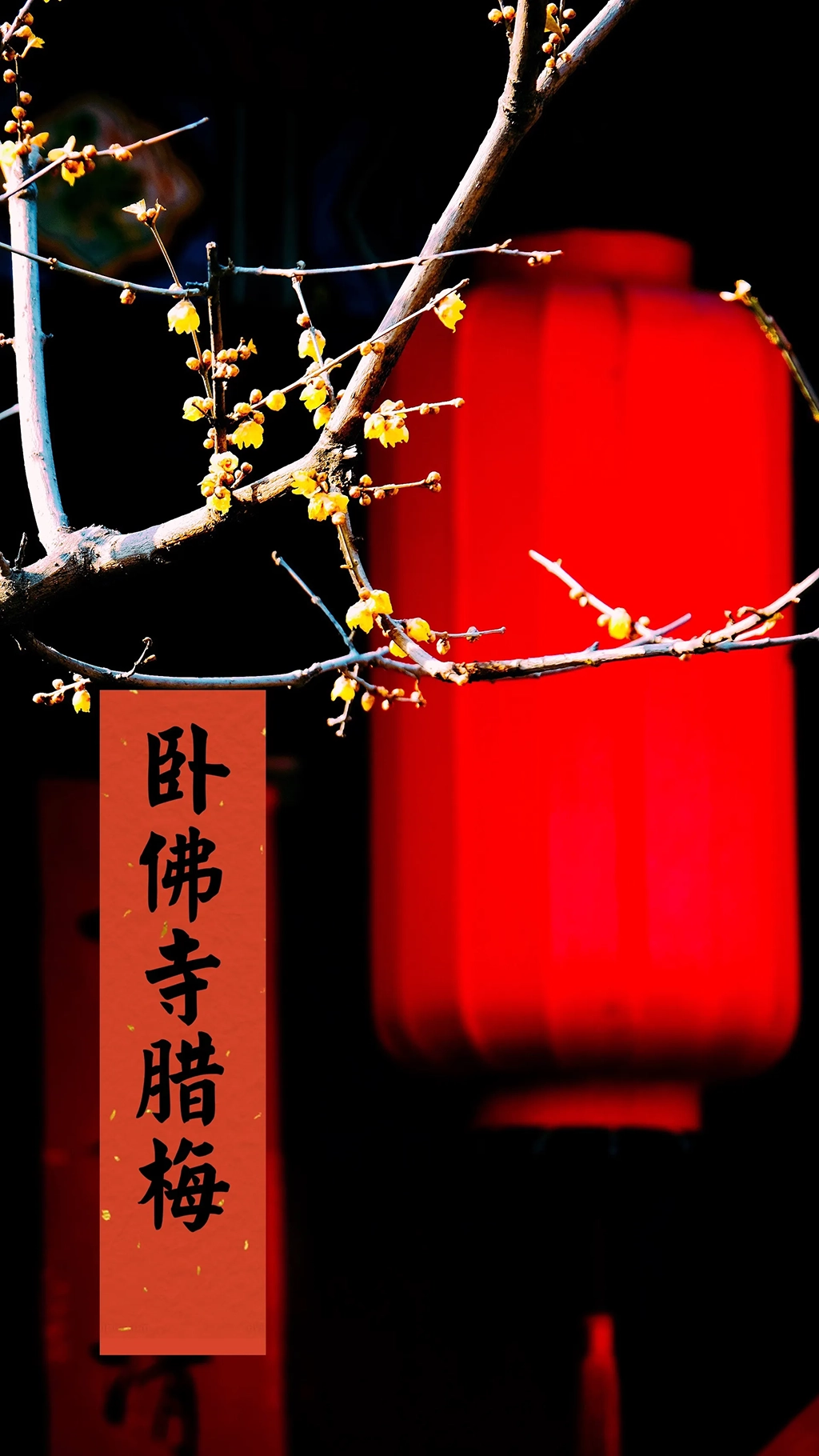
- Historical and Cultural Gems: The garden is also home to significant cultural landmarks, such as the Cáo Xuěqín Memorial Hall(曹雪芹纪念馆) , dedicated to the famed author of Dream of the Red Chamber, and the ancient Wofo Temple (卧佛寺,Temple of the Reclining Buddha).
Highlights of the Garden
The Beijing Botanical Garden hosts spectacular flower festivals throughout the year, drawing visitors from near and far:
- Winter (February) : Blooming wintersweets
- Spring (March) : A sea of peach blossoms
- Autumn : The vibrant hues of chrysanthemums
- Tips : Check the blooming schedule on the official Beijing Botanical Garden website before your visit to catch the flowers in their prime!
Practical Information
- Address : Wofosi Road, Xiangshan, Haidian District
- Opening Hours : Summer: 6:00 AM–7:00 PM, Winter: 7:00 AM–5:00 PM, Closed on Mondays
- Tickets : ¥5 per person
- Reservation : Book tickets via the “Changyou Parks”(畅游公园) WeChat account.