There’s a saying in China: Every Chinese person should visit Beijing at least once in their lifetime.
As the capital and the largest city in northern China, Beijing is steeped in history and cultural significance. It’s a city of grandeur and emotion, one that captivates the hearts of millions. If you’re visiting Beijing, these Beijing’s Must-Visit Highlights should definitely be on your list.
As the capital and the largest city in northern China, Beijing is steeped in history and cultural significance. It’s a city of grandeur and emotion, one that captivates the hearts of millions. If you’re visiting Beijing, these Beijing’s Must-Visit Highlights should definitely be on your list.
Tiananmen Square | A Symbol of National Pride
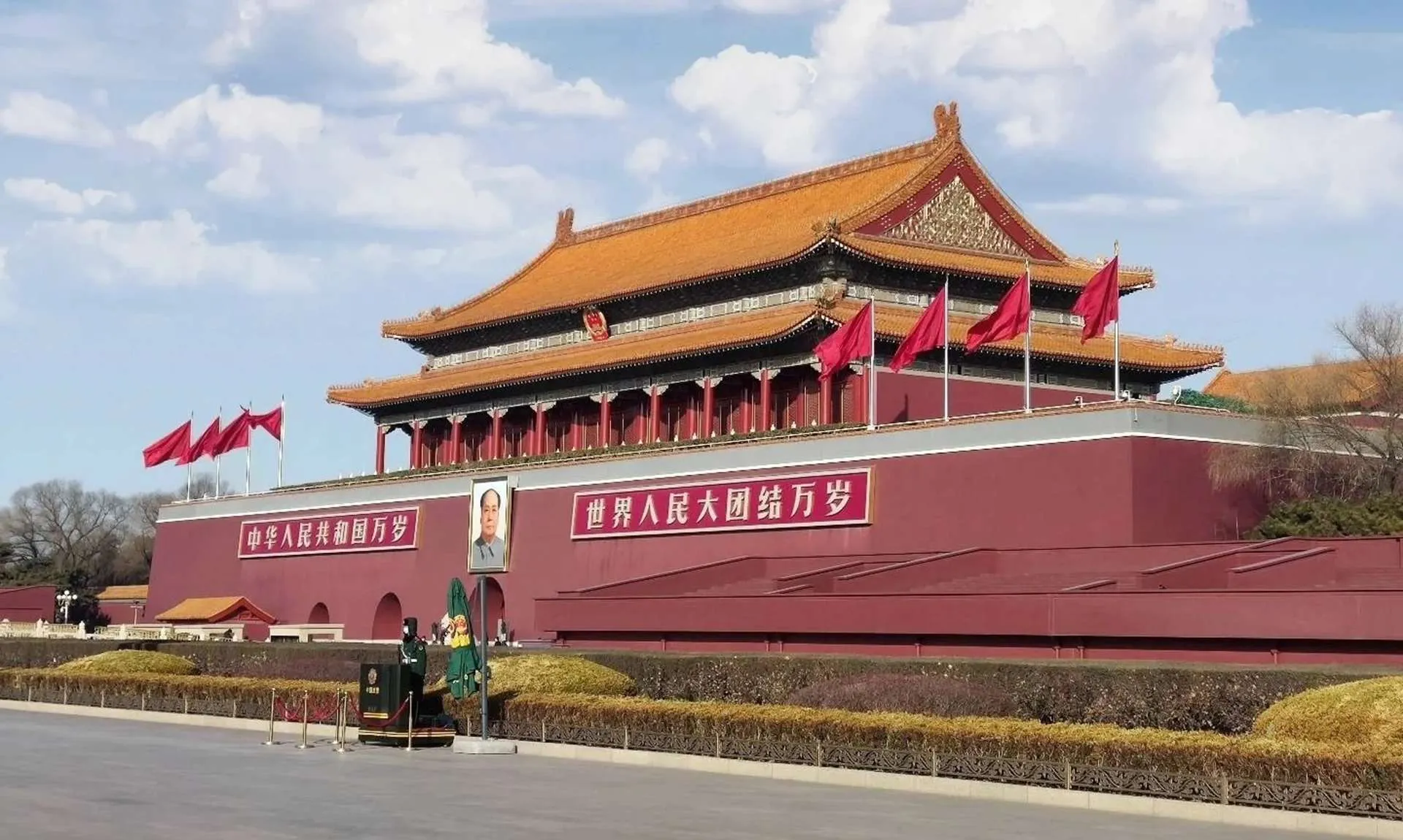
Tiananmen is an iconic landmark in China, so important that it even features on the national emblem. For many Chinese people, childhood memories are filled with the song “I Love Beijing Tiananmen.” For those visiting Beijing for the first time, standing in front of Tiananmen Gate is a bucket-list moment.
Across Chang’an Avenue from the gate lies Tiananmen Square, one of the largest public squares in the world. Spanning 440,000 square meters, the square can hold up to a million people and has witnessed countless major historical events in China. At its center stands the Monument to the People’s Heroes, while the southern end is home to the Chairman Mao Memorial Hall. To the east and west are the National Museum of China and the Great Hall of the People.
Starting your journey at Tiananmen Square is a perfect way to immerse yourself in Beijing’s rich history and culture.
The Flag-Raising Ceremony

Picture this: Thousands gather in hushed anticipation. The command of the honor guard echoes through the misty morning air. As the sun rises over the horizon, the national anthem breaks the silence, and the Chinese flag slowly ascends, bathed in golden sunlight. Few experiences are as powerful and moving as this.
The flag-raising and lowering ceremonies at Tiananmen Square happen daily at sunrise and sunset. You can check the exact time for the day by searching for " Beijing Local Guide" (北京本地宝) on WeChat and replying with “flag-raising” (升旗)Be sure to arrive at least an hour early to secure a front-row spot and witness the impeccable precision of the honor guard up close.
Practical Information
- Address: Tiananmen Square, No. 16 East Chang’an Avenue, Dongcheng District, Beijing
- Transportation: Take Subway Line 1 to "Tiananmen East" or "Tiananmen West" stations.
- Opening Hours: 5:00 AM – 10:00 PM
- Important Note: Visitors are required to book entry at least one day in advance via the "Tiananmen Square Reservation"(天安门广场预约参观)mini program on WeChat. Don’t forget to bring your passport!
Monument to the People’s Heroes
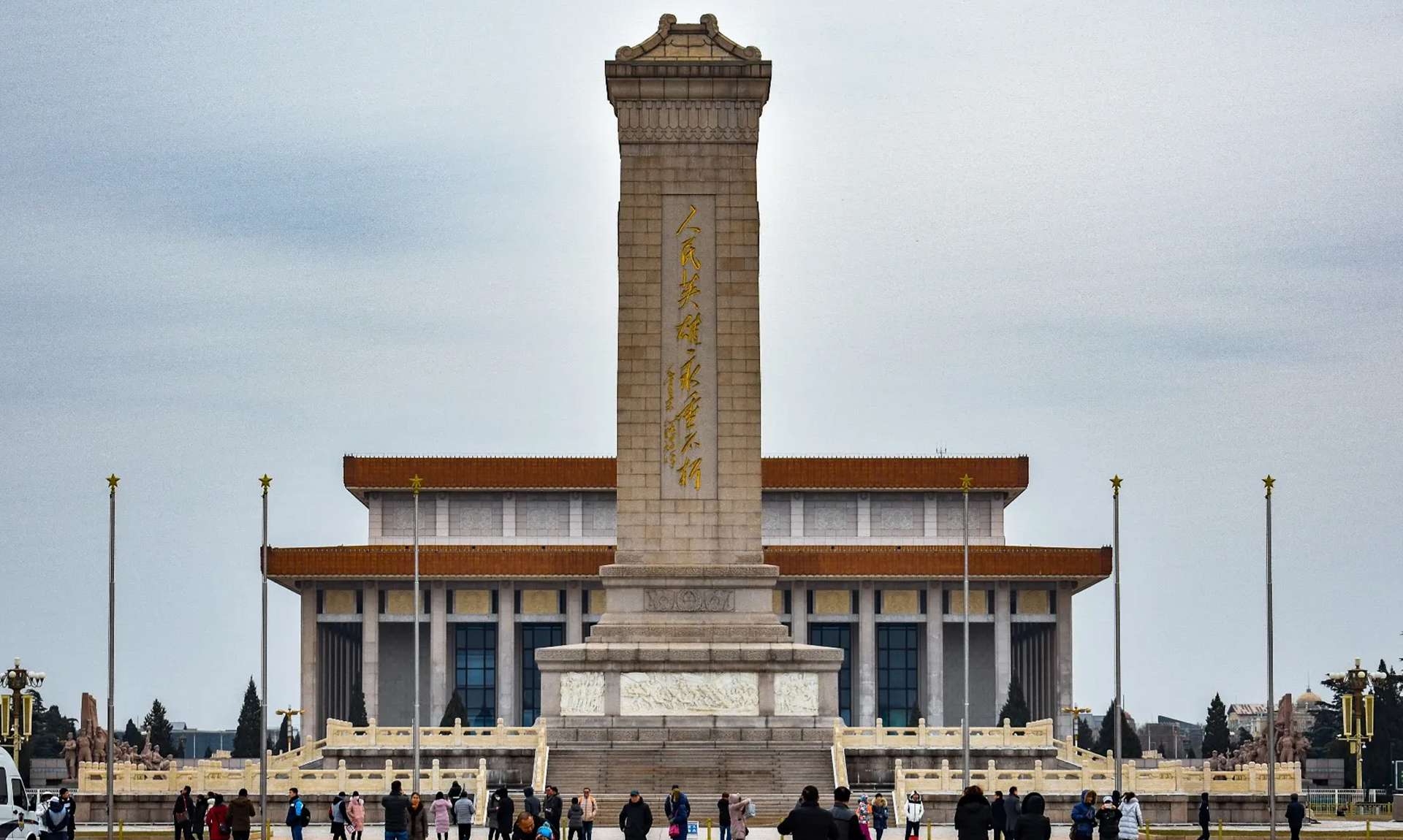
Standing proudly at the heart of Tiananmen Square, the Monument to the People’s Heroes was completed in 1958 to honor those who sacrificed their lives during the People’s Liberation War and the Chinese Revolution.
Known as the “First Monument of the Republic,” this towering structure is made entirely of granite. Around the base of the monument are ten intricate marble reliefs, each depicting key moments in Chinese history. Starting from the east side, the carvings represent:
- The Opium War and the destruction of opium at Humen
- The Taiping Rebellion
- The Wuchang Uprising
- The May Fourth Movement
- The May Thirtieth Movement
- The Nanchang Uprising
- Guerrilla warfare during the War of Resistance Against Japan
- The Crossing of the Yangtze River
- Support for the frontline
- The People’s Liberation Army’s triumphant entry into Beijing
Each relief is a powerful tribute to the resilience and determination of the Chinese people.
Chairman Mao Memorial Hall
Located on the southern end of Tiananmen Square, the Chairman Mao Memorial Hall is dedicated to the first generation of revolutionary leaders, with Chairman Mao Zedong as its central figure.
Visitors enter through the north hall on the first floor to pay their respects in the Viewing Hall, where Mao Zedong’s preserved body lies in state. On the second floor, the memorial hall showcases the revolutionary journey of Mao and his leadership team, offering a glimpse into the early history of the People’s Republic of China.
Practical Information
- Opening Hours: 8:00 AM – 12:00 PM (Tuesday–Sunday)
- Admission: Free
Reservation Guidelines :
To visit the Chairman Mao Memorial Hall, you’ll need to make an online reservation with your real name. Daily visitor capacity is limited to 12,000, and reservations must be made 1–6 days in advance (same-day bookings are not accepted).
To visit the Chairman Mao Memorial Hall, you’ll need to make an online reservation with your real name. Daily visitor capacity is limited to 12,000, and reservations must be made 1–6 days in advance (same-day bookings are not accepted).
Here’s how to book:
- Via the official WeChat service account: 毛主席纪念堂(WeChat ID: mzxjnt)
- Through the official website
- Via the WeChat mini-program by clicking on the "Viewing Service"(瞻仰服务)section in the WeChat service account
Read Next: While you’re here, don’t miss our guide to Beijing’s Treasured Imperial Gardens or discover The Ultimate Beijing Food Guide.
National Museum of China | The Cultural Living Room of the Chinese Nation
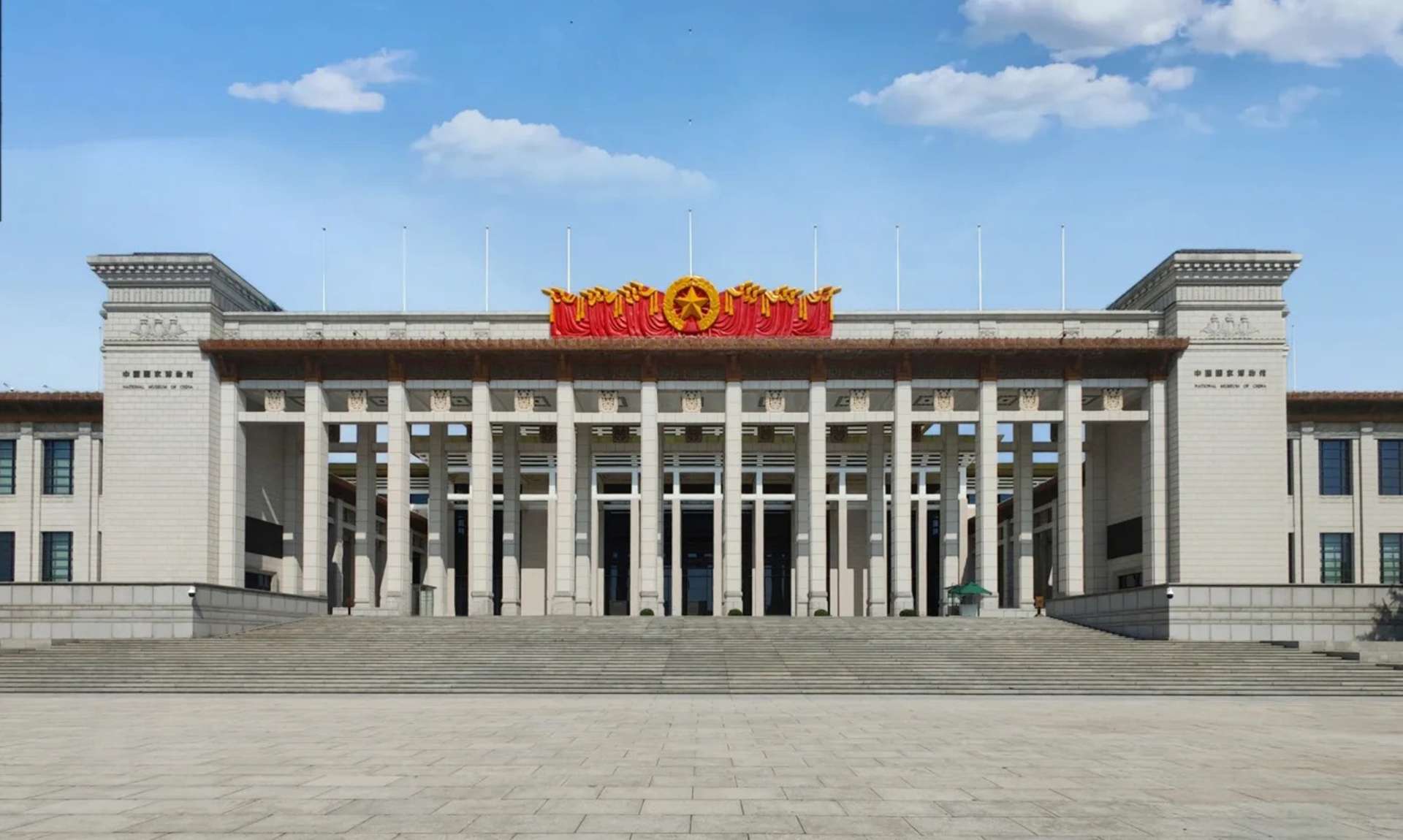
The National Museum of China can be seen as a living encyclopedia of China’s traditional culture. Boasting an extensive collection of artifacts, the museum houses nearly 6,000 nationally significant Grade I relics, with a total collection of over one million items.
On the underground level, the “Ancient China” exhibition gathers treasures from museums across the country. Highlights include the Houmuwu Ding from the Shang Dynasty, the striking bronze masks of Sanxingdui, the Terracotta Warriors of Qin Shi Huang, the Tang Dynasty’s tri-colored camel figurines, and rare ancient books from the Song, Yuan, Ming, and Qing Dynasties. Many of these artifacts, familiar from history textbooks, can be admired in person here.
In addition to the “Ancient China” exhibit , the museum features several permanent exhibitions, including “The Road to Rejuvenation” and its “New Era” section , which explores China's modern development. Special exhibitions, such as “The Art of Ancient Chinese Ceramics” and “African Sculpture Art,” provide additional insights into diverse cultures.
The main hall on the first floor has hosted numerous national-level exhibitions, including the landmark “Great Transformation – Celebrating the 40th Anniversary of Reform and Opening Up.” This year-long exhibition welcomed over 4.23 million visitors, setting a new benchmark for major exhibitions.
Practical Information
- Transportation : Take Subway Line 1 to Tiananmen East Station (Exit C or D).
- Opening Hours : 9:00 AM – 5:00 PM (Tuesday–Sunday); last admission at 4:00 PM.
- Admission : Free. Visitors must make a reservation in advance and bring a valid ID.
- How to Reserve :Reservations can be made up to 7 days in advance through the National Museum of China’s official website or its official WeChat account (search for "国家博物馆"). Daily visitor capacity is limited to 8,000 people.
Great Hall of the People | A Capsule of Chinese History
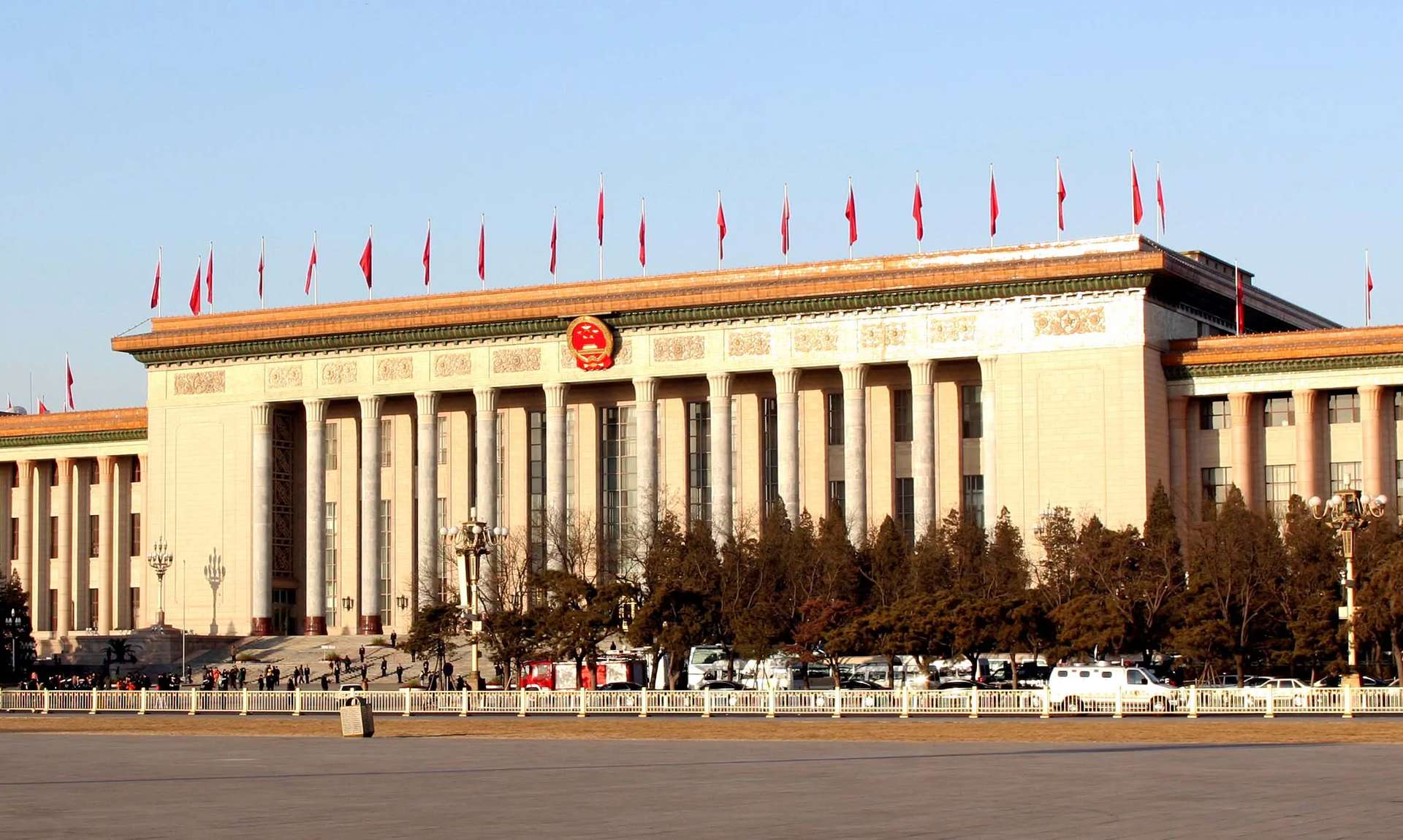
Directly across from the National Museum, on the west side of Tiananmen Square, stands the building featured on the back of China’s 100-yuan banknote: the Great Hall of the People.
This iconic structure serves as the venue for the National People’s Congress and the Standing Committee's offices. Beyond its political significance, it is also open to visitors and occasionally hosts commercial events like concerts and Peking opera performances. Standing before the Great Hall of the People, you’ll be struck by its grandiose architecture and the solemnity it conveys.
Practical Information
- Address : West side of Tiananmen Square, West Chang’an Avenue, Dongcheng District, Beijing
- Transportation : Take Subway Line 1 to "Tiananmen West" station.
Suggested Tour Route
Tiananmen West Station → National Centre for the Performing Arts → Great Hall of the People → Tiananmen Square → National Museum of China → Tiananmen Gate Tower → Forbidden City
The Forbidden City | A 600-Year-Old Scroll of History
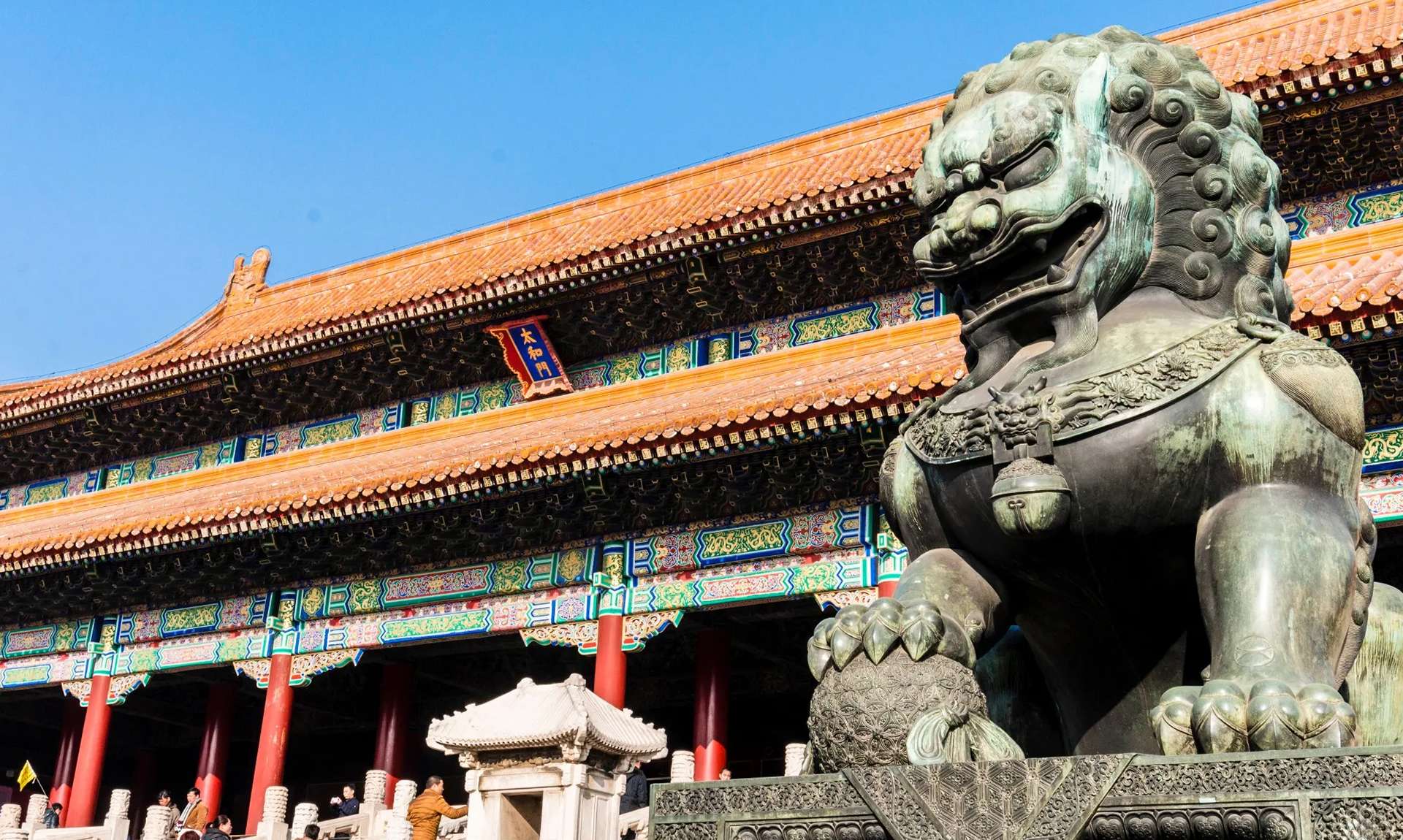
Walk north past Tiananmen, and you’ll find yourself at the Forbidden City. As the imperial palace of the Ming and Qing Dynasties, this vast complex of over seventy palaces was established as the Palace Museum in 1925. It holds an unparalleled status in Chinese culture. In recent years, numerous films and cultural works have explored the mysteries of this former royal residence, and the museum’s creative cultural products have become immensely popular, especially among younger generations.
When visiting the Forbidden City, it’s best to follow a south-to-north route. The Meridian Gate (午门) is the only entrance, with the Shenwu Gate and Donghua Gate as the exits. The Palace Museum’s collection includes over 1.8 million items. To truly explore it all, you’ll need at least a few days.
For your first visit, it’s a must to follow the central axis and pass through the majestic Taihe Gate , which leads you to the three grand halls: Taihe Hall , Zhonghe Hall , and Baohe Hall. Continue north to the Inner Court of the Forbidden City, also known as the “Three Palaces and Six Courts,” where you can explore the Qianqing Palace and Kunming Palace , the residences of the emperor and empress. Keep going to reach the famous Imperial Garden featured in “My Fair Princess” (还珠格格), and then you’ll arrive at the Shenwu Gate. This 2-hour route covers the highlights of the Forbidden City.
Winter Limited: See the Forbidden City Covered in Snow
As winter sets in and the snow begins to fall, the Forbidden City transforms into a tranquil, white wonderland, filled with the majestic atmosphere of China’s imperial past. For those who appreciate ancient Chinese style, this is an unmissable sight.
Full-Day Tour
If you have more time, after visiting the Three Great Halls, head east from Jingyun Gate , where you’ll find the Clock and Watch Gallery and Treasure Gallery. Both galleries require a separate ticket. Though the ticket prices are modest, the exhibits are precious.
The Clock and Watch Gallery , located inside the Fengxian Hall , displays timepieces presented by foreign nations such as England, France, and Switzerland. Daily clock demonstrations at 11:00 AM and 2:00 PM showcase these delicate, intricate clocks in action.
The Treasure Gallery , located in the Ningshou Palace area, holds Qing Dynasty court treasures. The exhibits include exquisite ceremonial items, luxurious imperial jewelry, and meticulously crafted daily objects, showcasing the pinnacle of Qing craftsmanship.
Full-Day Tour
If you have a whole day to explore the Forbidden City, consider including the western side in your itinerary. Compared to the central axis and eastern routes, the western side sees fewer visitors, making it perfect for capturing your own “time-travel” photos without the crowds.
Walk west from Meridian Gate to the Meridian Gate Tower. The tower occasionally hosts important exhibitions, such as the 600th Anniversary Exhibition of the Forbidden City in 2020. From the tower, you can enjoy a panoramic view of Tiananmen, and you can also walk along the city wall (currently closed due to the pandemic) for a unique perspective of the imperial city.
As you continue westward, you’ll pass through the Wuying Hall Ceramics Museum , Cining Palace , Shoukang Palace , Yangxin Hall , Taiji Hall , Yikun Palace , and Chuxiu Palace , where you can explore the residences of the empress dowager and the imperial concubines.
Suggested Full-Day Itinerary:
Meridian Gate → Wuying Hall → Cultural Hall → Taihe Gate → Taihe Hall, Zhonghe Hall, Baohe Hall → Qianqing Palace, Jiaotai Hall, Kunming Palace → Yangxin Hall → West Six Palaces, Imperial Garden, East Six Palaces → Fengxian Hall (Clock and Watch Gallery) → Ningshou Palace (Treasure Gallery) → Shenwu Gate → Exit to the Forbidden City Café (a popular spot to relax and have a coffee beneath the ancient city walls).
Guided Tours
In addition to renting an audio guide, the Forbidden City offers guided tours, which can be booked at the Meridian Gate entrance. For groups of 5 or fewer, the full tour costs 250 RMB, and a tour along the central axis (main route) is 100 RMB.
Compared to the audio guide, a tour with a guide provides more personalized insights and stories that bring the artifacts to life, adding depth to your understanding of the history. For a truly in-depth experience, consider joining an in-depth tour , where you'll uncover many of the Forbidden City’s hidden secrets from the moment you enter.
Practical Information
- Address : 4 Jingshan Front Street, Dongcheng District
- Transportation : Take a bus or subway to Tiananmen East or West Station. You can also reach the Forbidden City from the Donghua or Xihua Gate via East and West Tongzihe Roads.
- Opening Hours : 8:30 AM – 5:00 PM (Peak Season); 8:30 AM – 4:30 PM (Off-Season)
- Admission Fees :
- Peak Season (April 1 – October 31): 60 RMB per person
- Off-Season (November 1 – March 31): 40 RMB per person
- Treasure Gallery: 10 RMB per person
- Clock and Watch Gallery: 10 RMB per person
- Reservation Info : Tickets must be booked in advance through the Forbidden City’s official website or the “MiniForbidden City”(微故宫) mini-program on WeChat. Bring your Passport to enter.
Jingshan Park | The Highest Point Overlooking the Ancient Capital
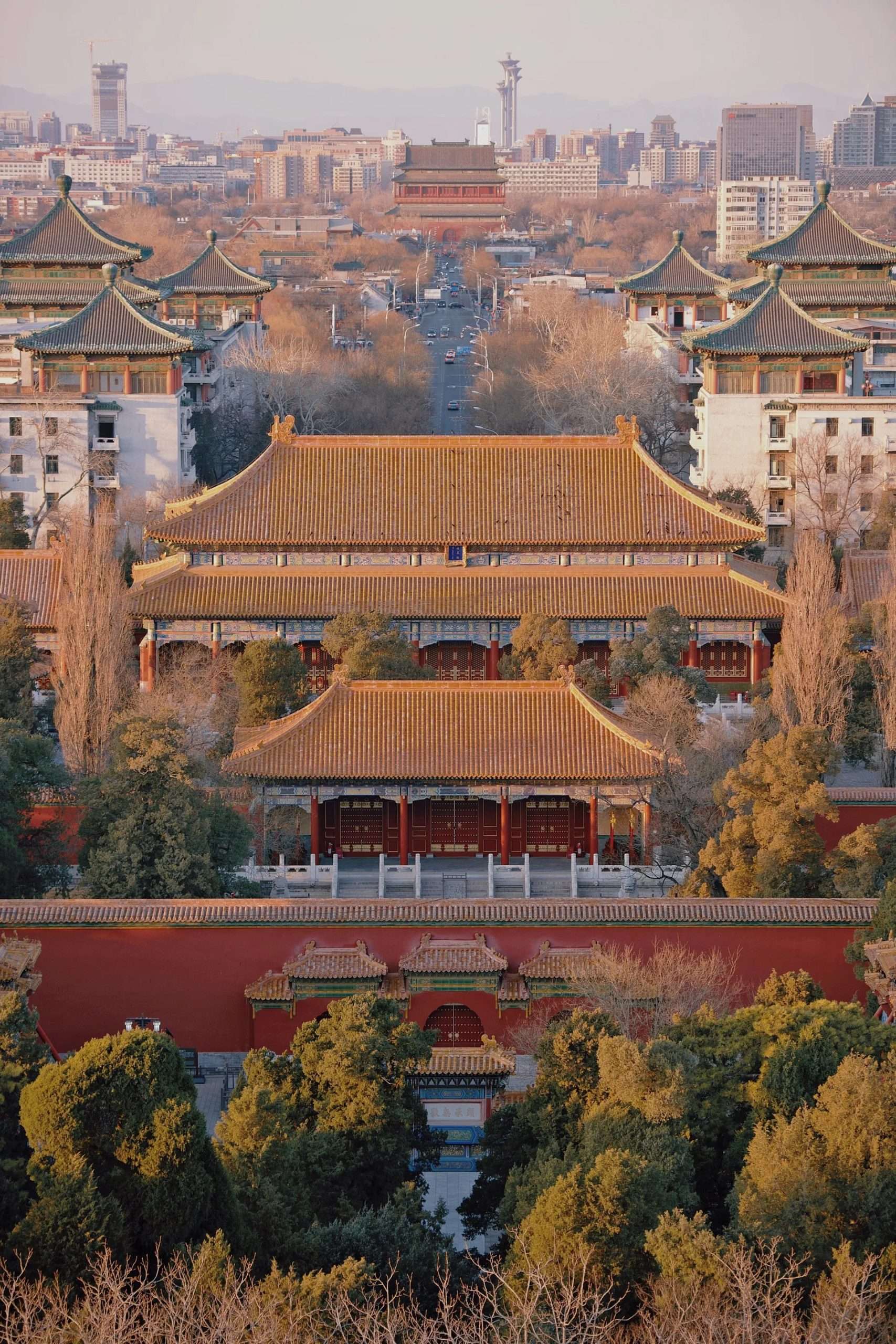
Exit the Shenwu Gate , and directly across the street is Jingshan Park. With an elevation of just 89 meters, it takes only about half an hour to climb to the top. Before the skyscrapers were built, this was once the highest point in the center of Beijing. At the summit, the Wanchun Pavilion offers the best view, providing a full panoramic view of the Forbidden City.
From this high vantage point, you can appreciate the grandeur of the Forbidden City once again, watching the crowds bustling below while the red walls and glazed roofs blend seamlessly with the distant skyscrapers. It’s a sight that naturally evokes deep reflection.
Within Jingshan Park, make sure to stand at the center of the central axis. You should also check out the famous " Crooked Neck Tree"—a historical tree where Emperor Chongzhen of the Ming Dynasty is said to have ended his life (the original tree is no longer there). Particularly in spring, Jingshan Park is home to Beijing’s most beautiful peony flowers.
Practical Information
- Address : 44 Jingshan West Street, Xicheng District
- Transportation :
- Take buses 111 or 124 to the Jingshan East Gate
- Or take buses 5 or 609 to the Xibanjiao stop, and walk to the West Gate of Jingshan Park.
- Admission : 2 RMB per person
- Opening Hours :
- 6:30 AM – 8:00 PM (November to March)
- 6:30 AM – 9:00 PM (April to October)
Beihai Park
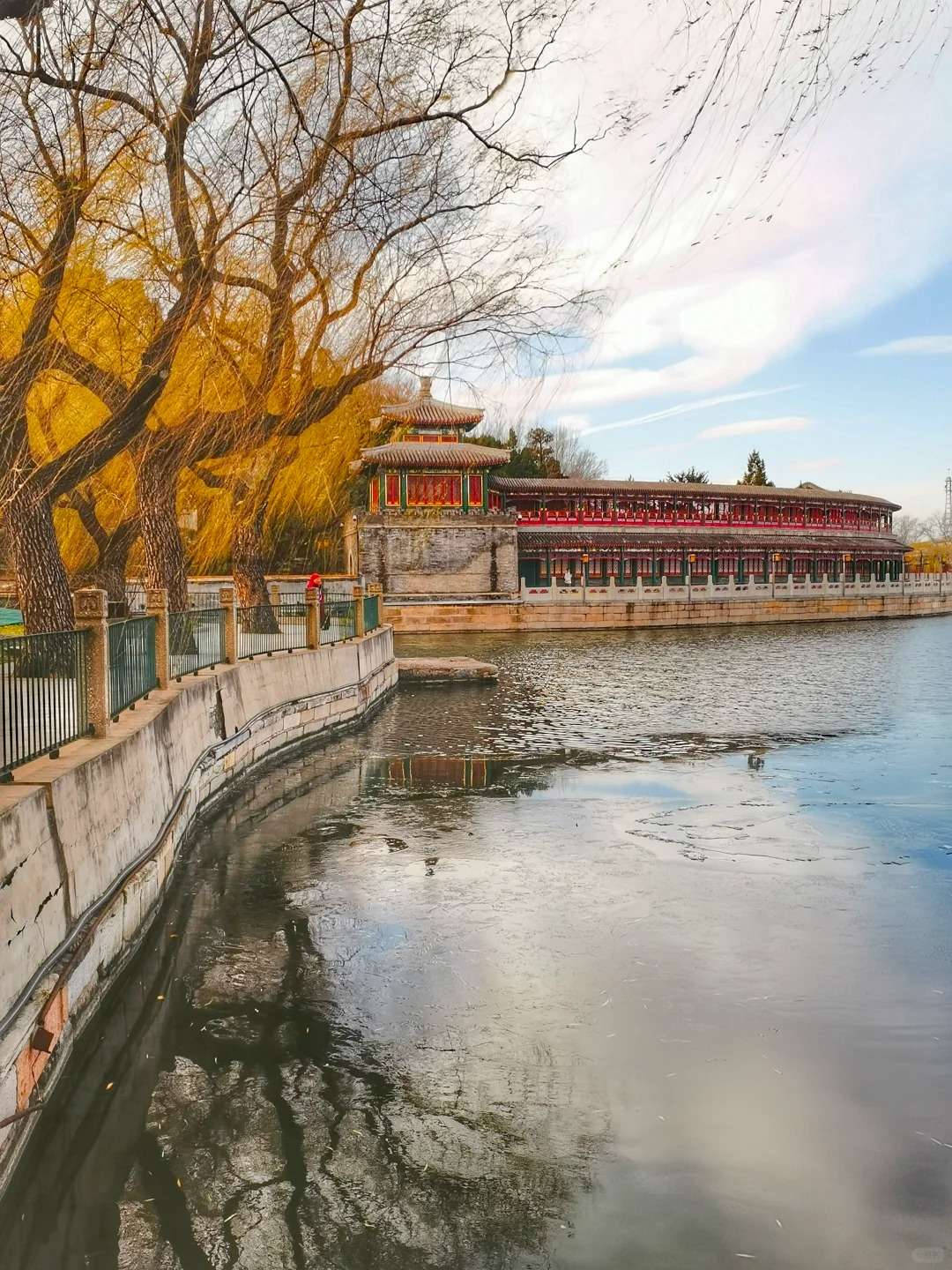
Located to the west of Jingshan Park, Beihai Park is the oldest and best-preserved classical royal garden in China. It was once the imperial palace during the Jin and Yuan Dynasties and served as the imperial garden during the Ming and Qing Dynasties. As soon as you enter Beihai Park, you'll feel the grandeur of the royal garden, where red walls and green roofs reflect in the shimmering lake, creating a picturesque scene.
Beijing has limited water bodies and a dry climate, so the vast lake in Beihai Park is one of the favorite spots for the locals. The best times to visit Beihai Park are in spring and autumn. Spring is warm and breezy, while autumn features clear skies and cool air. A leisurely boat ride on Taiye Lake is an incredibly relaxing way to spend time with family and friends, either chatting on the boat or gently drifting along with the ripples of the water.
2-Hour Route
Enter from the North Gate and explore Tuancheng and several scenic spots on Qionghua Island. Along the way, you can see the White Pagoda , Qiongdao Chun Yin (Spring Shadows of Qionghua Island), and other famous sights. Finally, exit through the South Gate.
4-Hour Route
Start from the South Gate , explore Tuancheng and Qionghua Island , then take the ferry from Yilan Hall to the North Shore. There, you can visit the Nine-Dragon Wall , Five-Dragon Pavilion , Chengguantang , and other highlights before exiting through the North Gate.
Practical Information
- Transportation :
- Take buses 13, 42, 107, 111, 118, 612, or 701 to the North Gate
- Or take subway Line 6 to Beihai North Station and walk to the North Gate, or take bus 5 to Xibanjiao and get off at Beihai Park North Gate.
- Opening Hours :
- 6:30 AM – 9:00 PM (Peak Season, April to October)
- 6:30 AM – 8:00 PM (Off-Season, November to March)
- Admission Fees :
- Peak Season: 10 RMB for regular admission, 20 RMB for the combo ticket
- Off-Season: 5 RMB for regular admission, 15 RMB for the combo ticket
- Reservation : Book tickets in advance via the Chángyóu Gōngyuán**(** 畅游公园**)** WeChat official account.