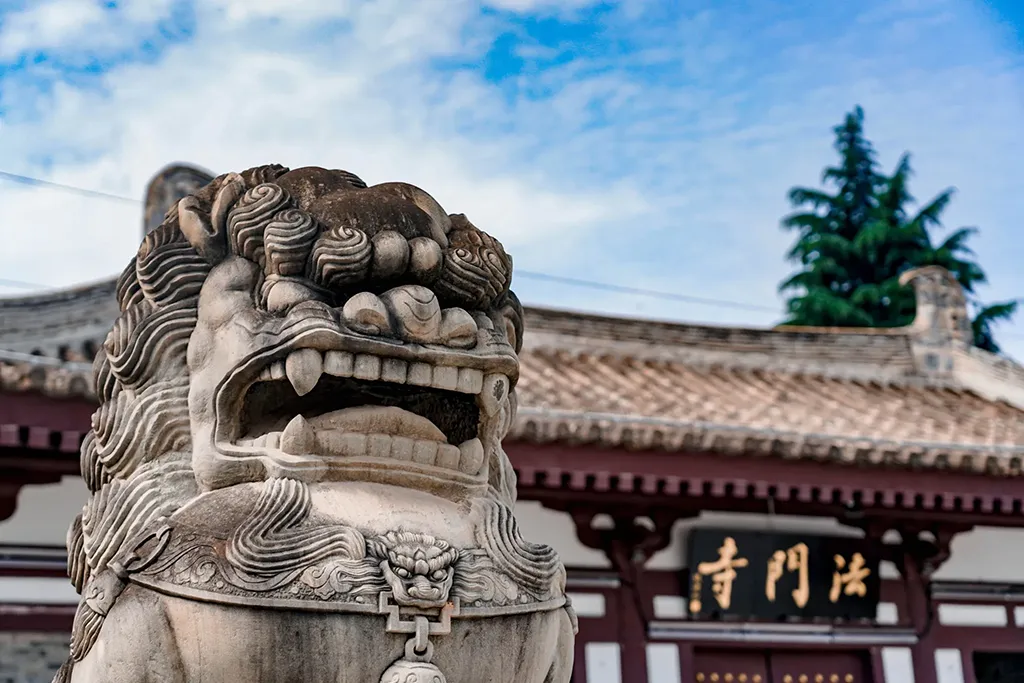
Imagine a 400-year-old pagoda suddenly collapsing in the pouring rain. A disaster? No—it turned out to be one of the greatest archaeological miracles of the 20th century.
In 1987, at Famen Temple (Famen Si) , a hidden "Underground Palace" sealed for 1,113 years was revealed beneath the rubble. Inside lay over 2,000 royal treasures from the Tang Dynasty and the sacred finger bone of the Buddha.
There is a famous saying among Chinese historians: " Open the Underground Palace, and you see half of the Tang Dynasty."
💡 Jim’s Insight: The Irony of History
It’s fascinating to think that if the tower hadn't collapsed, we would still be oblivious to these treasures today. Sometimes, destruction is just a rough form of preservation. The Tang emperors buried these items to hide them from anti-Buddhist purges, and the collapsing tower kept them safe from modern grave robbers. History has a strange sense of humor.
Part 1: The Legend of the Finger Bone
Legend says that after Sakyamuni Buddha passed away 2,500 years ago, King Ashoka divided his remains (Sarira) into 84,000 parts and sent them across the world. China received 19 of them. The one at Famen Temple is said to be a finger bone of the Buddha.
For centuries, Tang Dynasty emperors were obsessed with this relic. Eight different emperors personally carried this bone from the temple to the Royal Palace in Xi'an for worship. Each time they returned it, they buried massive amounts of gold, silver, and jewels as offerings.
Read Next: After exploring Famen Temple’s underground treasure vault, continue through Xi’an’s imperial history at Huaqing Palace, the Tang Dynasty hot springs complex where Yang Guifei once bathed.
Part 2: ChinaFootprints "Must-See" Treasures
The complex is huge, but don't get overwhelmed. Head straight to the Museum. Here are the Top 3 treasures you cannot miss:
1. The "Lost" Secret Color Porcelain (Mi-se)
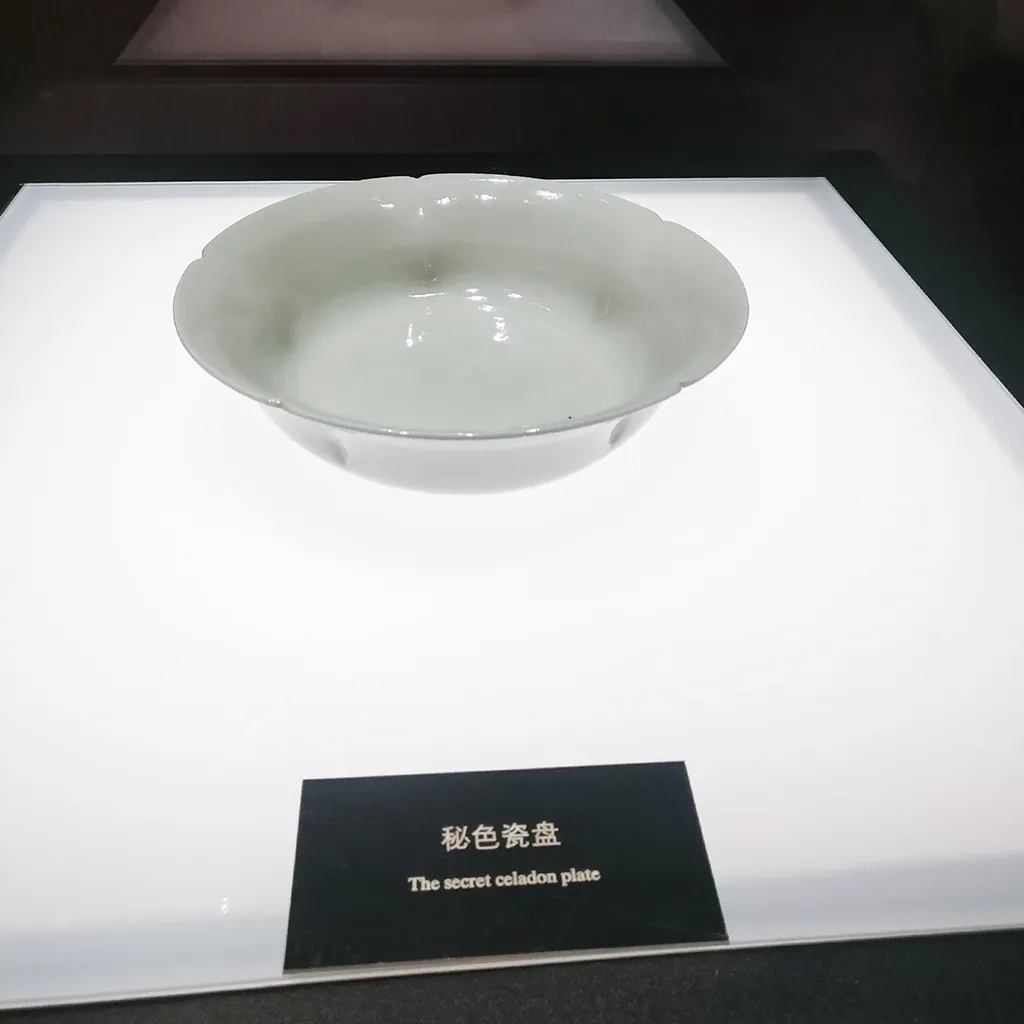
For over a thousand years, "Secret Color Porcelain" was a myth—ceramics described as "ice and jade" but lost to time. The excavation found the actual bowls and the inventory list proving their existence.
📸 Photography Tip
Don’t just take a photo from above. Crouch down slightly so your eyes are level with the Five-Petal Sunflower Plate. The lighting in the museum is designed to hit the glaze at a specific angle. If you get it right, the empty plate looks like it’s filled with water. It’s a 1,000-year-old optical illusion.
2. The Royal Gold Tea Set
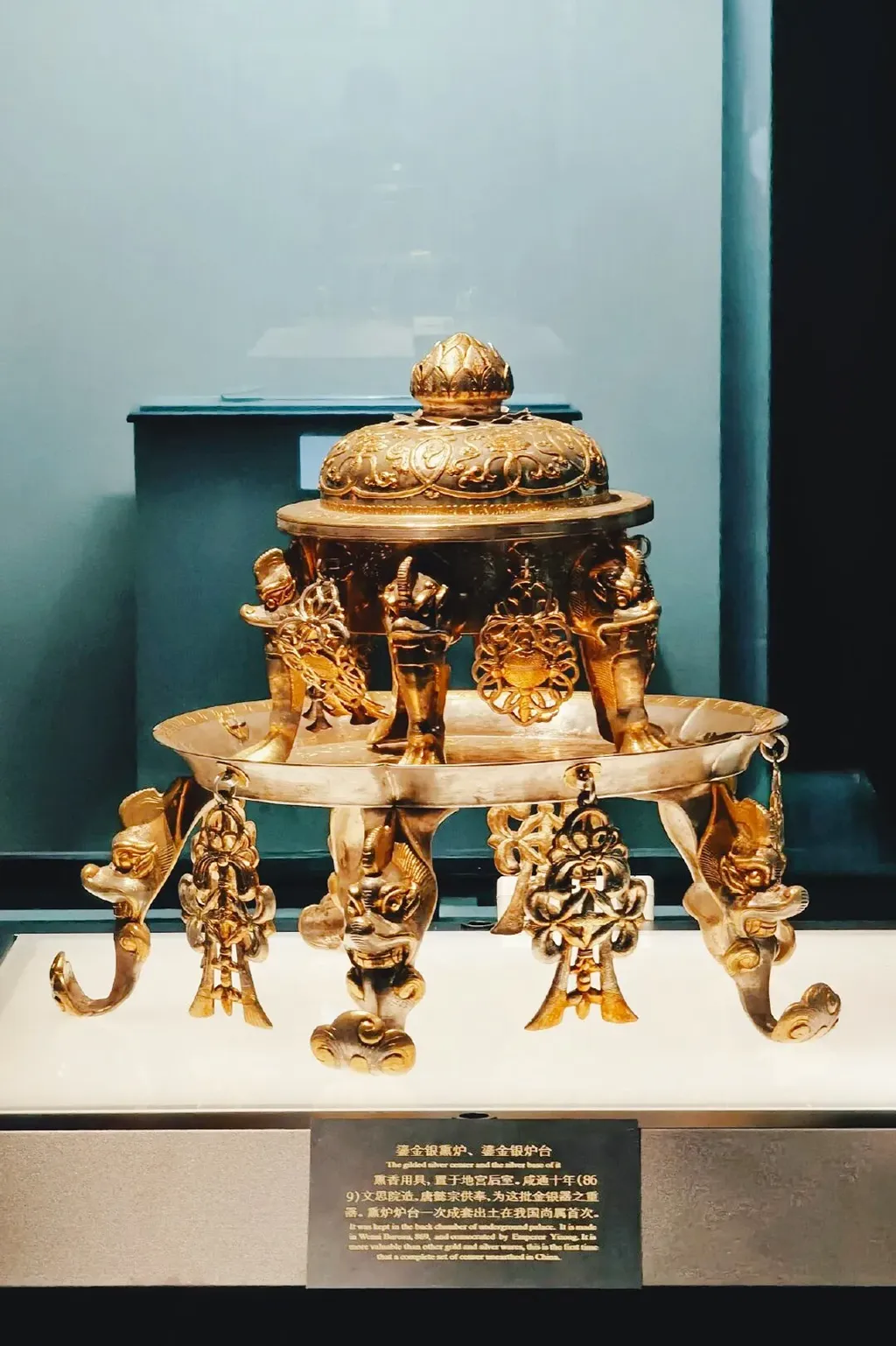
Forget the British—the Tang Dynasty Chinese were the ultimate tea connoisseurs. The museum houses the oldest and most luxurious royal tea set ever discovered, complete with a grinder, a sieve, and a salt cellar.
🤔 A Thought on "Slow Living"
Look closely at the tiny salt cellar and the delicate gold sieve. We think we are sophisticated with our Starbucks apps and espresso machines, but the Tang elites turned tea drinking into a spiritual ceremony. Seeing this set makes you realize: maybe we haven’t advanced in lifestyle, we’ve just gotten faster and less patient.
3. The Islamic Glassware
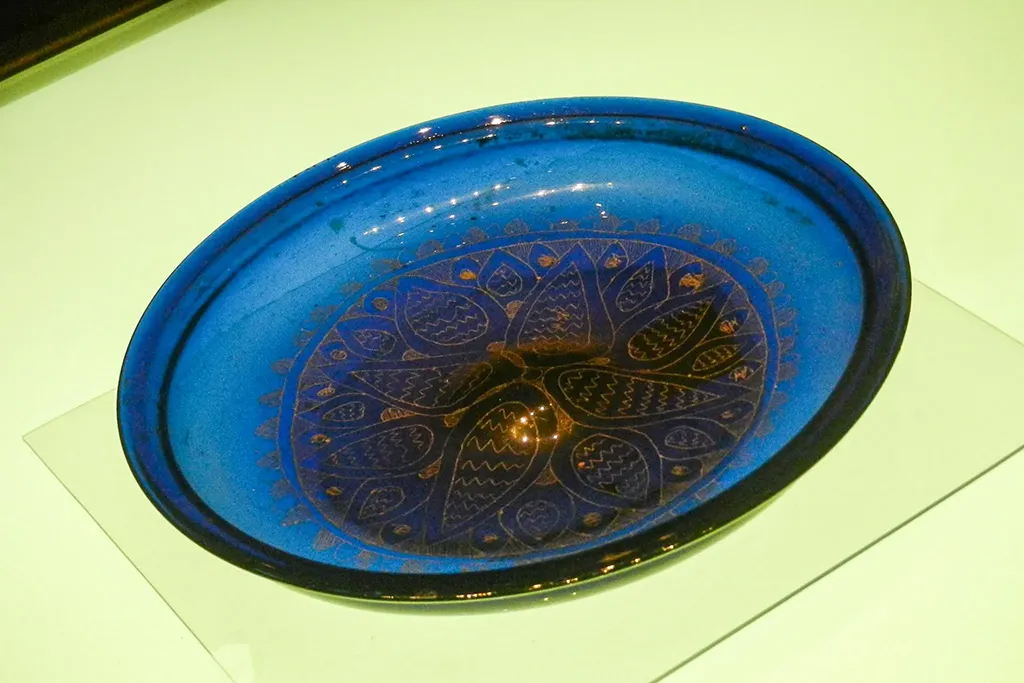
You might be surprised to see glass plates that look Roman or Islamic. Out of 20 glass pieces found, 13 were royal items featuring distinct Persian and Byzantine styles. This proves that Chang'an (Xi'an) was truly a global metropolis, trading luxury goods across the Silk Road.
Part 3: The Holy Grail (The Relics)
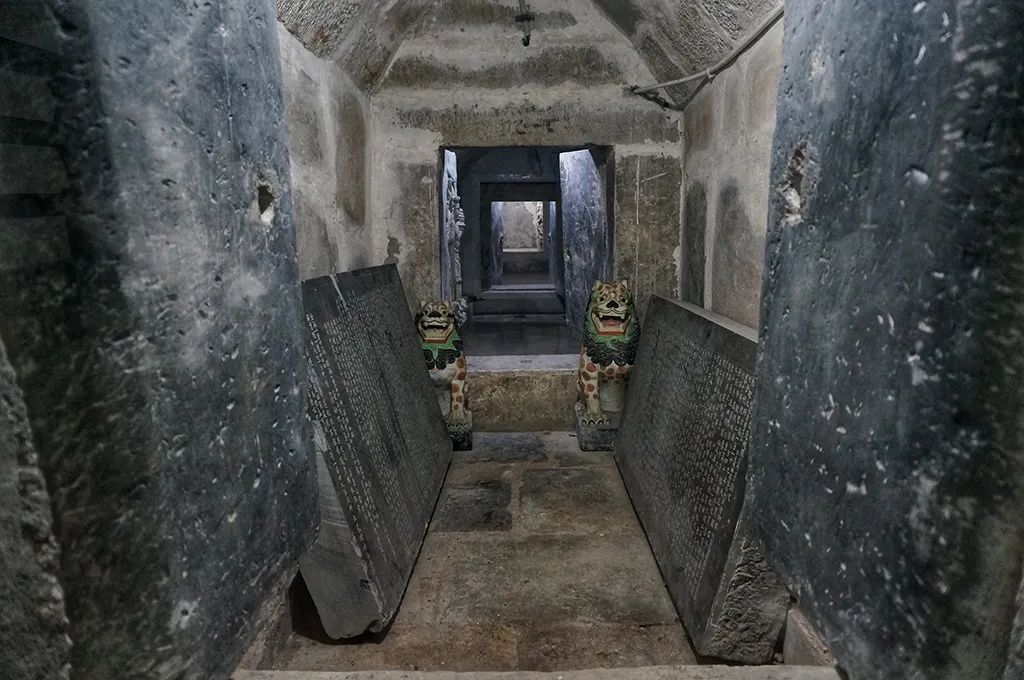
Famen Temple holds four bone relics found in the crypt. But here is the "Da Vinci Code" twist: Three are decoys, and only one is real.
- The "Shadow Bones" (The Decoys): Monks in the Tang Dynasty made three replicas out of jade-like stone to protect the real one.
- The "True Bone": The actual finger bone (sacred Sarira).
🚩 ChinaFootprints Verdict: Don't Dismiss the Fakes
You might feel cheated hearing about "Shadow Bones." Don't be. To me, the "Shadow Bones" are almost more interesting than the real one. They represent the extreme lengths—and the fear—involved in protecting faith. The craftsmanship of these "decoys" is so high that they are National Treasures in their own right. They are not "fakes"; they are "bodyguards."
⚠️ Insider Tip: When can you see the Real Bone?
The "True Bone" is kept in the modern Namaste Dagoba and is ONLY displayed on:
The "True Bone" is kept in the modern Namaste Dagoba and is ONLY displayed on:
- The 1st and 15th of every Lunar month.
- Saturdays and Sundays.
- Major Chinese holidays.
Part 4: The Ultimate Treasure Box
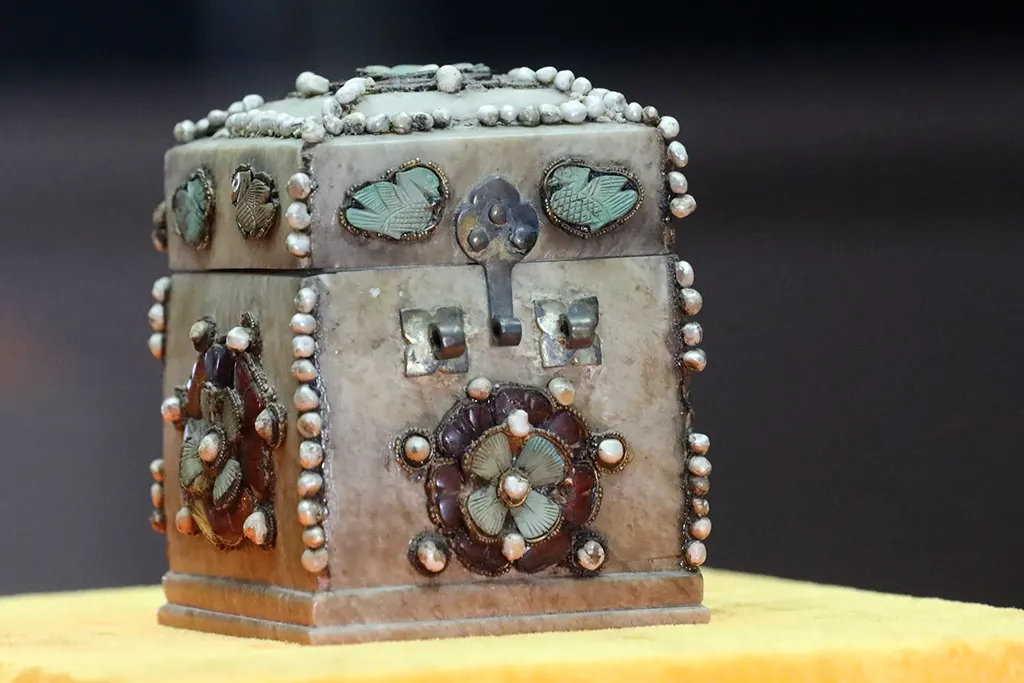
In the Treasure Pavilion, look for the Eight-Nest Treasure Box. Imagine a Russian Nesting Doll, but made of gold, silver, pearls, and turquoise. There are eight boxes, one inside the other. It is widely considered the finest example of gold craftsmanship in Chinese history.
🗺️ Practical Guide: Visiting Famen Temple
Getting There:
Famen Temple is in Fufeng County, about 120km (75 miles) from downtown Xi'an. It takes about 2 hours by car.
Famen Temple is in Fufeng County, about 120km (75 miles) from downtown Xi'an. It takes about 2 hours by car.
The Logistics:
- Ticket Price: 120 RMB (approx. $17 USD).
- Opening Hours: 08:30 – 17:30.
🚌 Jim’s Survival Tip: The "Scale" Problem
I cannot stress this enough: This place is HUGE. The walkway from the entrance to the new tower is massive and completely exposed to the sun.
- Do not be a hero: Pay the 30 RMB for the electric shuttle bus. It saves your energy for the museum.
- Bring Snacks: The food options inside the scenic area are overpriced and mediocre (mostly instant noodles). I usually pack some fruit and water, if you go alone, pack a lunch.