Welcome to Shanxi! Step into the world of 'Black Myth: Wukong' with this ultimate Shanxi travel guide, and explore an ancient land steeped in thousands of years of history and culture.
Huayan Temple - Datong Pingcheng District
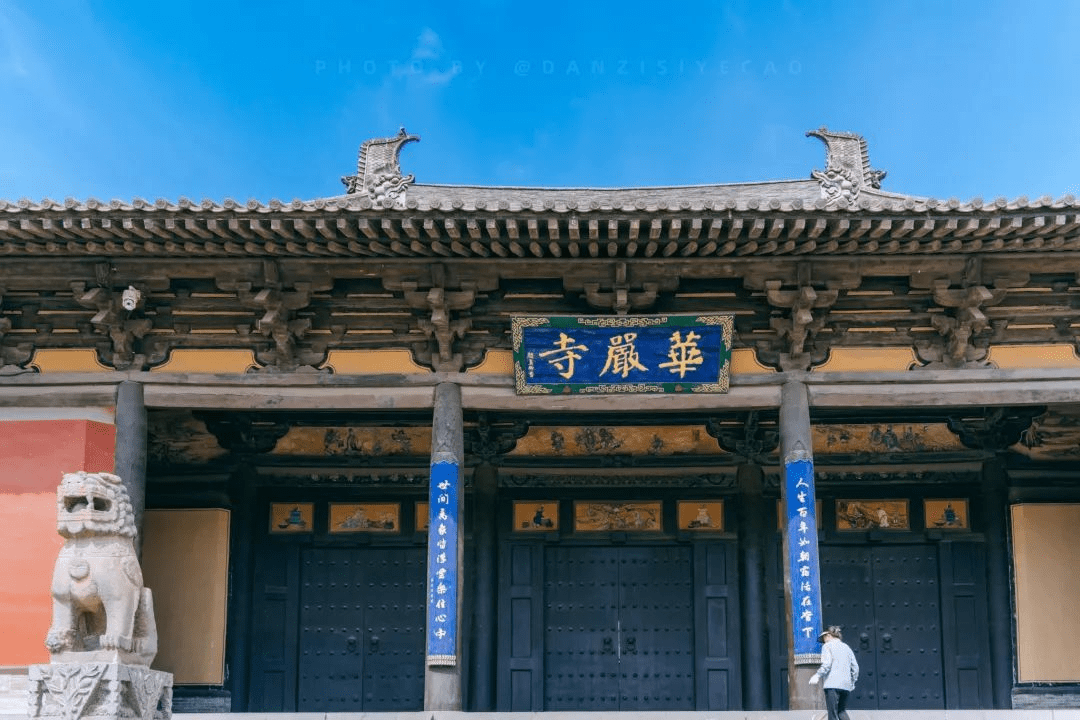
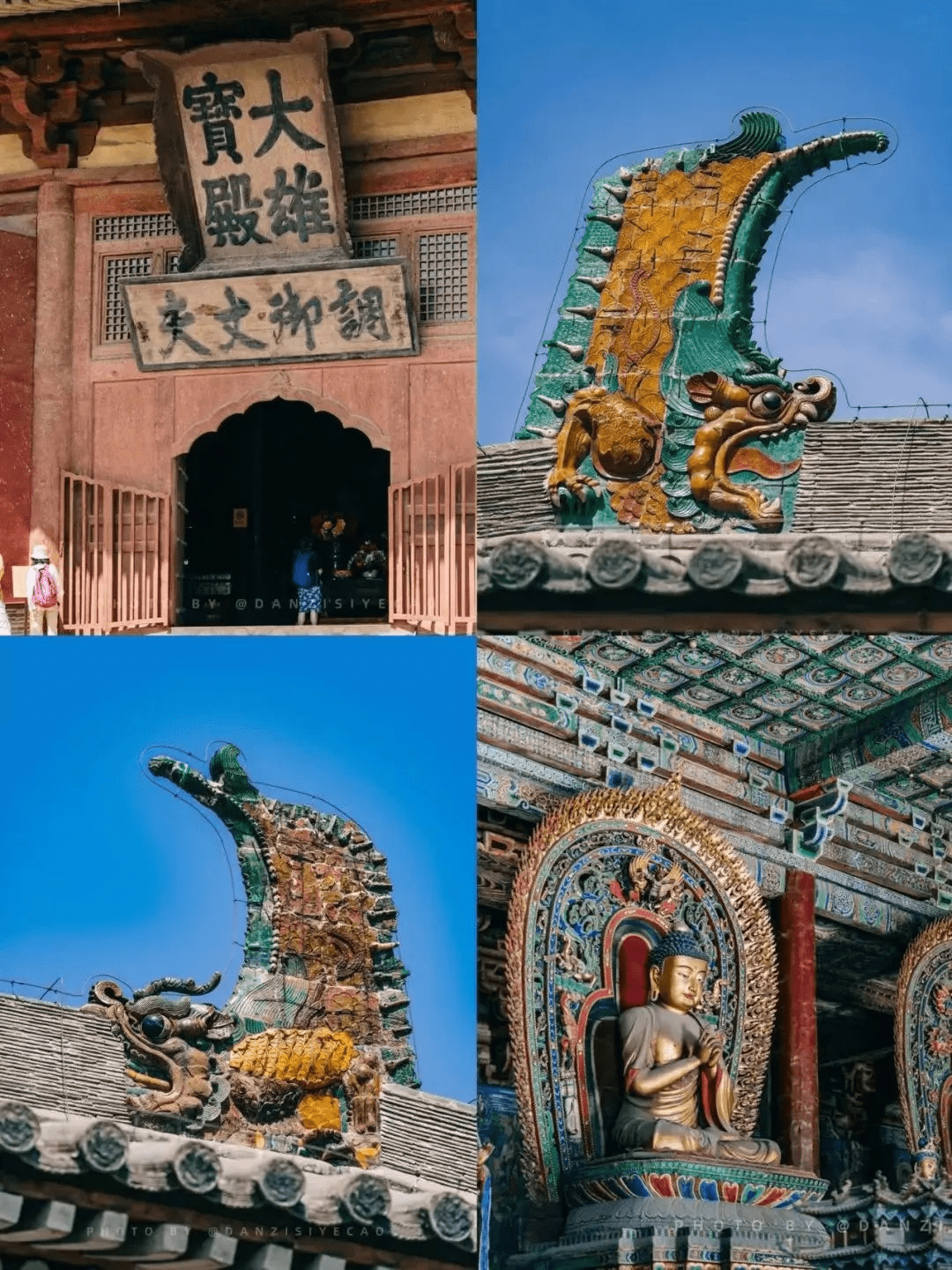
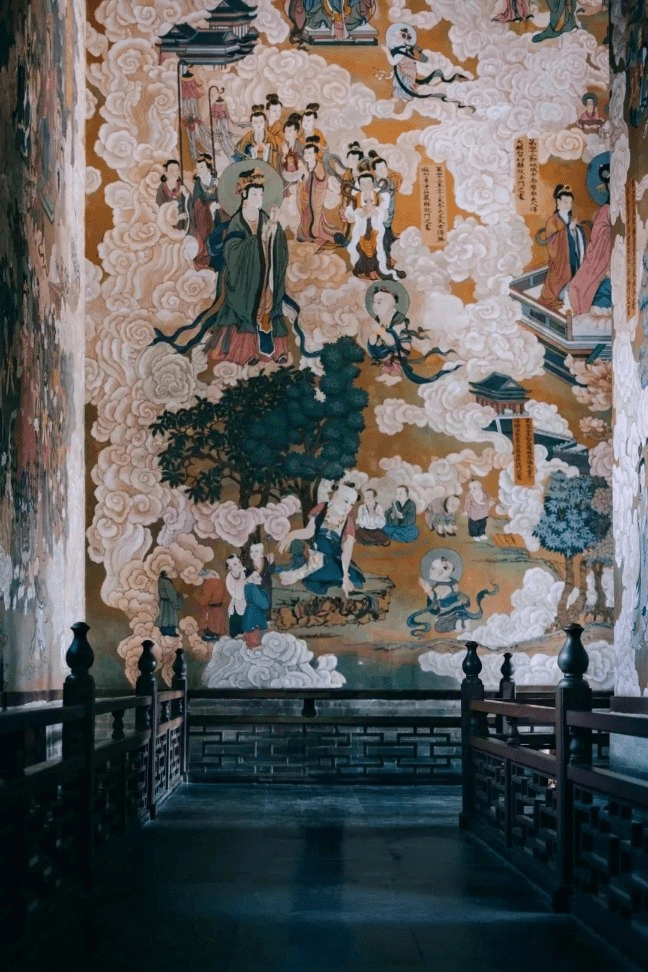
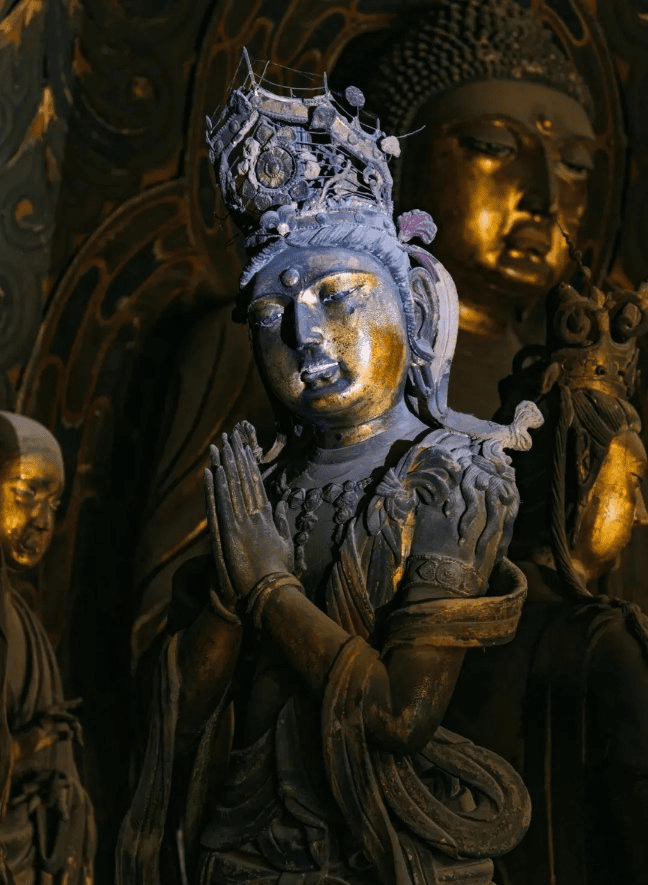
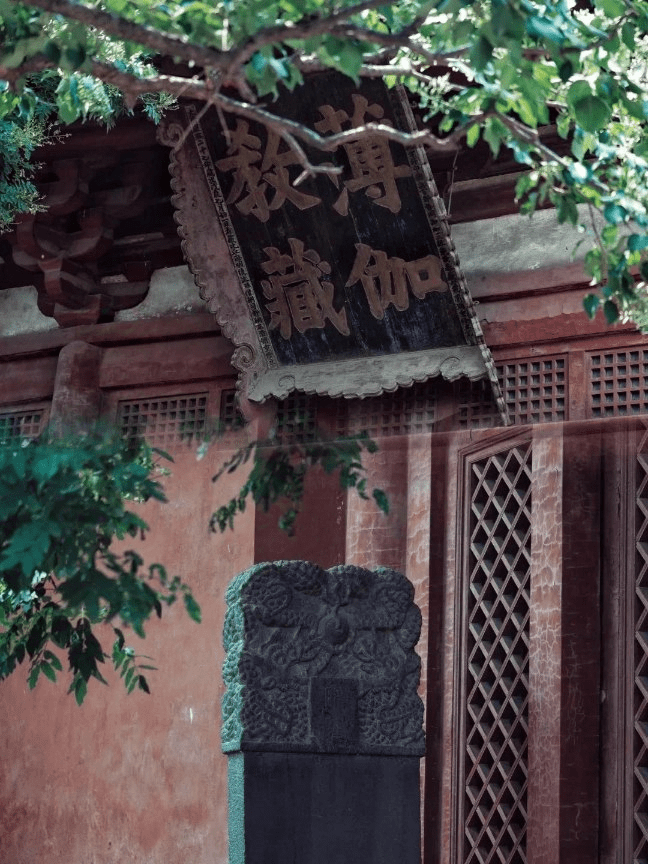
Huayan Temple was originally a royal temple of the Liao Dynasty. Its name was taken from the Buddhist classic "Huayan Sutra". Because the Khitan people believed in ghosts and worshipped the sun, and had religious beliefs and living customs that the east was superior, the temple was built in the west and faced the east.
The main hall in the temple was first built in the Liao Dynasty and rebuilt in the Jin Dynasty. The hall was built using the column reduction method, reducing 12 inner columns, expanding the front worship space, and only using two golden columns to support the hall.
The glazed chiwen on the ridge is 4.5 meters high. The chiwen at the north end is the original from the Jin Dynasty, and the chiwen at the south end was repaired and made in the Ming Dynasty. It is also the largest glazed chiwen on ancient Chinese buildings.
There are Ming Dynasty statues and giant murals from the Qing Dynasty in the hall (the existing murals have been restored by CAFA). Four stone tablets of the "Book of Changes" written by Zhu Xi, a Neo-Confucianist of the Southern Song Dynasty, are embedded on the outer wall of the hall.
The Bhagavad Gāthāna Hall is a relic of the Liao Dynasty. The eight-coffered caisson and colored sculptures in the hall are all old objects from the Liao Dynasty. Among the 29 Liao Dynasty colored sculptures, there is a Bodhisattva with "palms clasped and teeth bared", standing barefoot on a lotus platform, which is so lifelike that it was praised by the famous scholar Zheng Zhenduo as the "Oriental Venus".
As the Sutra Repository Hall, there are 38 pavilion-style Sutra Repository cabinets on the wall in the Bhagavata Hall, divided into two floors. The column head bracket is double-down-ang seven-layer, which is the most complex bracket of the Liao Dynasty. At the rear window of the main hall, there is a "Heavenly Palace Pavilion" connected by an arch bridge. It is the only existing model of a Liao Dynasty wooden structure and was called "the only one in the country" by Mr. Liang Sicheng.
Shanhua Temple - Pingcheng District, Datong City
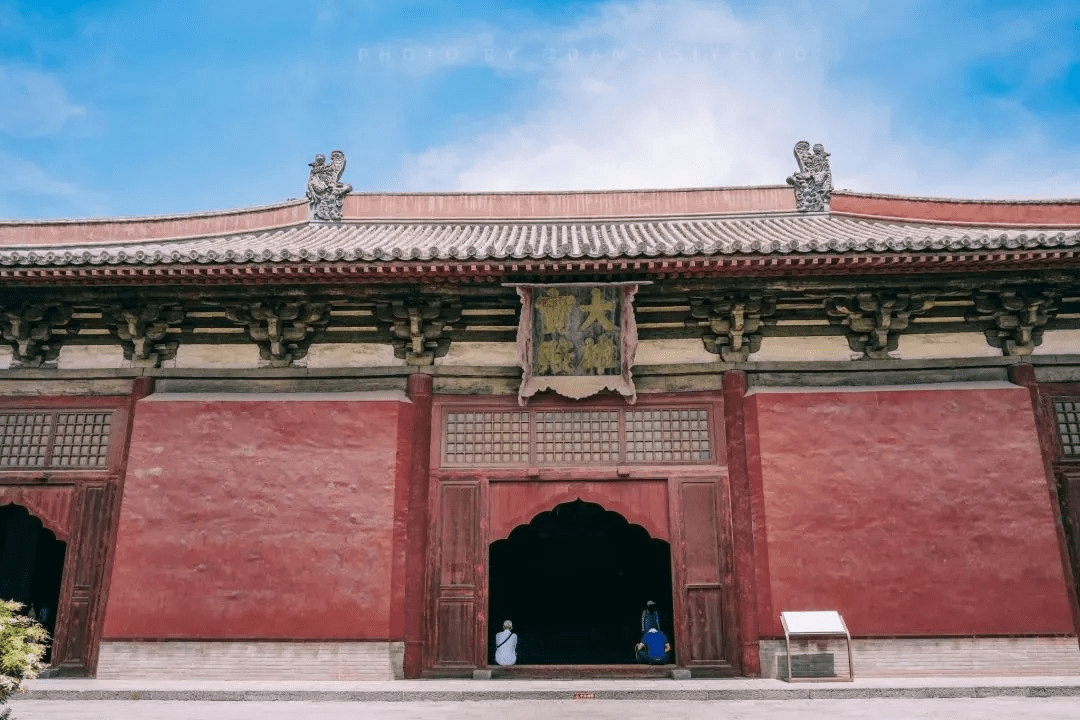
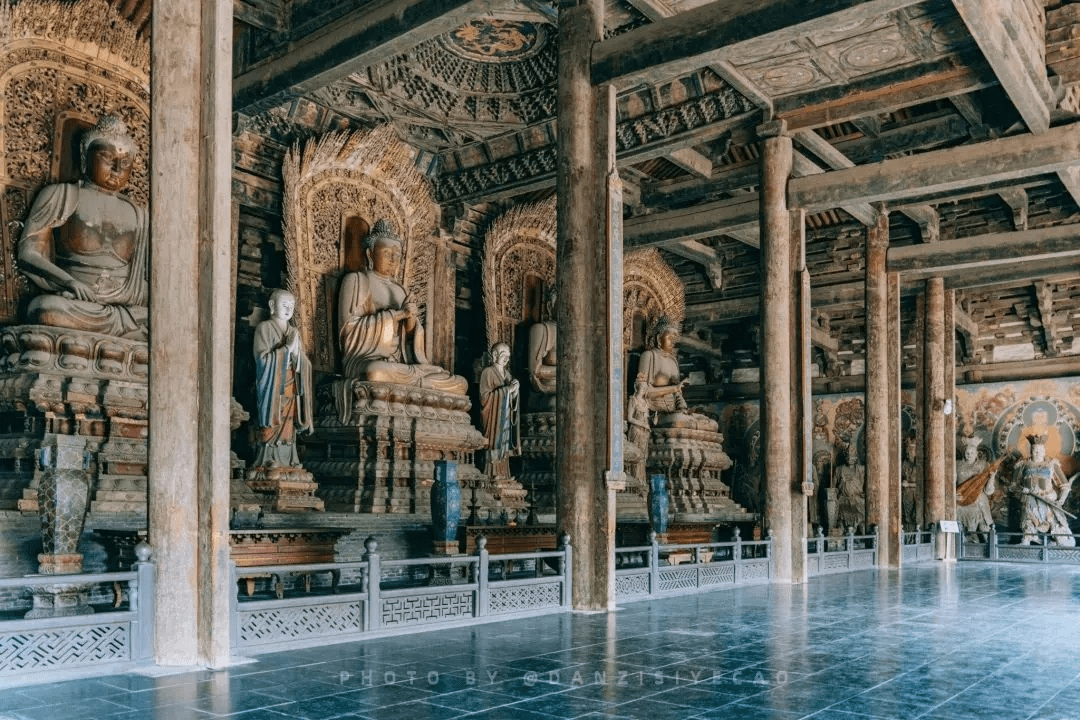
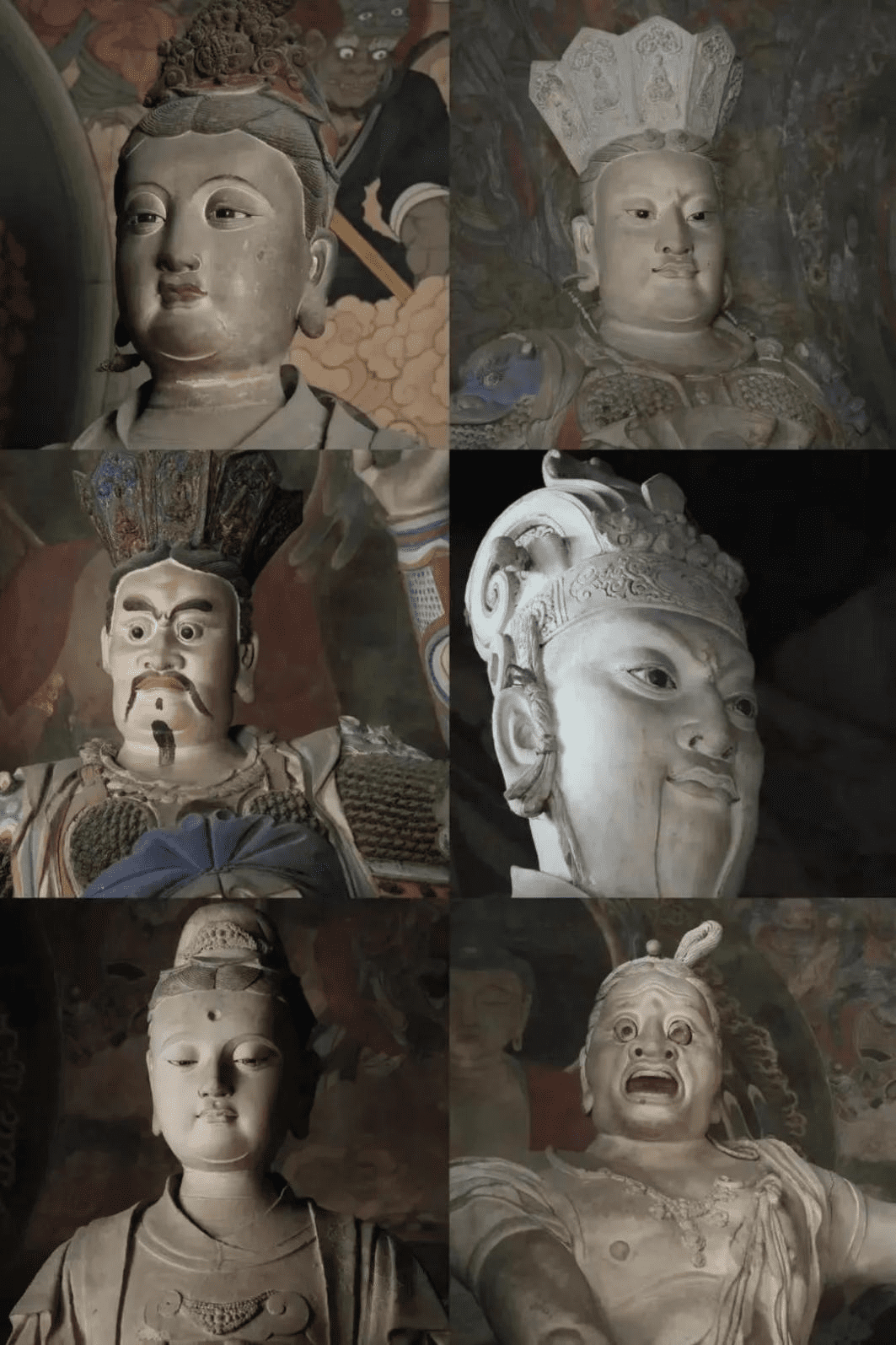
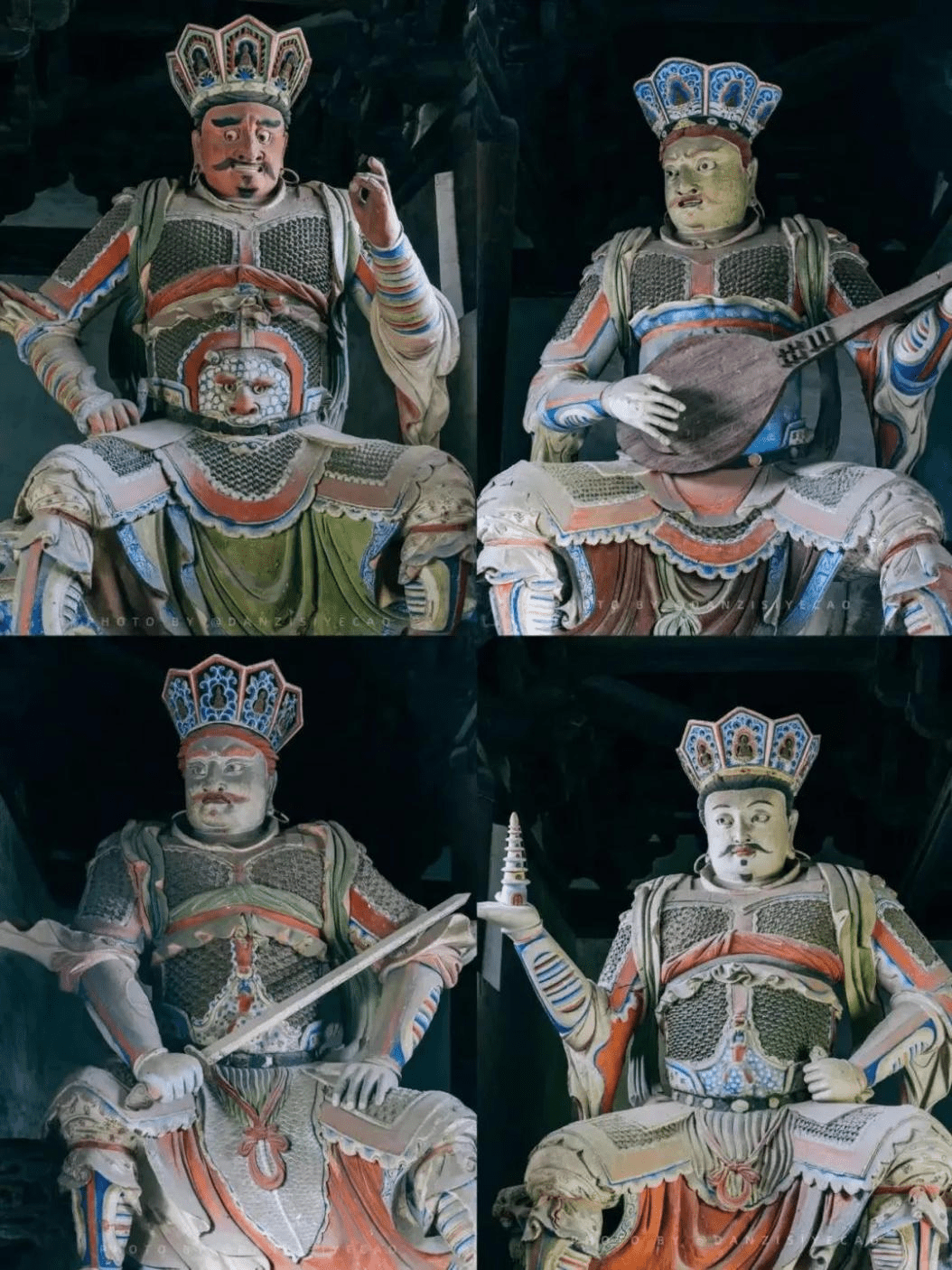
Shanhua Temple was first built during the Kaiyuan period of the Tang Dynasty and rebuilt during the Jin Dynasty. Among the existing buildings, the Main Hall is from the Liao Dynasty, the Hall of Heavenly Kings, the Hall of Three Saints, and the Samantabhadra Pavilion are from the Jin Dynasty, and the rest are relics of the Ming and Qing Dynasties.
The Mahavira Hall is the largest hall in Shanhua Temple, with a width of seven rooms and a depth of five rooms. The hall stands on a 3.3-meter-high platform and adopts the column reduction method, reducing eight inner columns.
The Liao Dynasty statues in the hall have the roundness, plumpness, elegance and grace of the Tang and Song dynasties, while also retaining the boldness of the nomadic peoples.
The Hall of Heavenly Kings is the mountain gate of Shanhua Temple. It is five bays wide and is the largest existing mountain gate of the Jin Dynasty in China, even larger than the main halls of some small temples.
There are four statues of Ming Dynasty Heavenly Kings inside the mountain gate. Their expressions are lifelike and they are affectionately called "Conspicuous Bag" Kings!
Hanging Temple - Hunyuan County, Datong City
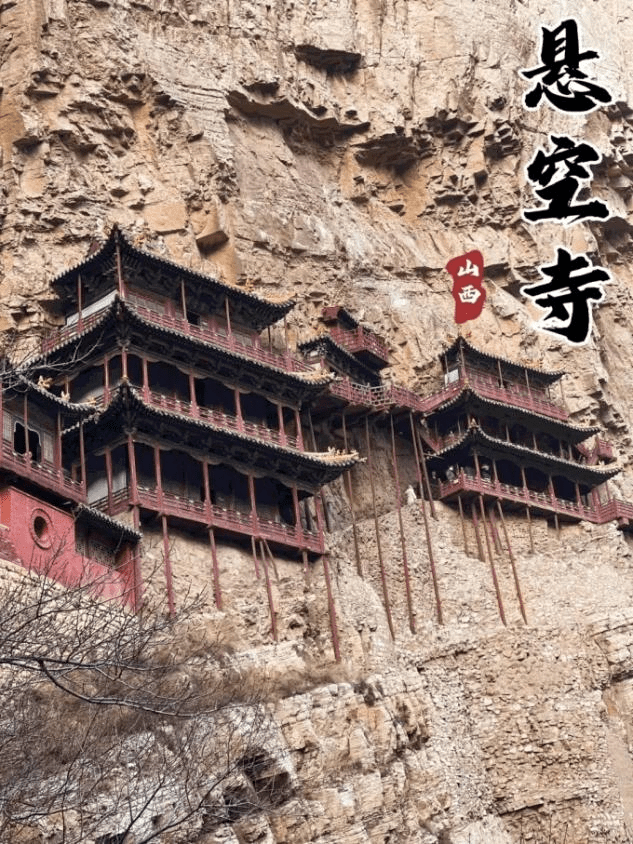
The Hanging Temple was first built in the Northern Wei Dynasty, and the existing buildings are relics of the Ming and Qing dynasties. The entire building is supported by horizontal beams inserted into the cliff wall, and the rocks are used to support it, as if it is suspended in the air.
Xu Xiake, a traveler in the Ming Dynasty, praised the Hanging Temple as "a wonder of the world."
The layout of the Hanging Temple is "one courtyard and two buildings", with 40 halls and pavilions of different sizes, integrating the elements of Confucianism, Buddhism and Taoism. Among them, the Three Religions Hall on the highest floor of the north building enshrines statues of Sakyamuni, Laozi and Confucius at the same time.
Yungang Grottoes - Yungang District, Datong City
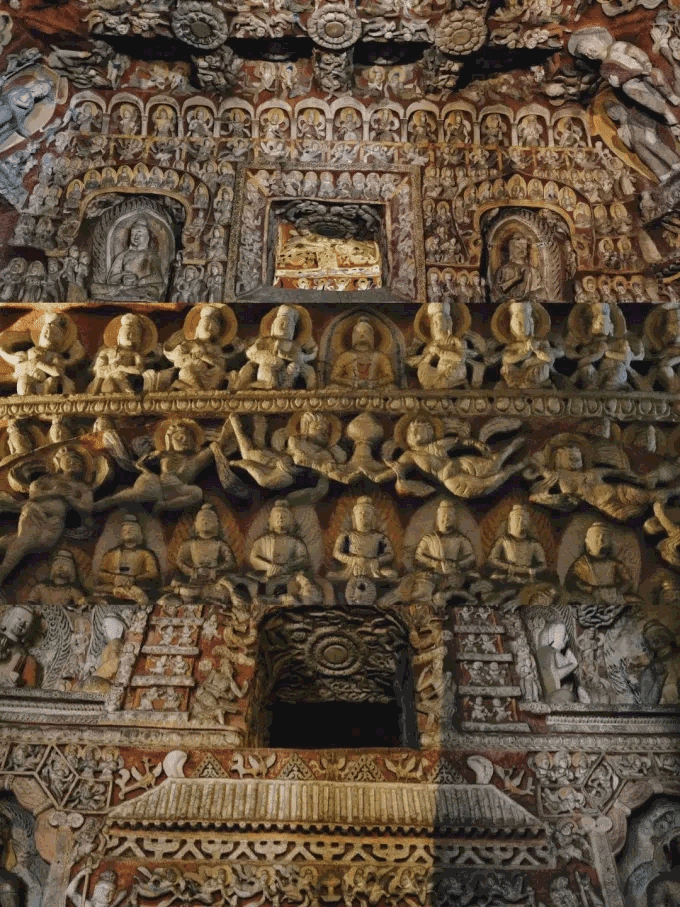
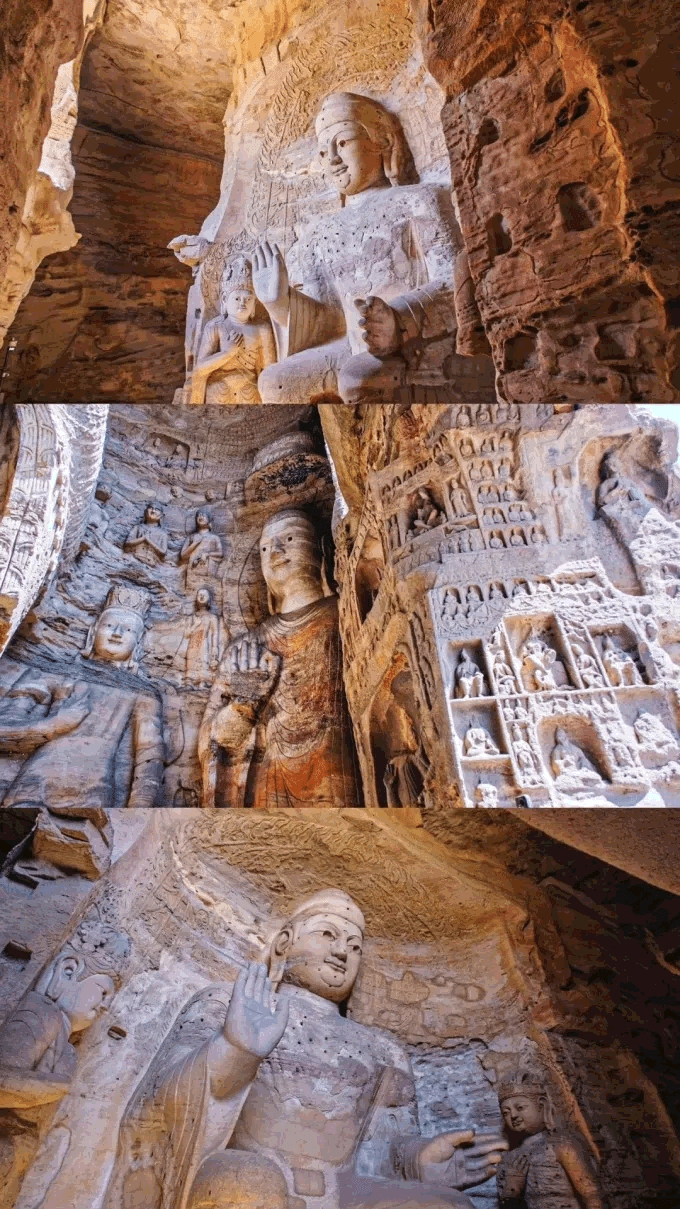
The Yungang Grottoes are one of the four major grottoes in my country. There are 45 main caves and 209 subsidiary caves, with a carving area of more than 18,000 square meters. The highest statue is 17 meters and the smallest is 2 centimeters. There are more than 1,100 niches and more than 59,000 statues of various sizes.
The Yungang Grottoes are divided into three areas: East, Central and West. Cave 5 to Cave 20 are the highlights, especially Cave 5 and Cave 6, which are famous for their exquisite carvings and grand scale.
Yingxian Wooden Pagoda - Yingxian, Shuozhou City
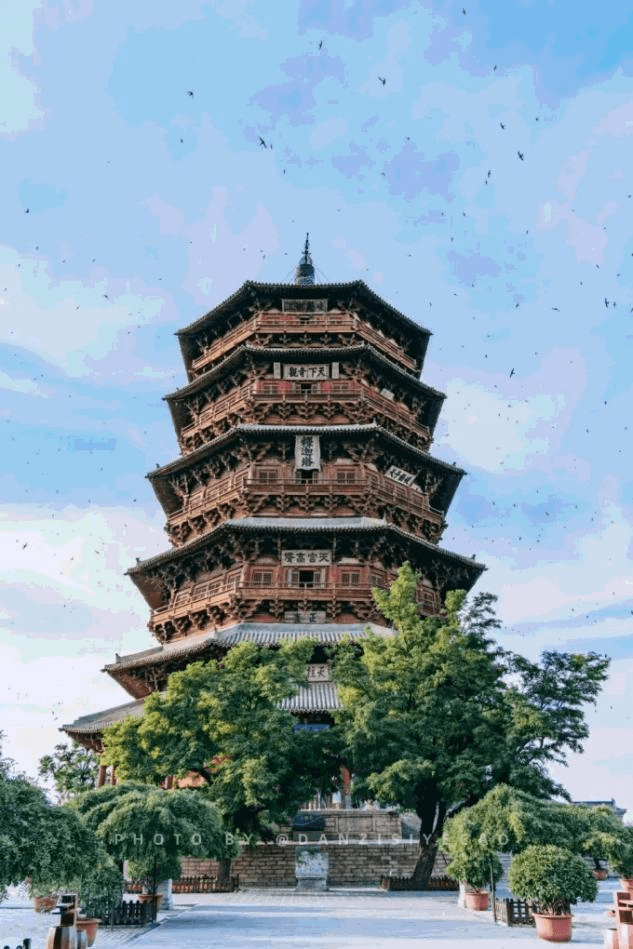
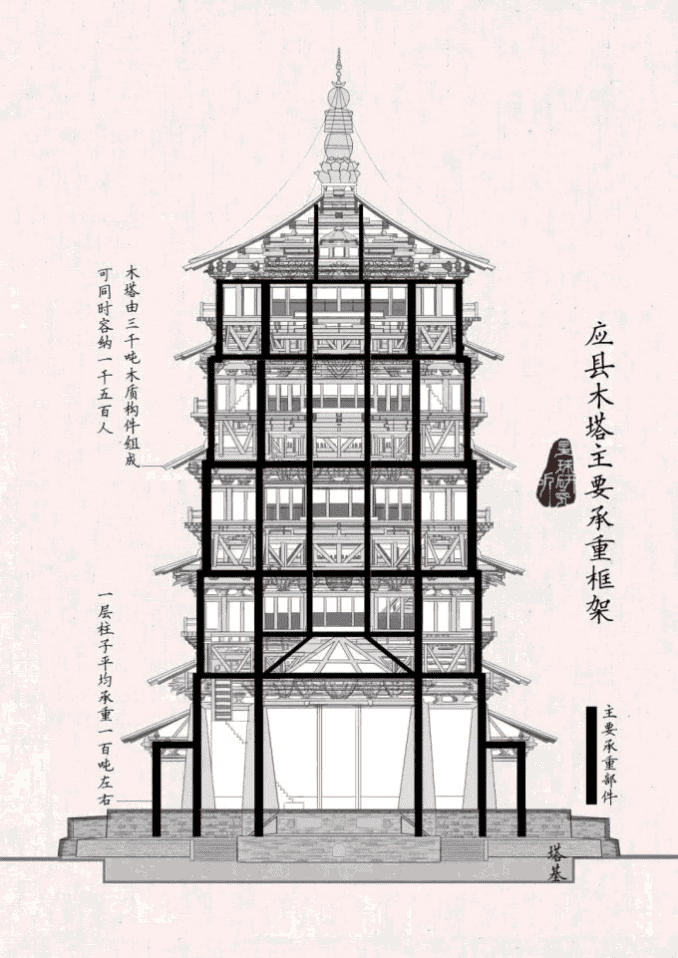
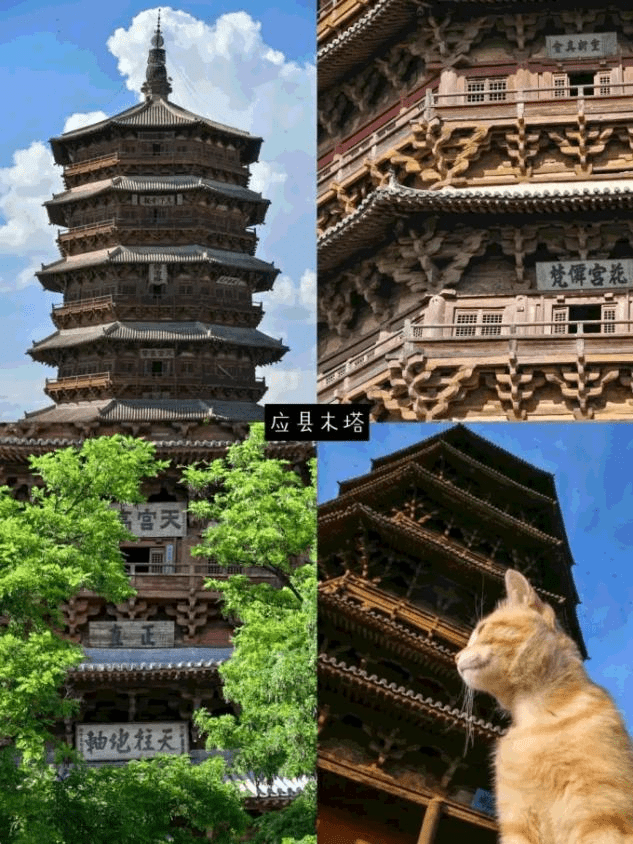
The Sakya Pagoda of Fogong Temple, commonly known as the Yingxian Wooden Pagoda, is the tallest and oldest existing wooden pagoda in the world. It has nine floors and is 67.31 meters high.
The wooden pagoda is located between the mountain gate and the main hall of the Fogong Temple, with a "tower in front and hall in the back" layout. The wooden pagoda is exquisitely designed, with a wooden mortise and tenon structure as the overall structure. It has stood for nearly a thousand years without collapsing, and is known as one of the three most amazing towers in the world, along with the Leaning Tower of Pisa in Italy and the Eiffel Tower in Paris.
According to research, the wooden pagoda used 54 different types of brackets, which can be called a "bracket museum".
Two tooth relics of Sakyamuni Buddha and a batch of Liao Dynasty scriptures and cultural relics are enshrined in the pagoda. The plaques on the wooden pagoda, "Junji Shengong" and "Xiaguan" were written by Zhu Di, the Emperor Chengzu of the Ming Dynasty, and Zhu Houzhao, the Emperor Wuzong of the Ming Dynasty, respectively.
Chongfu Temple - Shuozhou Old Town
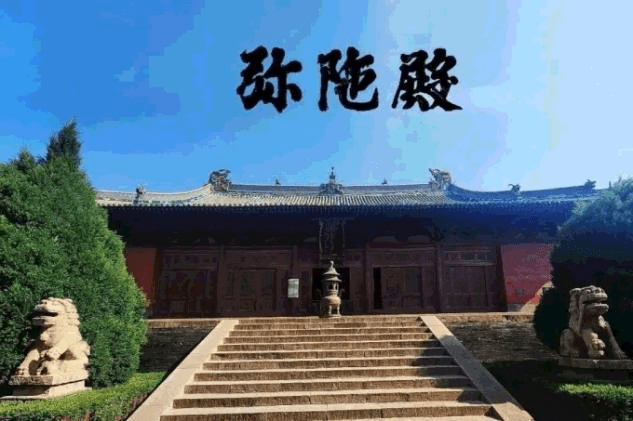
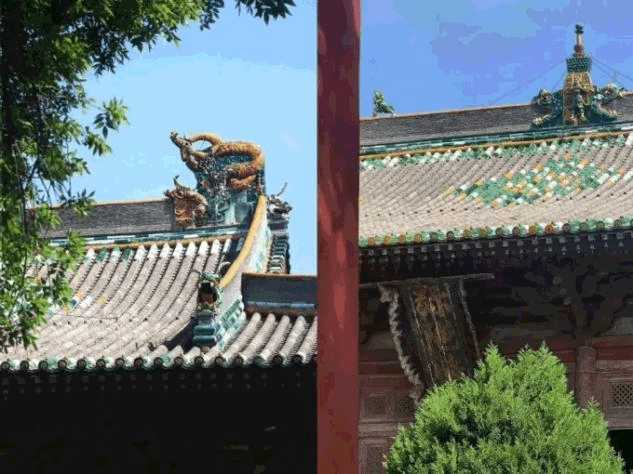
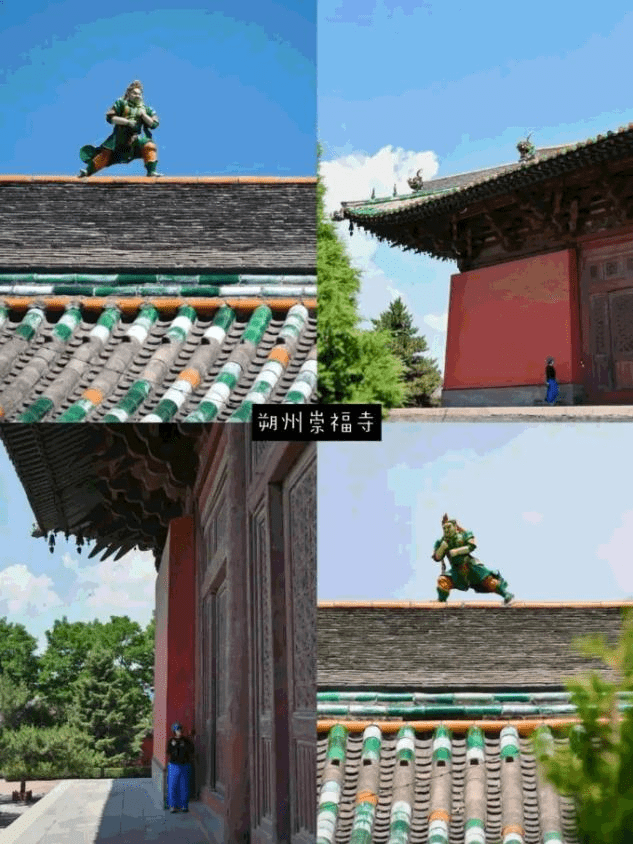
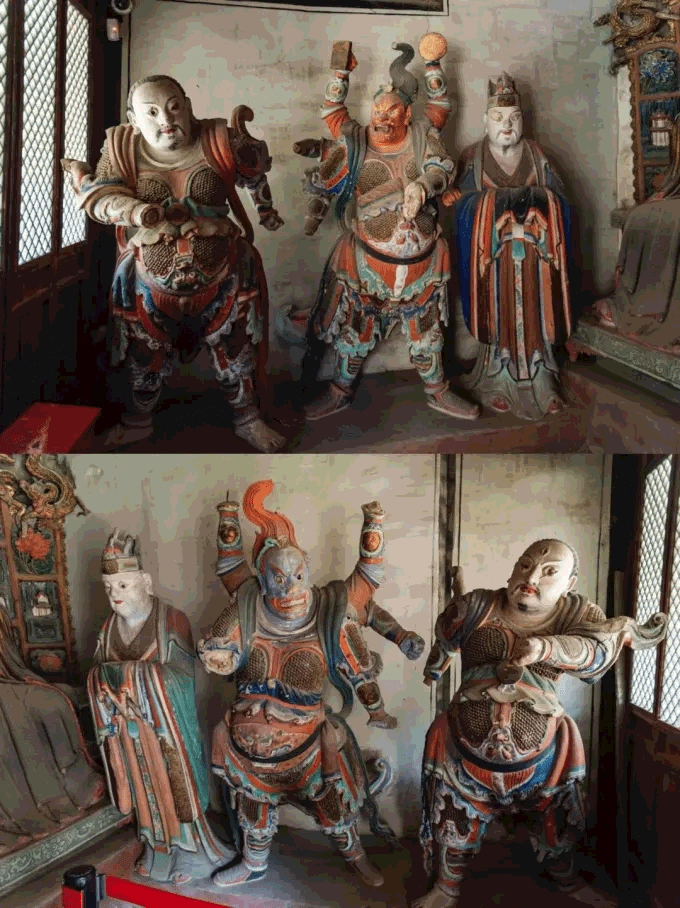
Commonly known as the Big Buddha Temple, it was first built in the Tang Dynasty and has been rebuilt many times since then. Among the remaining buildings, the Amitabha Hall and the Guanyin Hall are relics of the Jin Dynasty, the Vajra Hall is a relic of the Qing Dynasty, the mountain gate is a reconstruction, and the rest are relics of the Ming Dynasty.
The Amitabha Hall is the main hall of Chongfu Temple. It is built on a 2.5-meter-high platform. In terms of size alone, it is second only to the Main Hall of Huayan Temple among the Jin Dynasty buildings.
The plaques, statues, murals, carved doors and windows, and glazed ridge decorations of the Amituo Hall are all original from the Jin Dynasty and are known as the "Five Wonders of the Jin Dynasty".
Foguang Temple - Wutai County, Xinzhou City
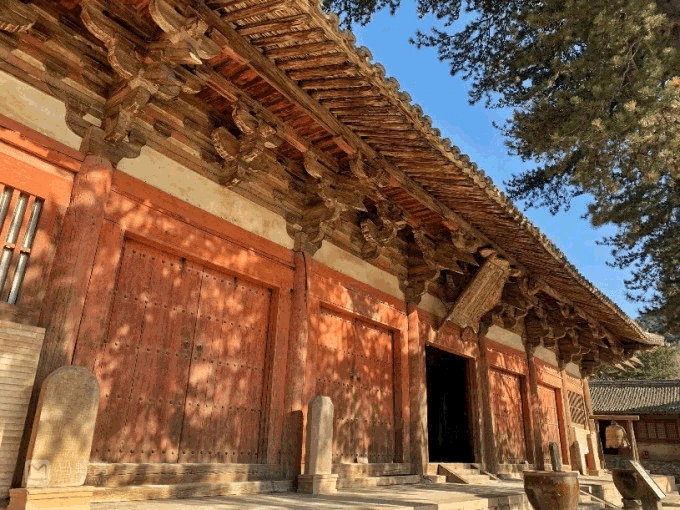
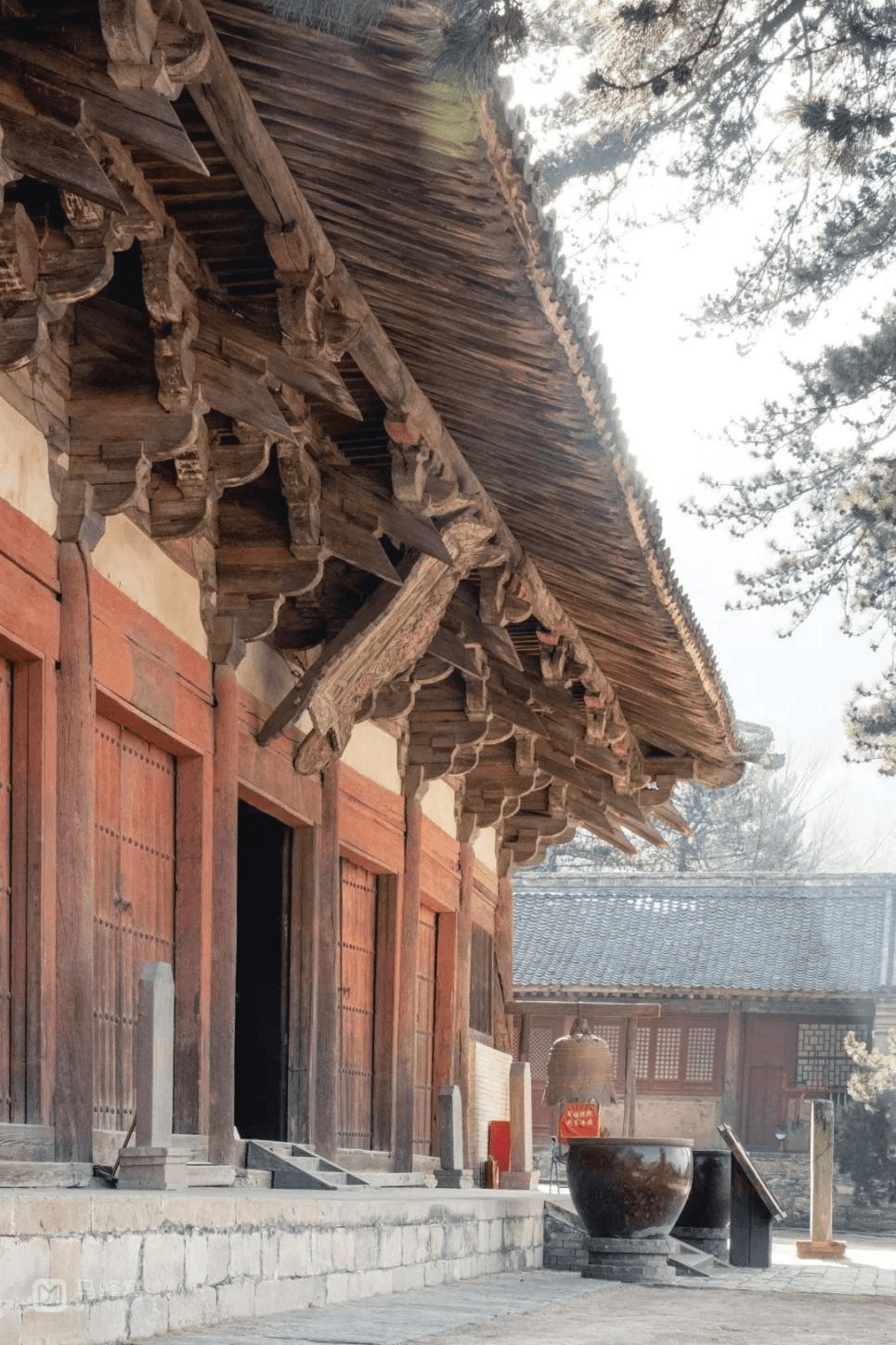
Foguang Temple was first built in the Northern Wei Dynasty and was rebuilt several times after being destroyed. The existing East Hall of Foguang Temple was rebuilt in the Tang Dynasty and is the largest and most advanced existing wooden structure of the Tang Dynasty.
The East Hall has a typical Tang Dynasty architectural style. Liang Sicheng called it "magnificent brackets and deep eaves." The main hall is supported only by crossbeams under the ridge purlin, which is the only example of this method used in existing ancient buildings.
The East Hall of Foguang Temple, together with the Tang Dynasty statues, murals and inscriptions inside the hall, are known as the "Four Wonders" and were praised by Liang Sicheng as "the first treasure of ancient architecture in China."
Nanchan Temple - Wutai County, Xinzhou
Read Next: Want to explore more of Shanxi’s hidden gems? Our Zhenguo Temple Guide covers one of Pingyao’s oldest temples, and Shui Lu An is a must-see for ancient Chinese art lovers.
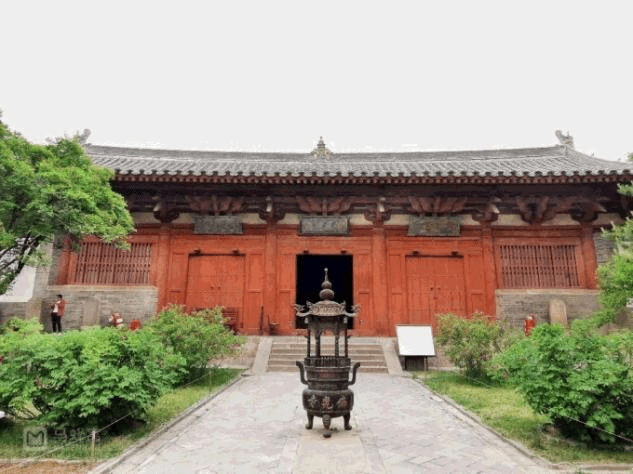
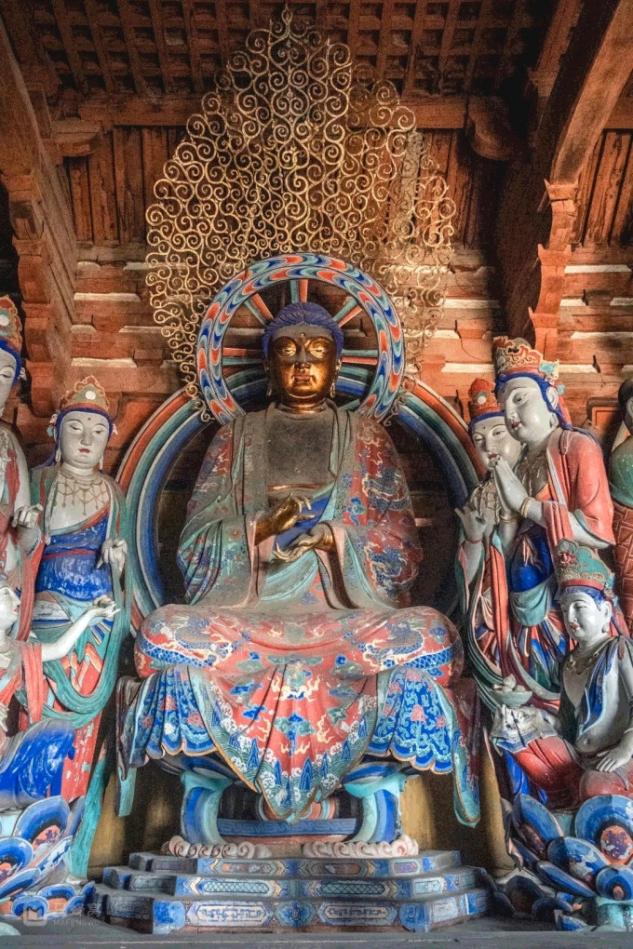
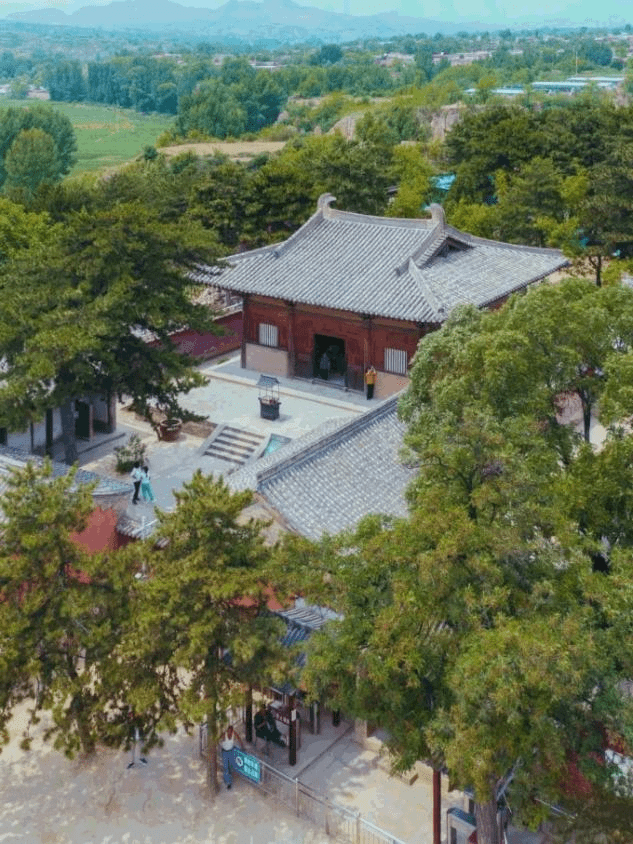
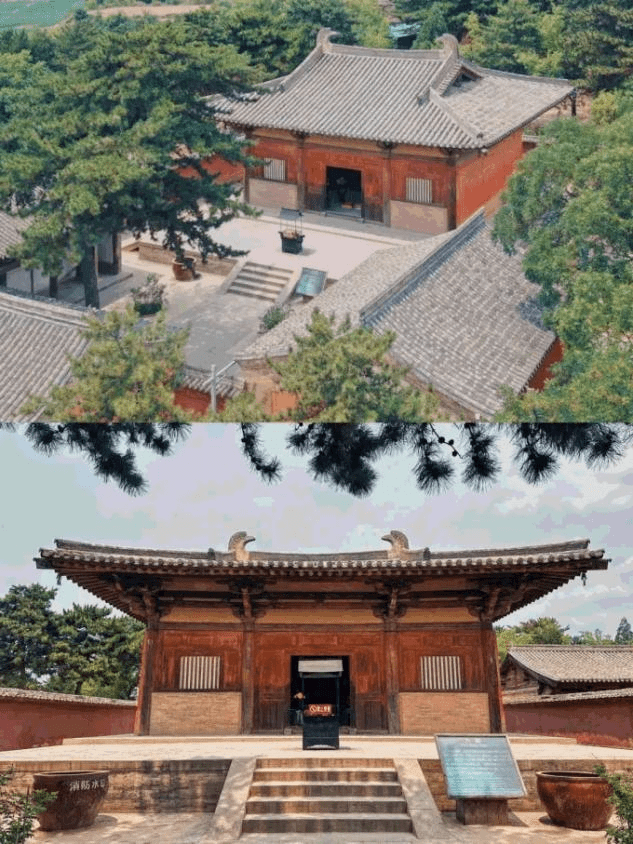
The existing Nanchan Temple main hall was built in 782 AD, with a history of more than 1,200 years. It is the oldest wooden structure in China, 75 years earlier than the East Hall of Foguang Temple.
The main hall of Nanchan Temple has a total of 12 eaves columns that support the weight of the roof. The walls do not bear any weight and only serve to separate the inside and the outside. The roof of the main hall is the most gentle among all the ancient buildings in the country, and is very much in the style of the Tang Dynasty.
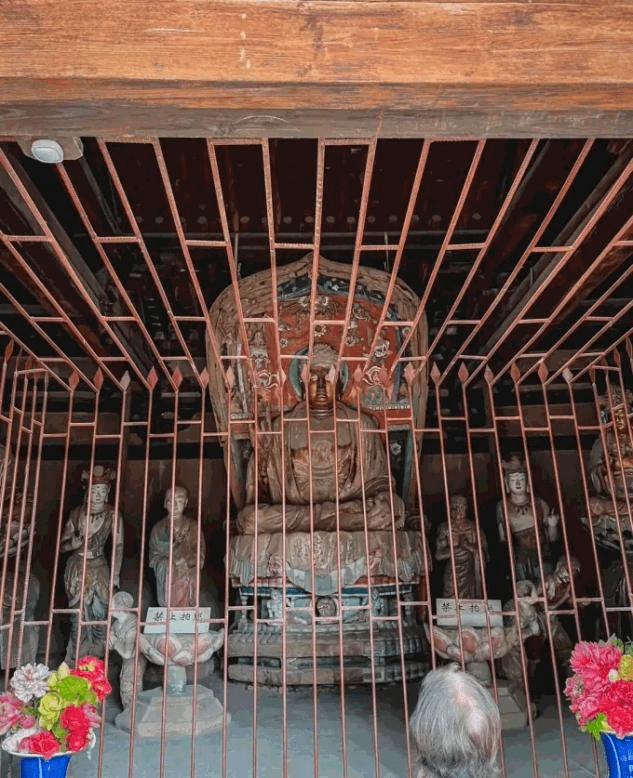
The Tang Dynasty statues enshrined in the main hall are the earliest existing Buddhist statues in China, except for the Mogao Grottoes in Dunhuang, and are extremely precious. In addition, there are three stone lions and a stone pagoda in Nanchan Temple, all of which are relics from the Tang Dynasty.
The Manjusri Hall of Foguang Temple is the only existing building with a gabled roof among the ancient buildings from the Tang, Song, Liao and Jin dynasties. The seven statues on the altar in the Manjusri Hall are typical of the Jin Dynasty statue style and are the earliest existing seven statues of Manjusri.
Zhenguo Temple - Pingyao County, Jinzhong City
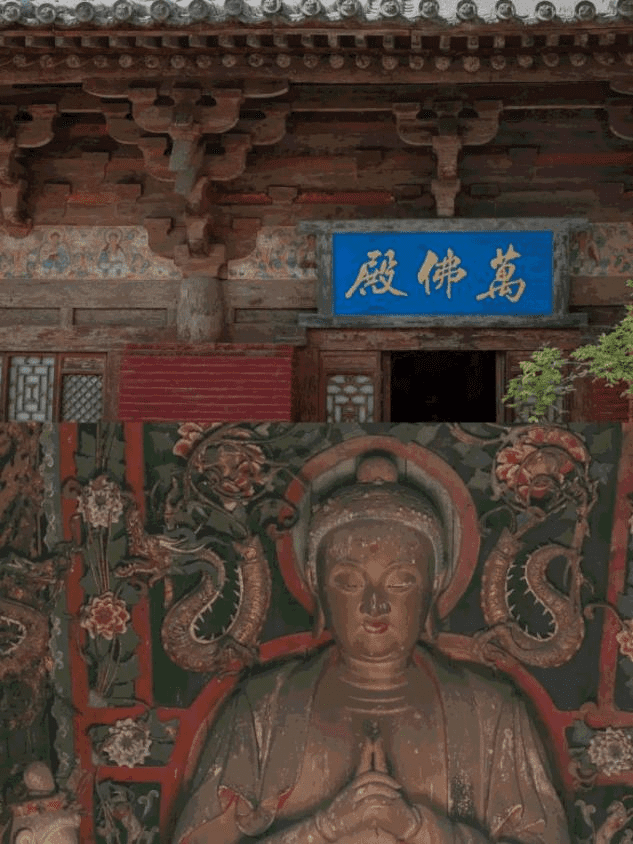
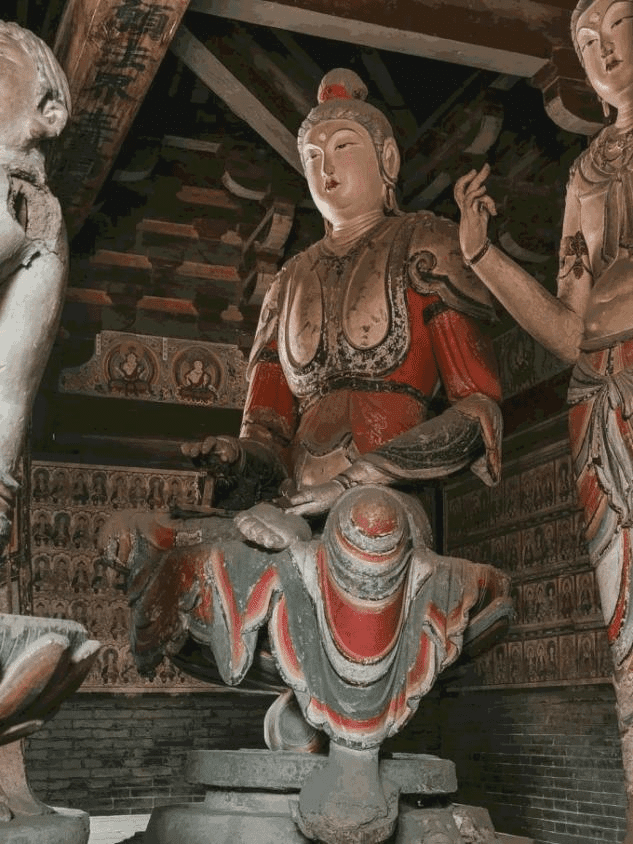
The Hall of Ten Thousand Buddhas in Zhenguo Temple is a relic of the Northern Han Dynasty during the Five Dynasties and Ten Kingdoms period. It has a strong Tang Dynasty style and uses fourth-grade materials as specified in the "Yingzaofashi". The ratio of brackets to column heights is over 2 to 3, exceeding that of the East Hall of Foguang Temple.
There are 11 colored sculptures from the Five Dynasties in the Hall of Ten Thousand Buddhas, which are the only Five Dynasties works preserved in temples and halls across the country.
Shuanglin Temple - Pingyao County, Jinzhong
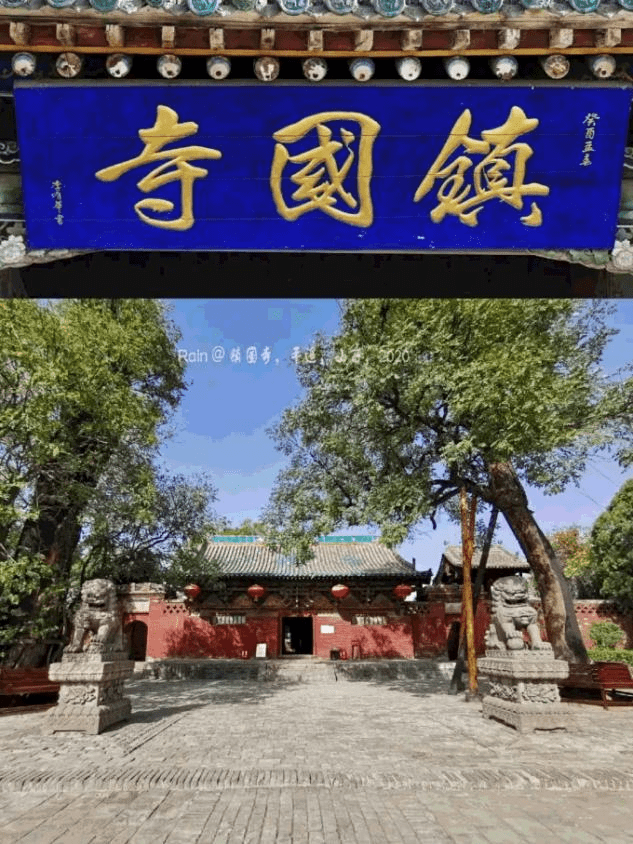
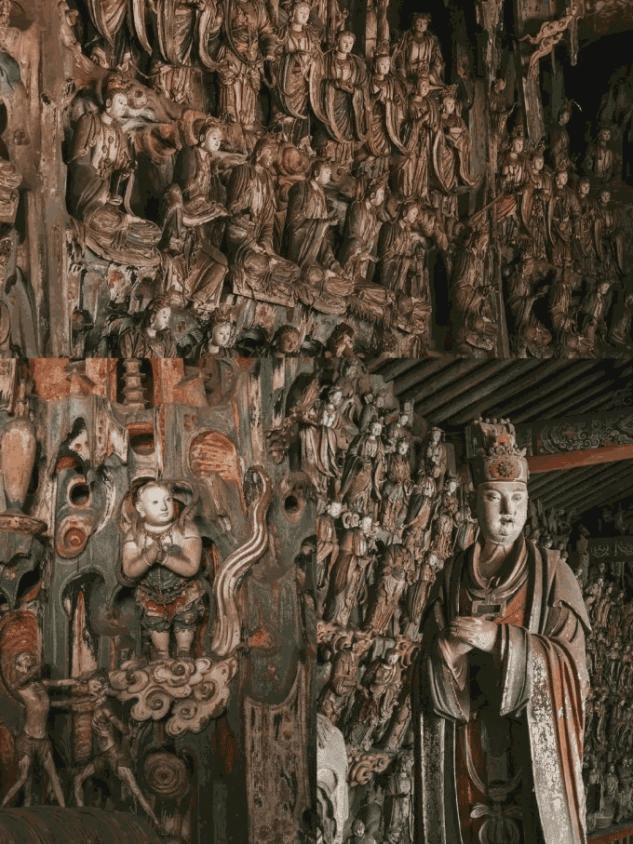
Shuanglin Temple was built in the Northern Dynasties. It was originally named Zhongdu Temple and was renamed Shuanglin Temple in the Song Dynasty. The Tang Dynasty locust tree, Song Dynasty stele, Ming Dynasty bell, murals, and colored sculptures in the temple are all rare treasures.
But the most precious are the 2,056 painted clay sculptures, which are known as the "Treasure House of Oriental Painted Sculpture Art" for their large number, complete preservation, ingenious conception and exquisite craftsmanship.
Xixian Xiaoxitian - Xixian, Linfen City
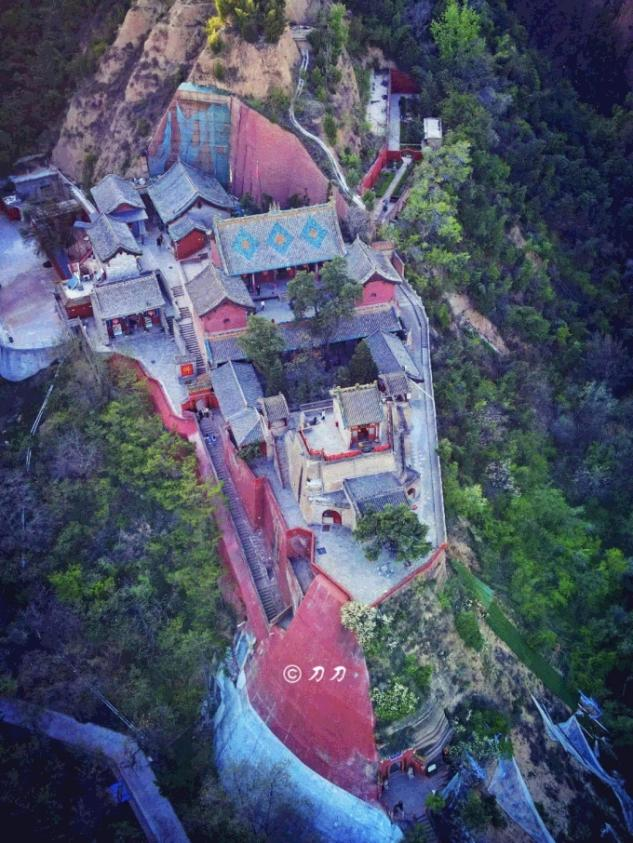
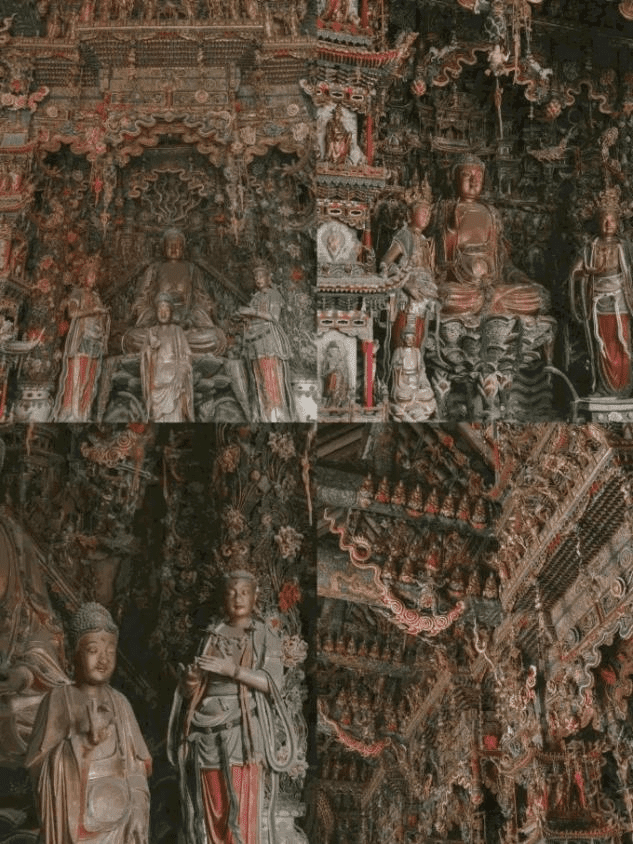
Xixian Xiaoxitian, also known as Qianfo Temple, is located on the top of Fenghuang Mountain west of Xixian County, Linfen City. It is a Buddhist Zen temple founded in the second year of Chongzhen in Ming Dynasty.
Xiaoxitian Temple is not big overall, with 12 remaining halls in the temple. The most exciting part is the exquisite hanging sculptures left in the Main Hall. In the hall of only 169.6 square meters, there are more than 1,030 colored sculptures arranged around five main statues. It is known as the "masterpiece of hanging sculptures" in the history of Chinese sculpture art.
Guangsheng Temple - Hongdong County
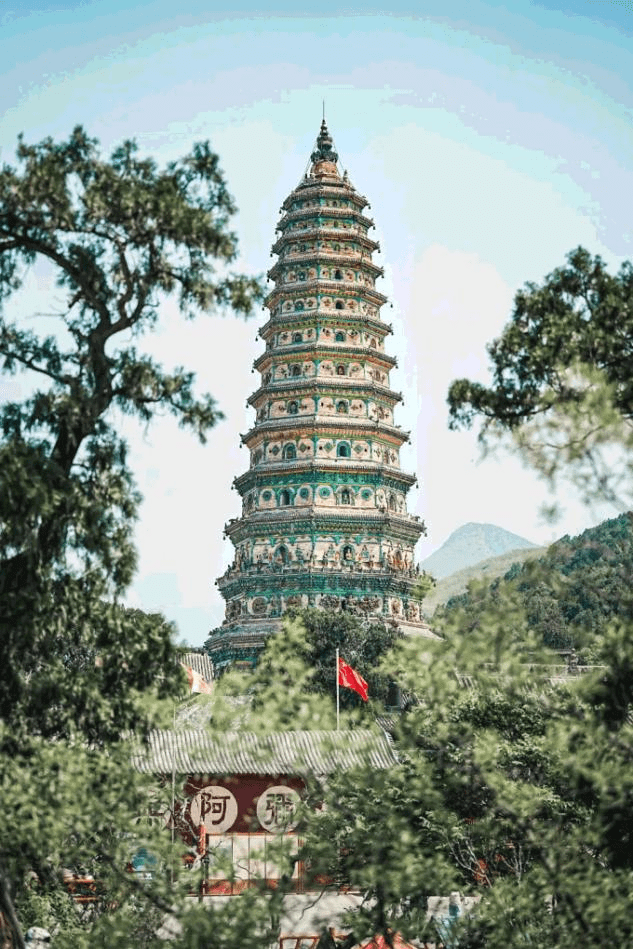
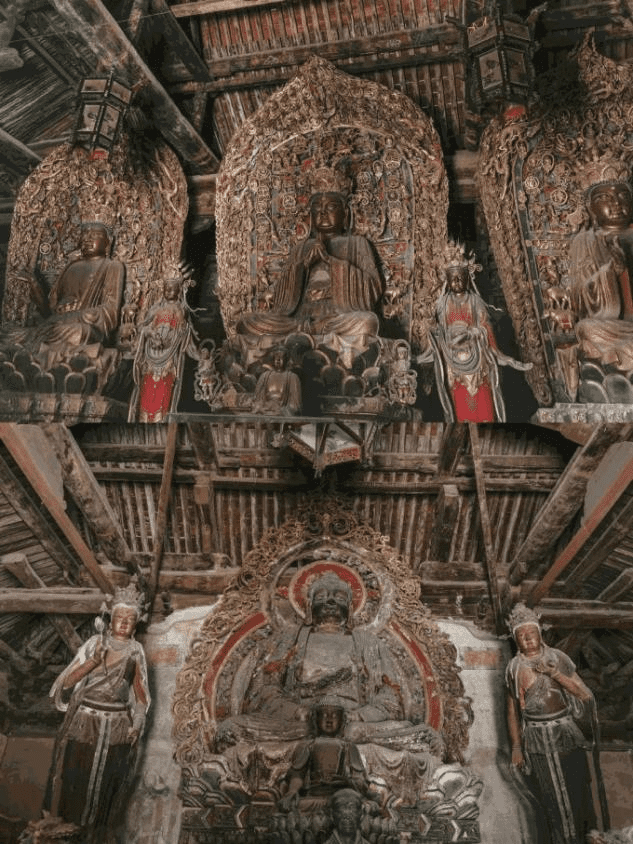
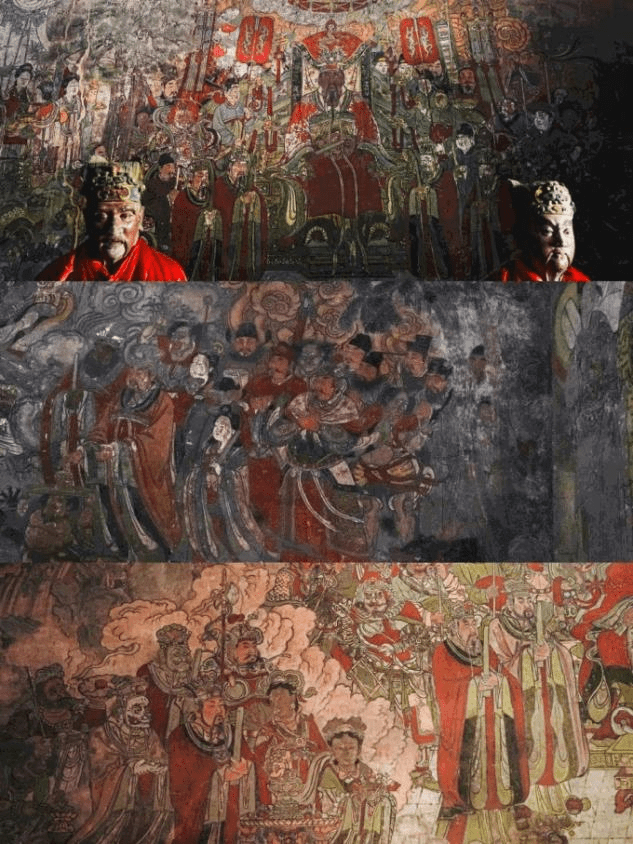
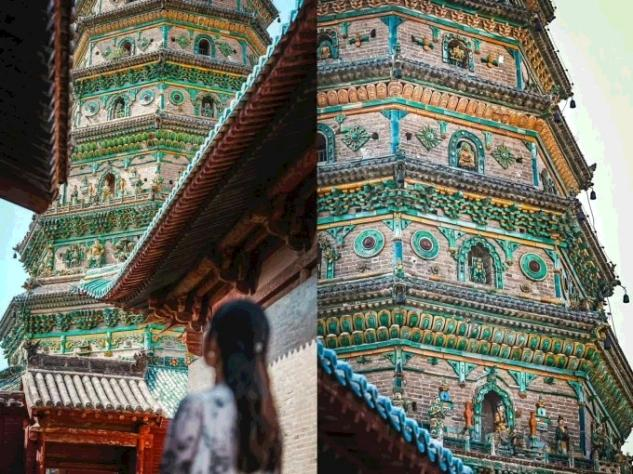
Guangsheng Temple has three unique features: the world's tallest glazed tower, the only opera mural from the Yuan Dynasty, and the "Zhaocheng Golden Collection" discovered here, all of which are extremely precious national treasures.
Feihong Tower is the only glazed tower with inscriptions left by craftsmen in China so far. It was built in the sixth year of Jiajing in the Ming Dynasty. The tower is 47.31 meters high. The tower body above the second floor is inlaid with colorful glazed decorations. There are brackets, beams, lotus, Bodhisattva, birds and animals and other components and patterns on the glazed tiles. Each floor of the tower body is decorated with a theme, from the palace of heaven to the auspicious beast Qilin, which is extremely exquisite.
There are three large halls behind the Feihong Pagoda, all of which are wooden structures from the Ming Dynasty. The Amitabha Hall is worth mentioning, where statues of the Three Holy Ones of the West are enshrined. The Zhaocheng Sutra Collection, a Jin Dynasty Buddhist canon that shocked the world, was once kept in the scripture cabinets on both sides of the hall.
The Mingyingwang Hall of the Water God Temple was built around 1320 during the Yuan Dynasty. The four walls of the hall are covered with Yuan Dynasty murals covering nearly 200 square meters. It is the only example of murals in ancient my country that are not about Buddhism or Taoism.
Guanyin Hall - Luzhou District, Changzhi City
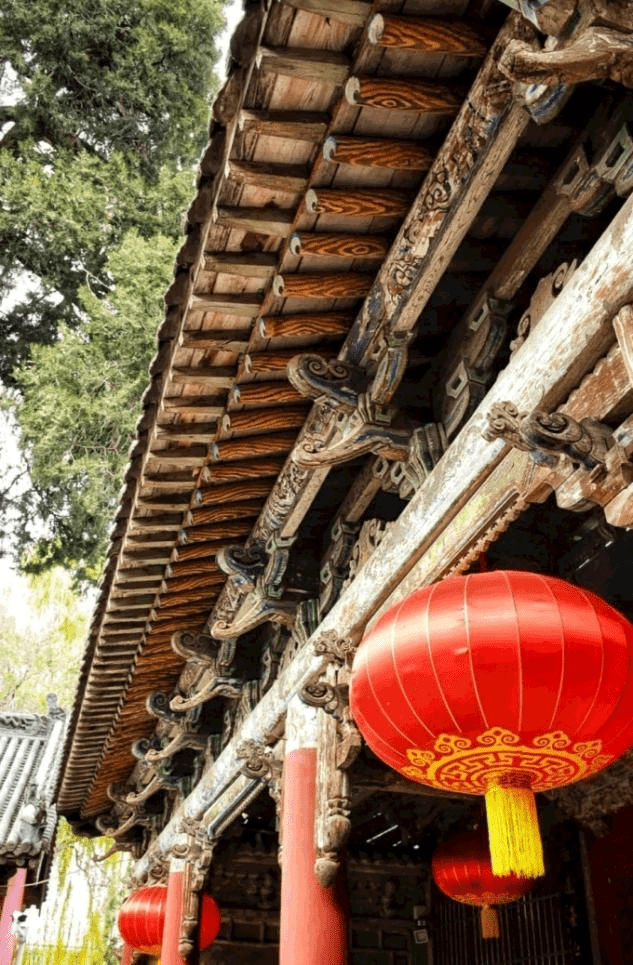
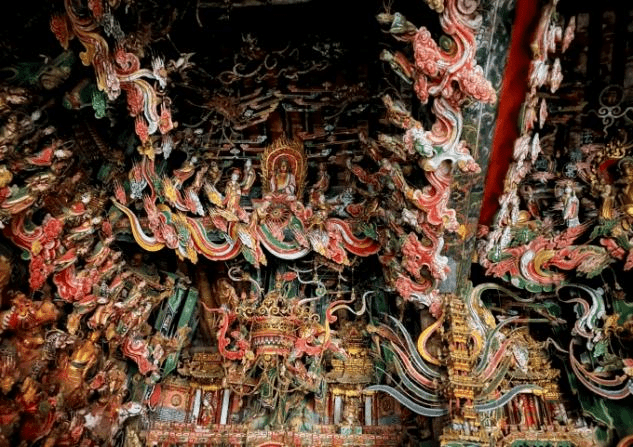
According to the records on the stele, it was founded in the tenth year of Wanli in the Ming Dynasty and rebuilt in the Qing Dynasty. It has a two-courtyard layout and faces east and west. There are three Heavenly King Halls, with bell and drum towers on both sides. The front is the Guanyin Hall. In the center of the hall is a sitting Guanyin, surrounded by the Eighteen Arhats, and 24 gods are carved on both sides.
The most worth seeing colored sculptures in the Guanyin Hall must not be missed. They are the three small statues on the top of the horizontal beam in the middle of the hall. From right to left, they are Confucius, Sakyamuni Buddha, and Laozi, representing the ancient folk beliefs of Confucianism, Buddhism, and Taoism. There are nearly a thousand statues of various sizes around them, all of which are suspended sculptures.
Chongqing Temple - Changzi County, Changzhi City
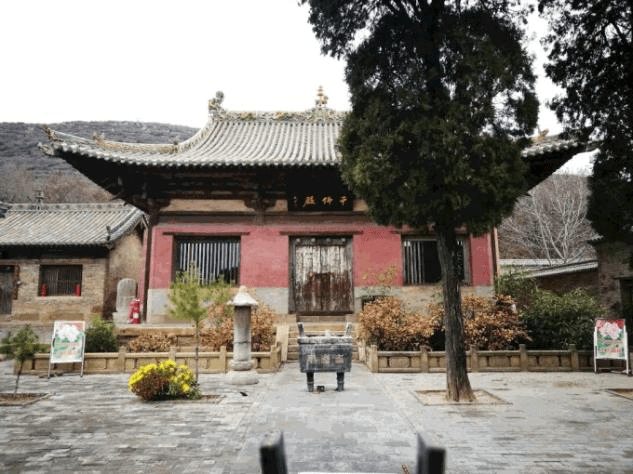
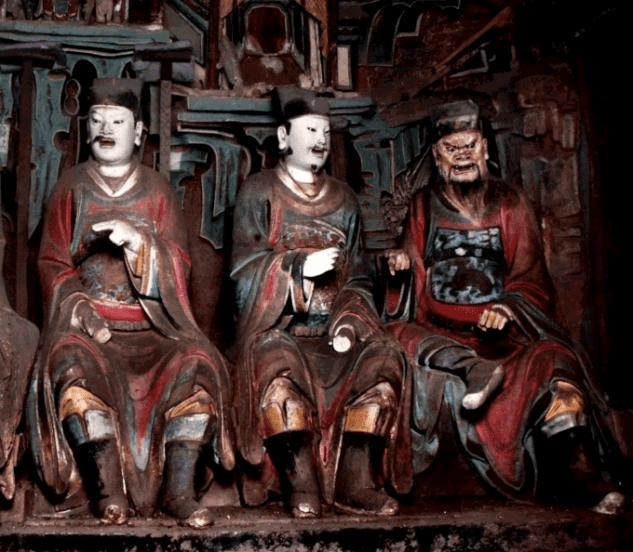
Chongqing Temple was first built in the Song Dynasty. Among the existing buildings, the Thousand Buddha Hall is a relic of the Song Dynasty, the Three Great Bodhisattvas Hall is from the Jin Dynasty, the Yama Hall is from the Ming Dynasty, and the rest are from the Qing Dynasty.
The statues of the Three Bodhisattvas and Eighteen Arhats in the Bodhisattva Hall were originally works from the Northern Song Dynasty. They were modified many times by later generations, and the Three Bodhisattvas have become in the style of the Ming and Qing Dynasties, but several statues of the Eighteen Arhats still retain the original craftsmanship.
Qinglian Temple - Zezhou District, Jincheng
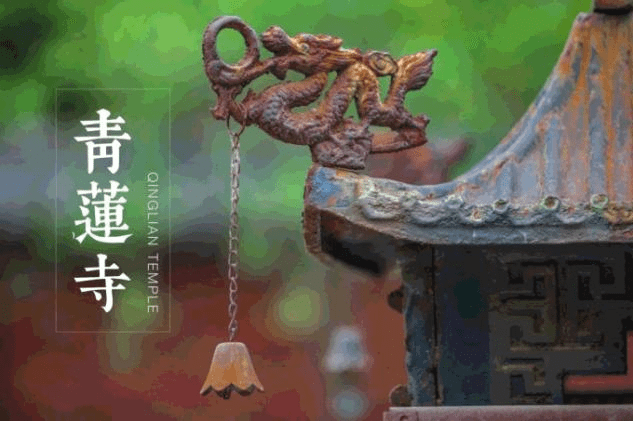
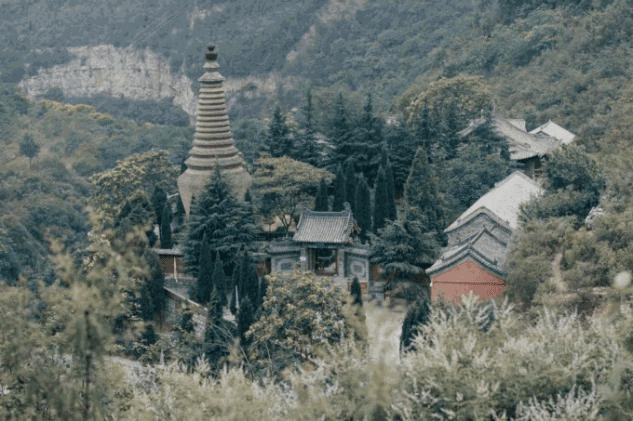
Qinglian Temple was built during the Tianbao period of the Northern Qi Dynasty. The founders were the eminent monks Tanshi and Huiyuan. After the Tang Dynasty, it was expanded in successive dynasties. It is divided into two courtyards: the ancient temple and the upper temple.
The ancient temple is located at the bottom. On the east side is a brick Tibetan stupa, which was built during the Wanli period of the Ming Dynasty and is the only Tibetan stupa in Jincheng City.
On the west side is a stone tomb stupa of Master Huifeng from the Tang Dynasty.
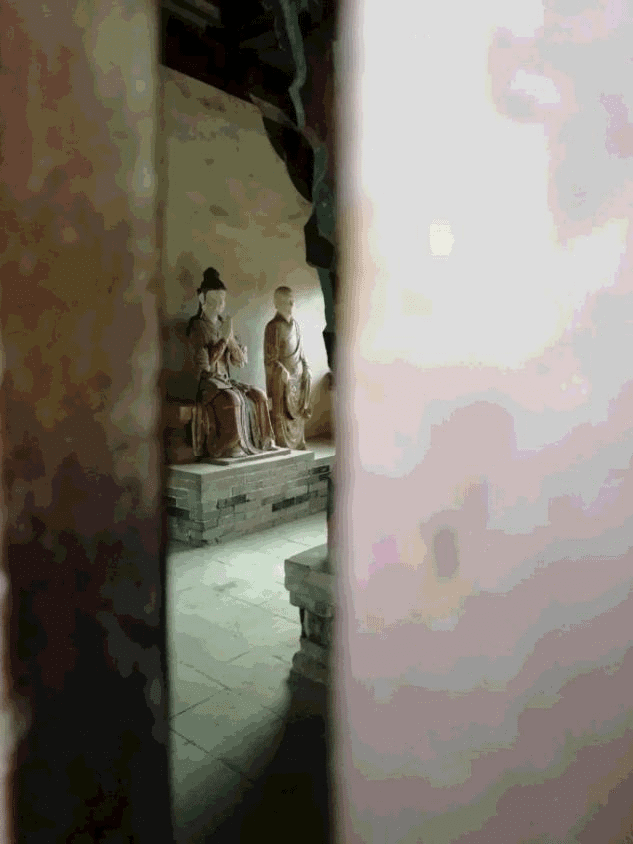
The main hall contains the Maitreya Buddha, Manjusri, Samantabhadra, Ananda, two disciples of Kasyapa, and the Bodhisattva of Offering from the Qinglian Temple of the Tang Dynasty. These are six of the more than 70 Tang Dynasty statues in three existing temples and monasteries in the country, and are rare art treasures.
There are 12 colored sculptures in the South Hall, five of which are from the Song Dynasty.
Jade Emperor Temple - Zezhou County, Jincheng
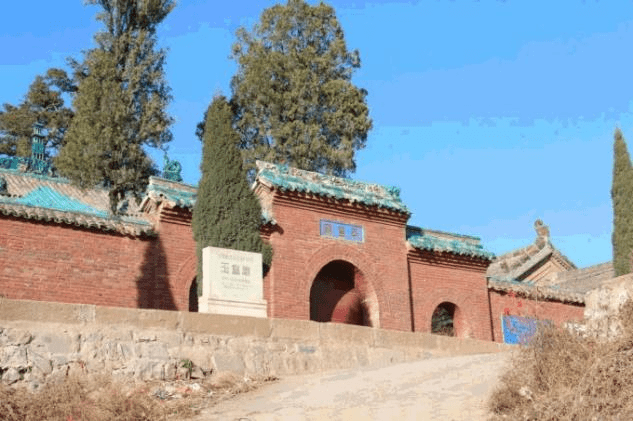
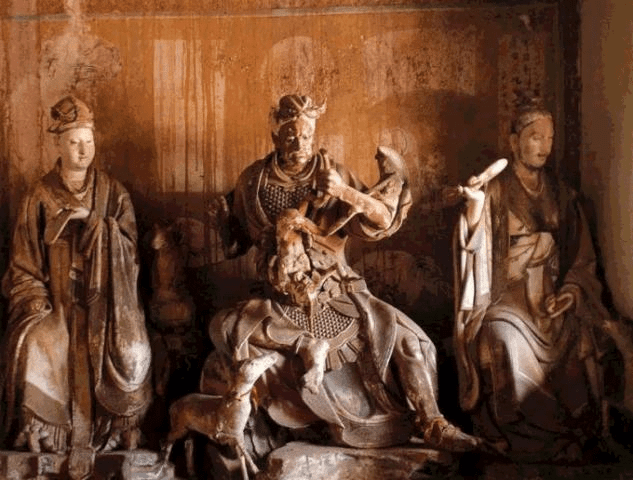
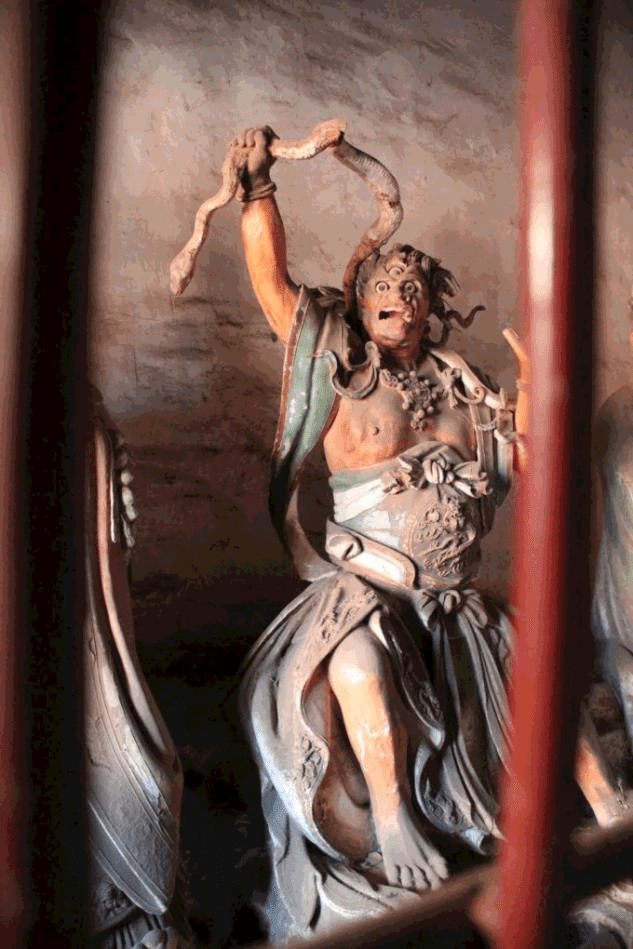
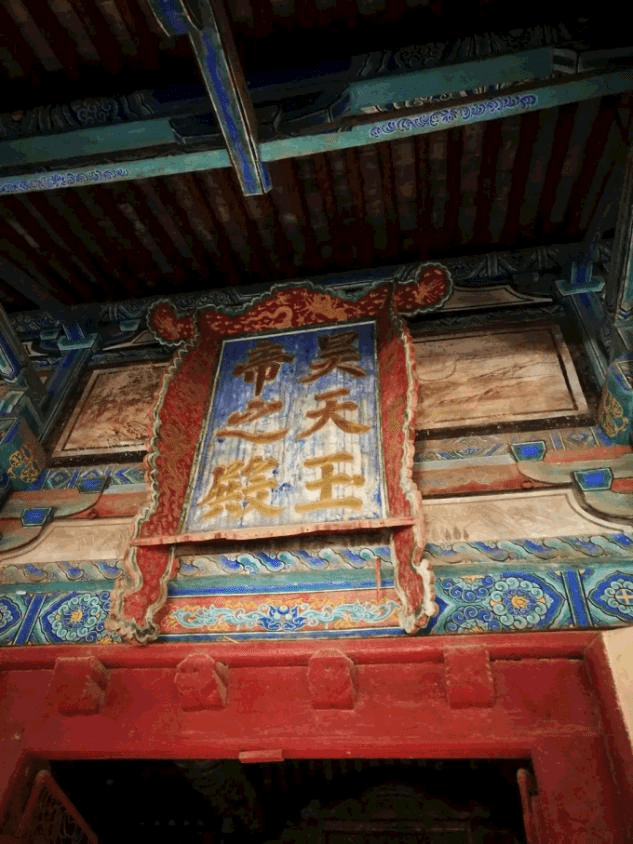
The Jade Emperor Temple, which is located on a high ground, is the largest Taoist temple in ancient Zezhou. The founding date is unknown, and the existing buildings date from the Song Dynasty to the Qing Dynasty. The colored sculptures from the Song, Jin and Yuan dynasties collected in the temple have extraordinary ornamental and cultural relic value.
The main hall, the Jade Emperor Hall, was built in the Jin Dynasty. The glazed components on the roof ridge are decorated with twenty-eight constellations, which shine brightly in the sun. The eight rooms south of the West Veranda Hall are the Twenty-Eight Constellations Hall, which contains twenty-eight colored sculptures, which are believed to be the works of the Yuan Dynasty sculptor Liu Yuan (also known as Liu Luan), with rich and profound facial expressions.
Ancient astronomers divided the visible stars in the sky into 28 groups, called the Twenty-Eight Mansions. Yuan Tiangang, a Tang Dynasty master of the five elements, combined the 28 mansions with 28 animals and suffixed the name of each mansion with one of the following: sun, moon, gold, wood, water, fire, and earth.
Based on this, the statues of the Twenty-Eight Constellations, which are a combination of human and animal images, represent the highest achievement of ancient Chinese sculpture art. They are the only examples preserved in China to this day and can be called a national treasure.
Mishan Iron Buddha Temple - Jincheng Gaoping City
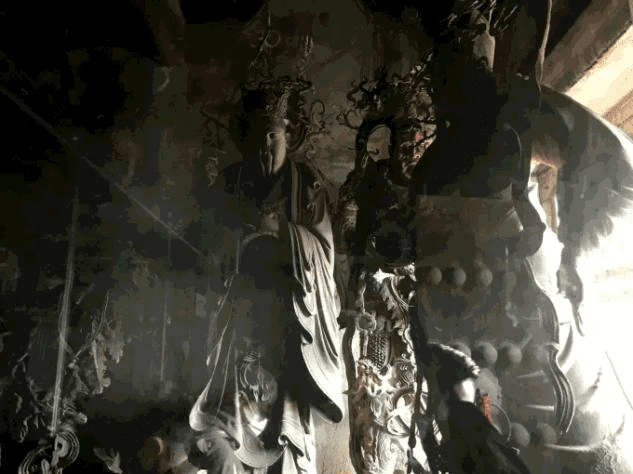
The founding date of Iron Buddha Temple is unknown. The Iron Buddha was cast in gold and the Iron Buddha Temple was rebuilt. The existing buildings are relics of the Ming Dynasty. There are Buddhist altars in the main hall and under the east and west walls. There is a Buddha and two Bodhisattvas in the middle, and the twenty-four gods on both sides. There is a Guanyin sculpture on the fan wall, and more than 30 colored sculptures such as "Journey to the West" are hung behind, all of which are relics of the Ming Dynasty.
Jincheng Erxian Temple- Jincheng Zezhou County
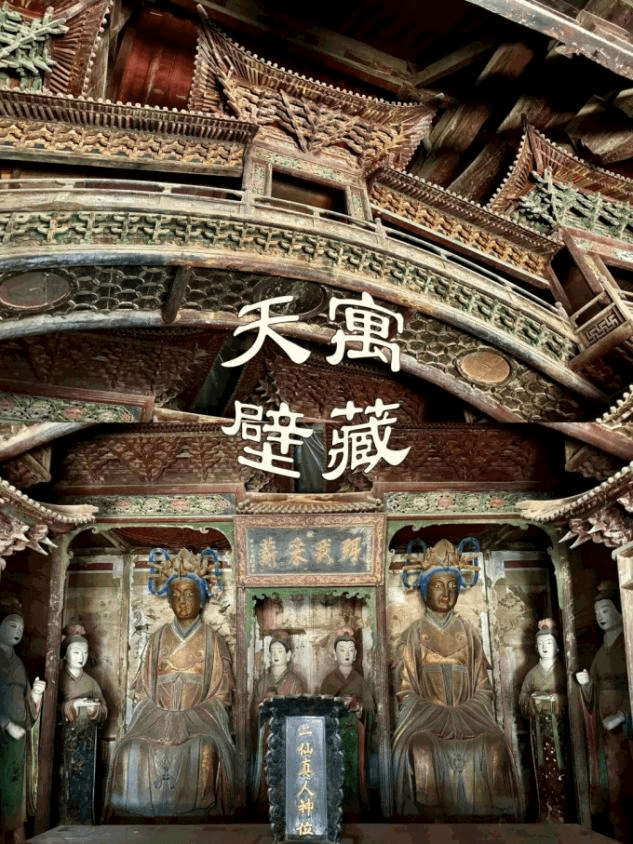
Built in the late Northern Song Dynasty, the small wooden works and sculptures of the Northern Song Dynasty "Heavenly Palace Pavilion" in the temple are masterpieces and rare in the world.
Yongle Palace - Yuncheng Ruicheng County
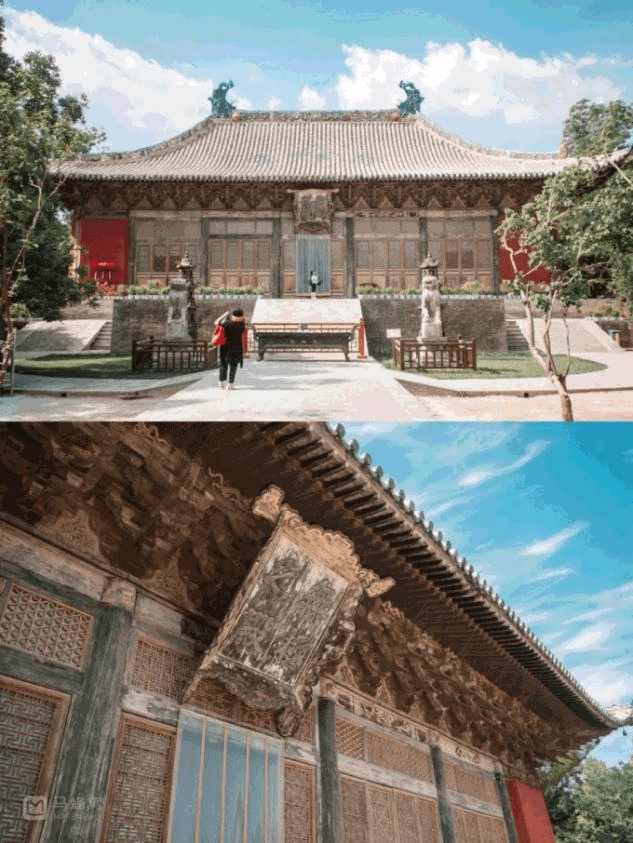
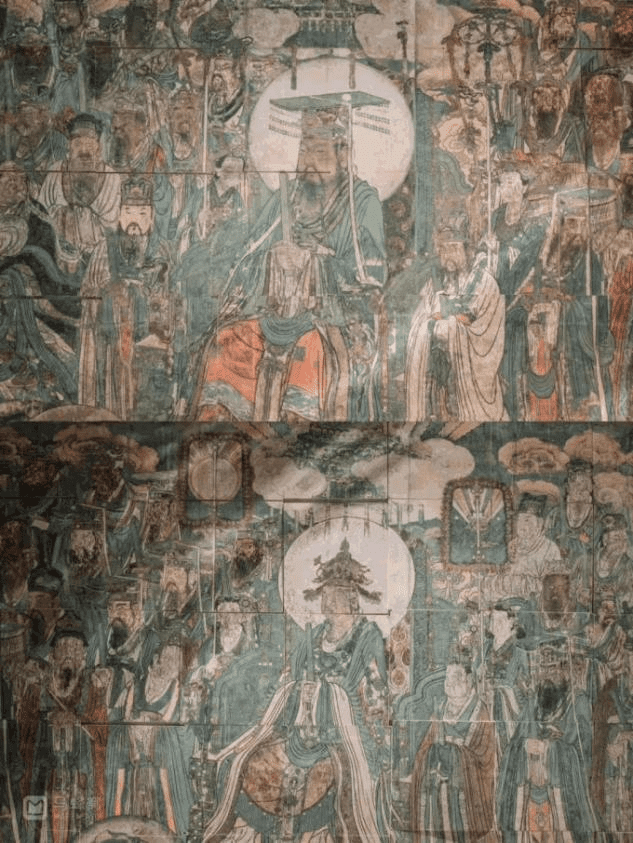
Yongle Palace preserves four wooden structures from the Yuan Dynasty: Dragon and Tiger Hall, Sanqing Hall, Chunyang Hall, and Chongyang Hall. Its architectural structure uses the construction method and the column reduction method of the Liao and Jin Dynasties.
The Yongle Palace is known as the "Oriental Art Gallery". The "Chao Yuan Tu" in the Sanqing Hall shows the grand scene of 290 Taoist gods paying homage to Yuanshi Tianzun. The mural was completed in 1325 AD, nearly 200 years earlier than the European Renaissance.
Guandi Temple - Yuncheng Salt Lake District
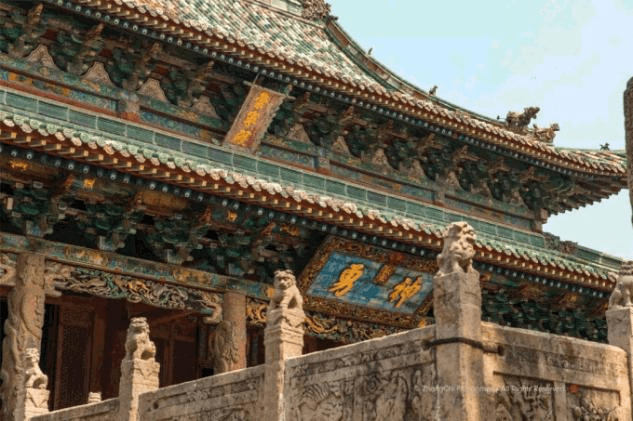
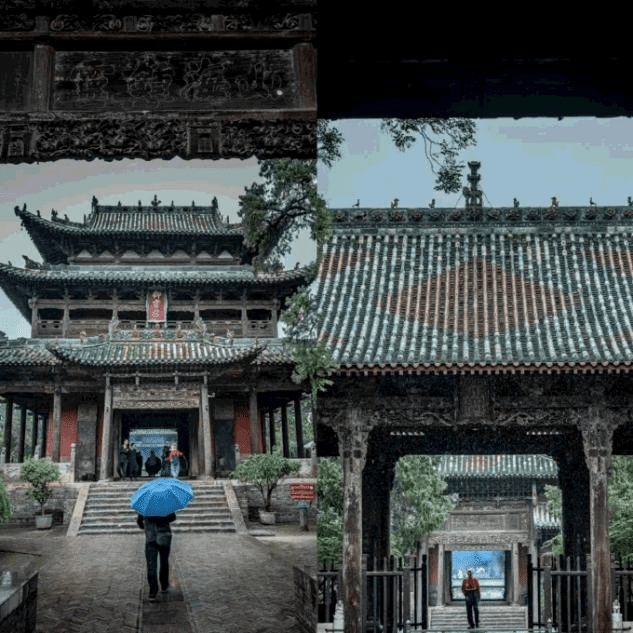
As the hometown of Guan Yu, the Martial Saint, the Jiezhou Guandi Temple in Yuncheng is the earliest, largest, most highly constructed, and best preserved Guandi temple and palace-style Taoist building complex in existence, and is known as the "ancestor of Guandi temples."
The temple is decorated with exquisite wood carvings, brick carvings, stone carvings, colored glaze, iron castings, clay sculptures and painted decorations. There are also plaques left by many emperors, such as Kangxi's "Yi Bing Qian Kun" and Qianlong's "Shen Yong".
Guanque Tower - Yongji City, Yuncheng
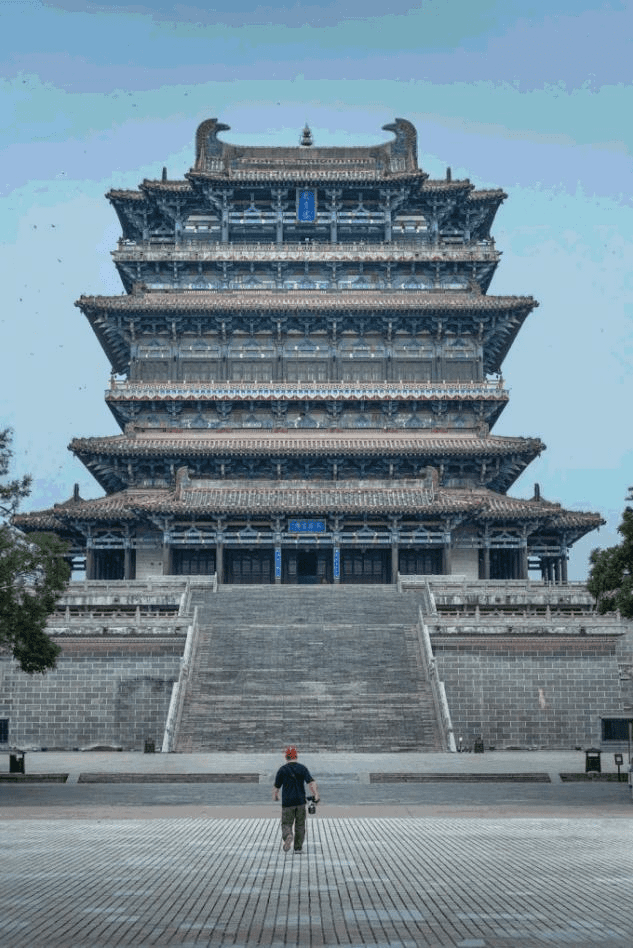
"The sun sets over the mountains, and the Yellow River flows into the sea. If you want to see a thousand miles, climb to a higher floor." The Guanque Tower, one of the "Four Famous Towers in China" and famous at home and abroad for Wang Zhihuan's eternal masterpiece "The Guanque Tower", was first built in the Northern Zhou Dynasty. It has been damaged and rebuilt many times. The existing building is a building rebuilt in 2002 in the style of the Tang Dynasty.
Fusheng Temple - Yuncheng Xinxiang County
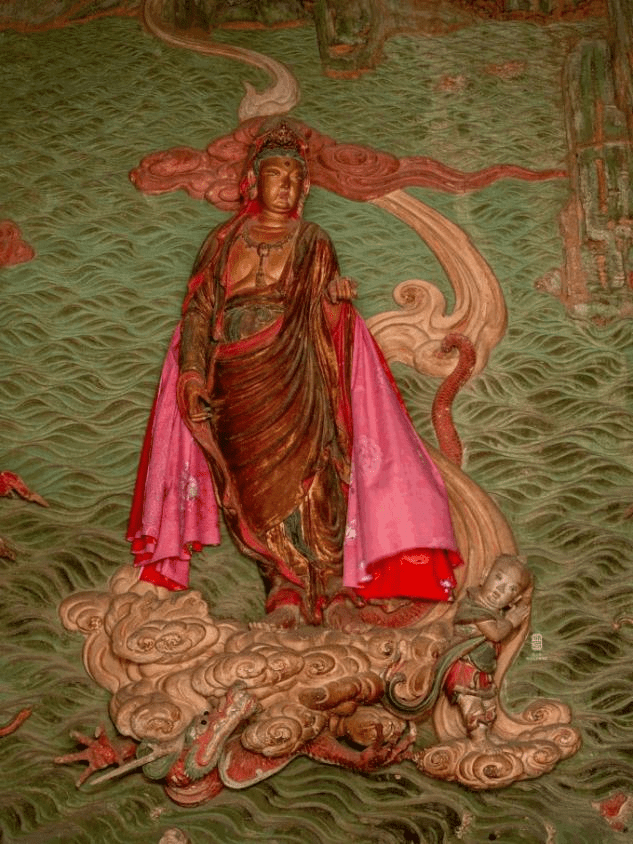
Fusheng Temple was first built during the Zhenguan period of the Tang Dynasty. The buildings in the temple are stacked high and low, and there are colored sculptures from the Song, Jin, Yuan and Ming dynasties in the hall. Among them, the "Guanyin Crossing the Sea" in the main hall is a colored hanging sculpture from the Song Dynasty, which was once rated as the "most beautiful Guanyin".