As the capital of six dynasties, Beijing is a city rich in culinary heritage. This Beijing food guide explores the fusion of Manchu, Han, and Hui influences that define its unique flavors. From imperial cuisine, often called the 'world's finest flavor,' to beloved street food staples like zhajiangmian (noodles with soybean paste) and lu zhu (stewed offal), there’s something for everyone. Follow this guide to savor authentic Beijing dishes at the restaurants locals swear by.
Peking Duck



The History and Styles of Peking Duck
Peking Duck was originally an imperial delicacy, said to be a favorite of Emperor Zhu Yuanzhang, the founder of the Ming Dynasty. When the Ming Dynasty moved its capital to Beijing, master chefs of Nanjing-style roast duck came along, and soon the dish transitioned from being exclusive to the royal court to a popular treat among commoners. Beijing's first Peking duck restaurant, Bianyifang (便宜坊), opened during this period. Over time, two distinct styles of Peking duck emerged: the closed-oven method represented by Bianyifang, and the open-oven method pioneered by Quanjude (全聚德). The closed-oven style produces duck with tender, juicy meat and a seamless connection between skin and flesh, while the open-oven style creates a separation between the crispy skin and the succulent meat for a distinct crunch.
The Art of Eating Peking Duck
When served, the crispy duck skin is often dipped in sugar first—a perfect mix of melting fat and sweetness that is simply irresistible. Next comes the pancake rolling ritual: a thin layer of sweet bean sauce is spread on the soft lotus-leaf pancake, followed by slices of duck, slivers of green onion or garlic, and julienned cucumber or radish. Once rolled, the pancake delivers a mouthful of rich flavors: the fatty duck meat contrasts perfectly with the fresh, crunchy vegetables, making it impossible to stop at just one.
Recommended Restaurants
Siji Minfu (四季民福)
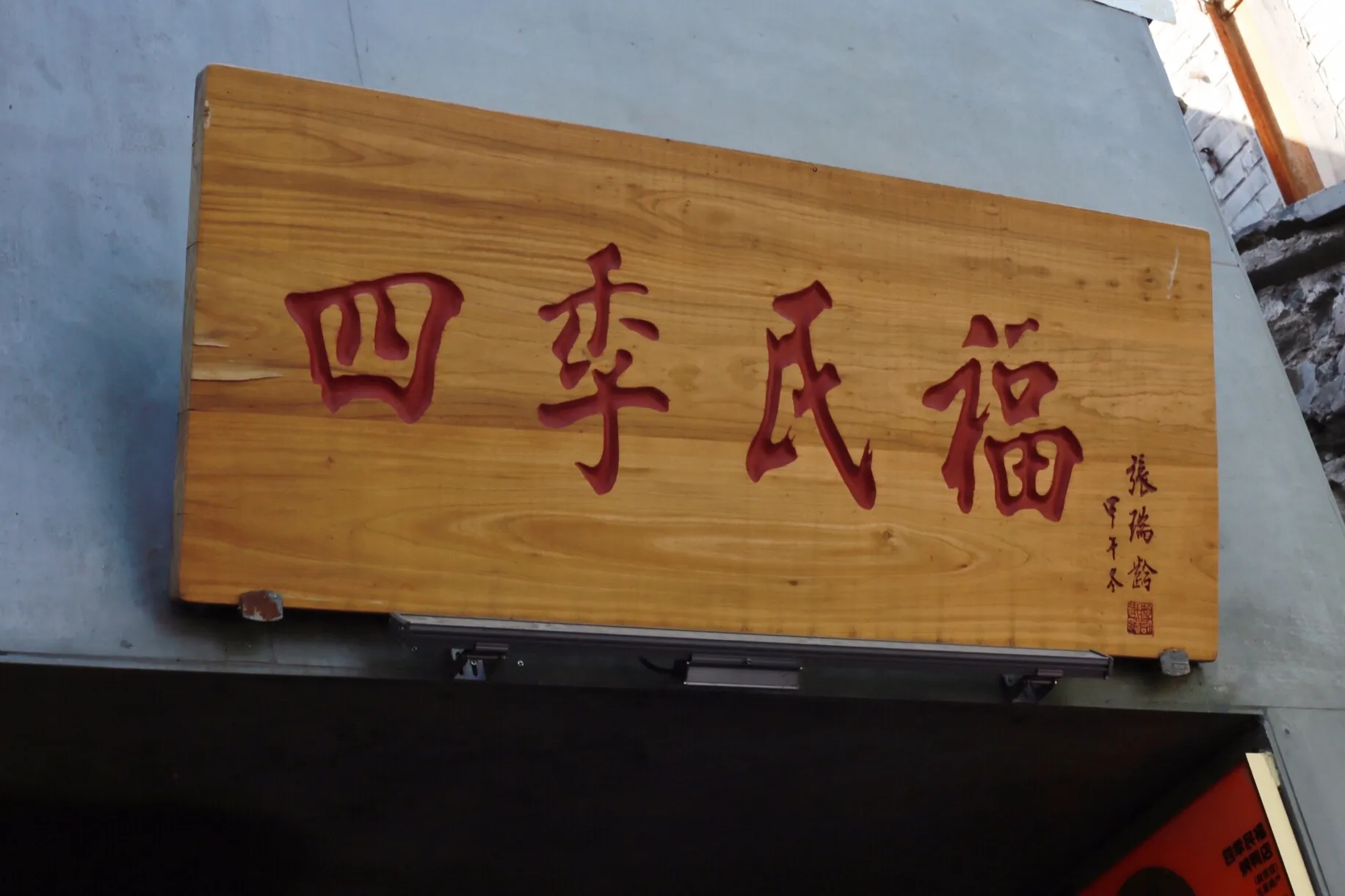
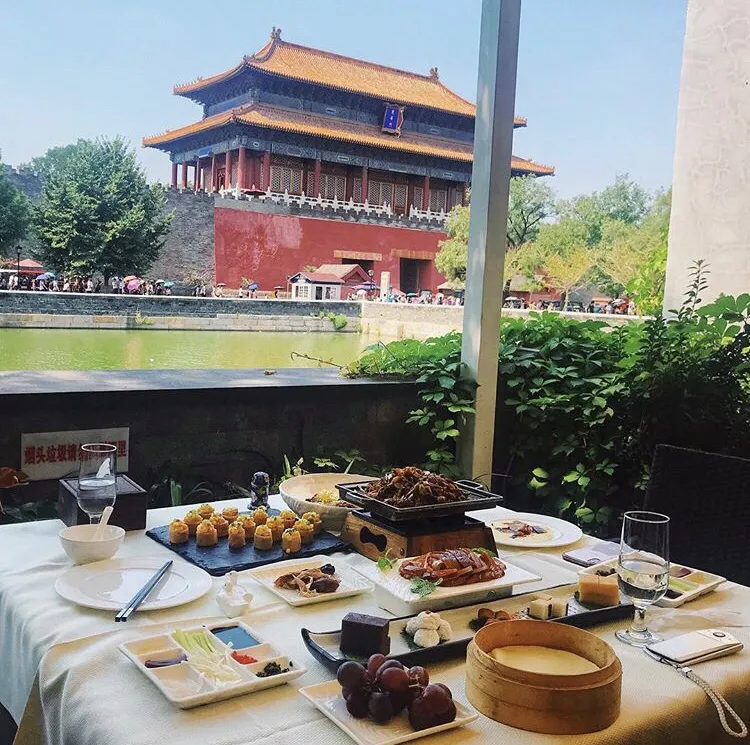
This chain of Peking duck restaurants has branches across major tourist sites and shopping areas in Beijing, with the most popular location by the Forbidden City’s moat. Compared to Beijing's long-established brands, the newer Siji Minfu appeals more to younger diners, thanks to its softer and less greasy roast duck. Besides Peking duck, the menu includes a variety of authentic Beijing dishes like crispy meatballs, Beile roast lamb, and mustard duck web.
This chain of Peking duck restaurants has branches across major tourist sites and shopping areas in Beijing, with the most popular location by the Forbidden City’s moat. Compared to Beijing's long-established brands, the newer Siji Minfu appeals more to younger diners, thanks to its softer and less greasy roast duck. Besides Peking duck, the menu includes a variety of authentic Beijing dishes like crispy meatballs, Beile roast lamb, and mustard duck web.
Shijiu (拾久)
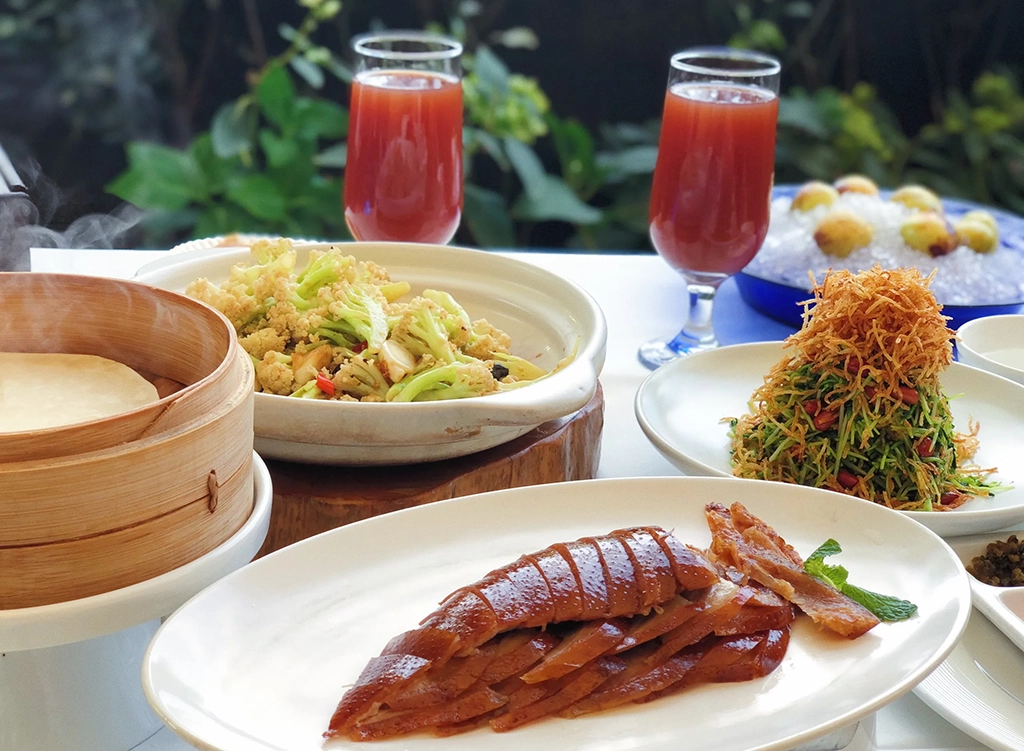
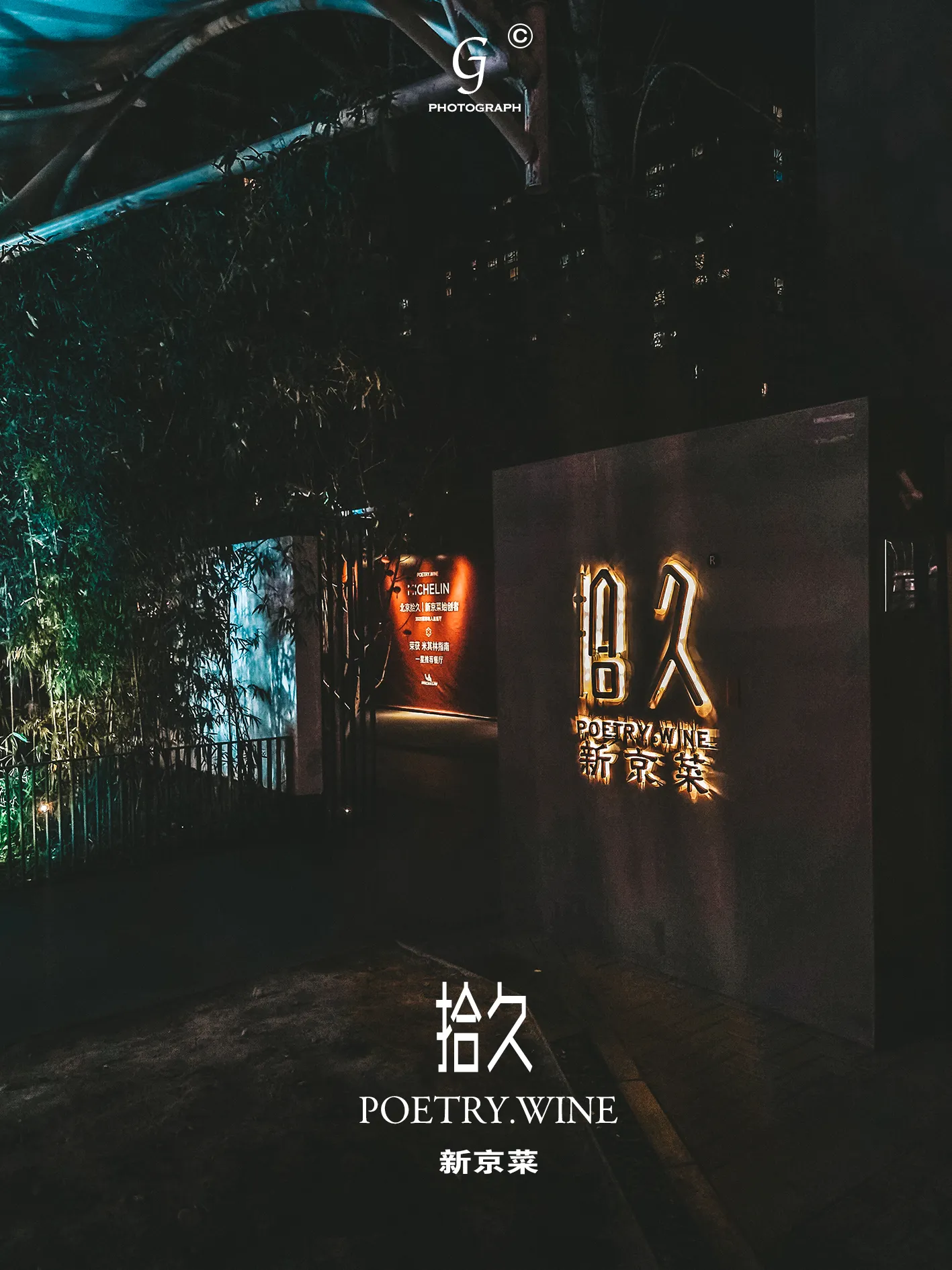
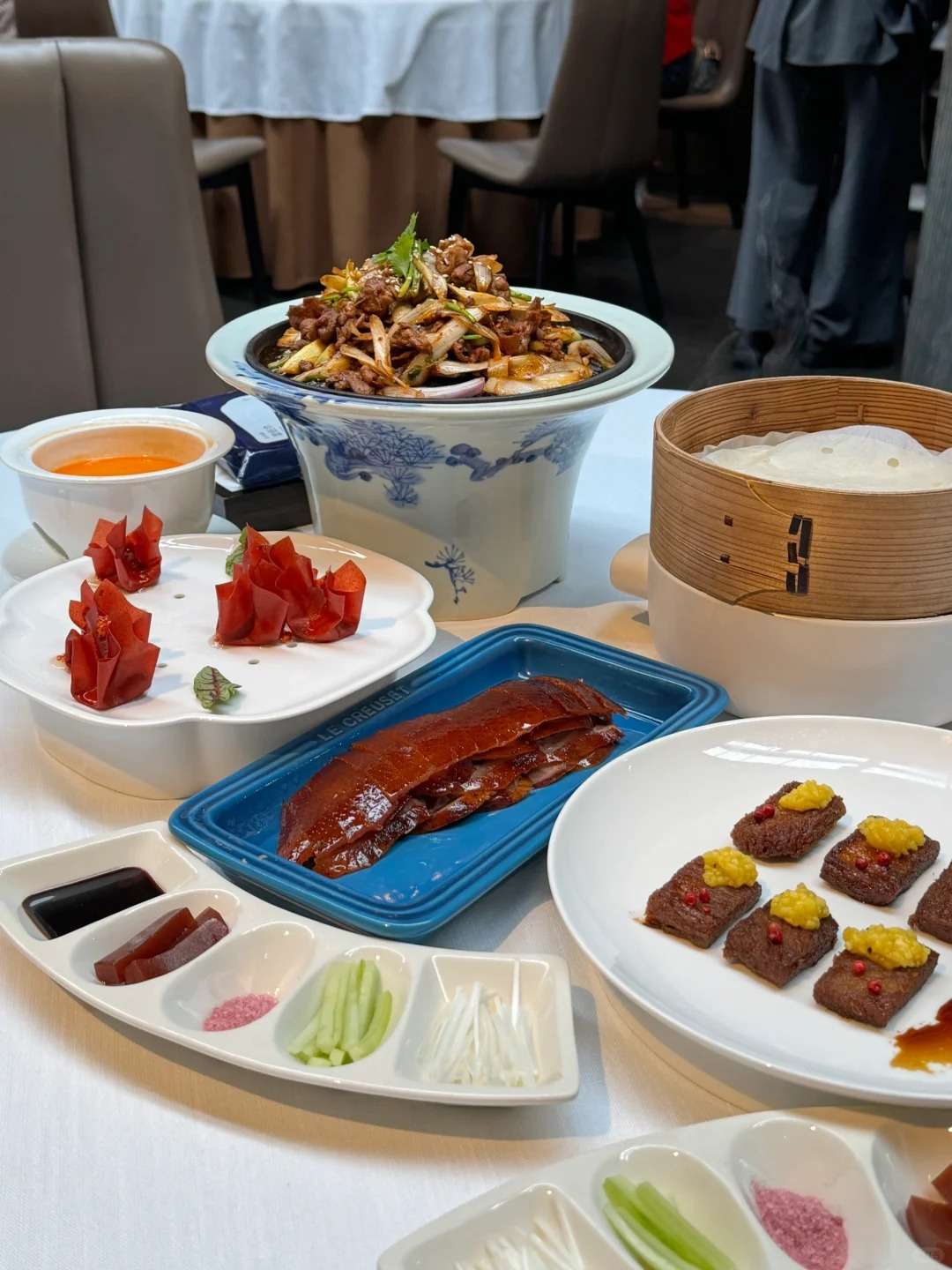
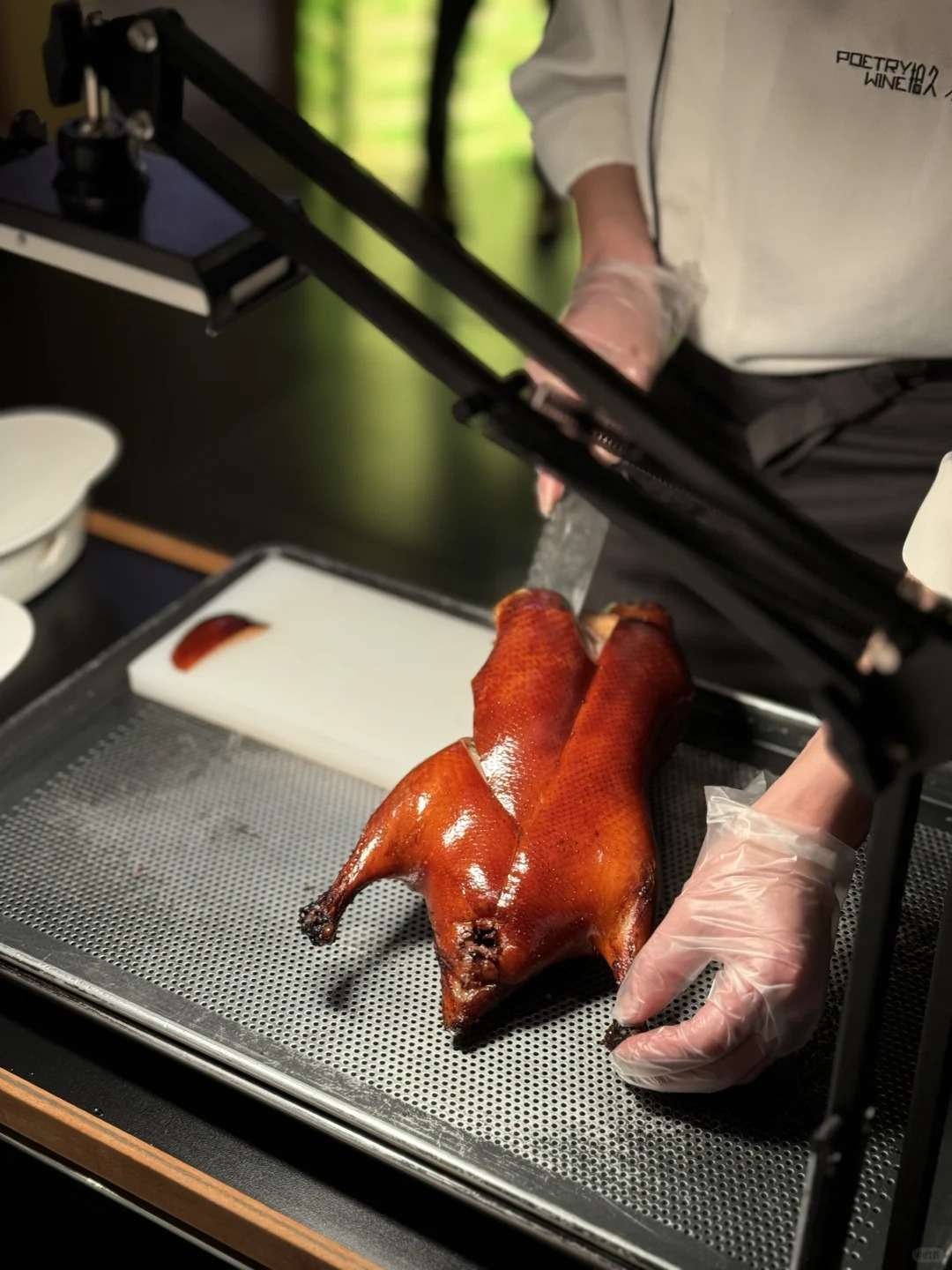
Shijiu is considered a top representative of "new Beijing cuisine," blending traditional recipes with innovative techniques. Their modern take on classic dishes surprises and delights, with even simple offerings like sesame spinach leaving a lasting impression. With its elegant ambiance and impeccable service, Shijiu is an excellent choice for introducing visiting family members to Beijing’s culinary heritage or hosting business dinners in style.
A must-try is their Caviar Peking Duck, which elevates the classic dish to a whole new level. The crispiest duck skin is paired with soft bread and premium caviar, creating a delightful combination of the rich aroma of duck fat, the briny freshness of caviar, and the satisfying contrast of textures.
Shijiu is considered a top representative of "new Beijing cuisine," blending traditional recipes with innovative techniques. Their modern take on classic dishes surprises and delights, with even simple offerings like sesame spinach leaving a lasting impression. With its elegant ambiance and impeccable service, Shijiu is an excellent choice for introducing visiting family members to Beijing’s culinary heritage or hosting business dinners in style.
A must-try is their Caviar Peking Duck, which elevates the classic dish to a whole new level. The crispiest duck skin is paired with soft bread and premium caviar, creating a delightful combination of the rich aroma of duck fat, the briny freshness of caviar, and the satisfying contrast of textures.
- Address : 61 Middle East Third Ring Road, opposite Melody KTV
- Hours : 11:30–14:00; 17:00–21:30
- Average Cost : ¥293 per person
Read Next: For more on China’s culinary landscape, explore our Xi’an Food Guide or Chengdu Street Food Guide.
Old Beijing Copper Hotpot
Winter Comfort: Beijing-Style Hotpot

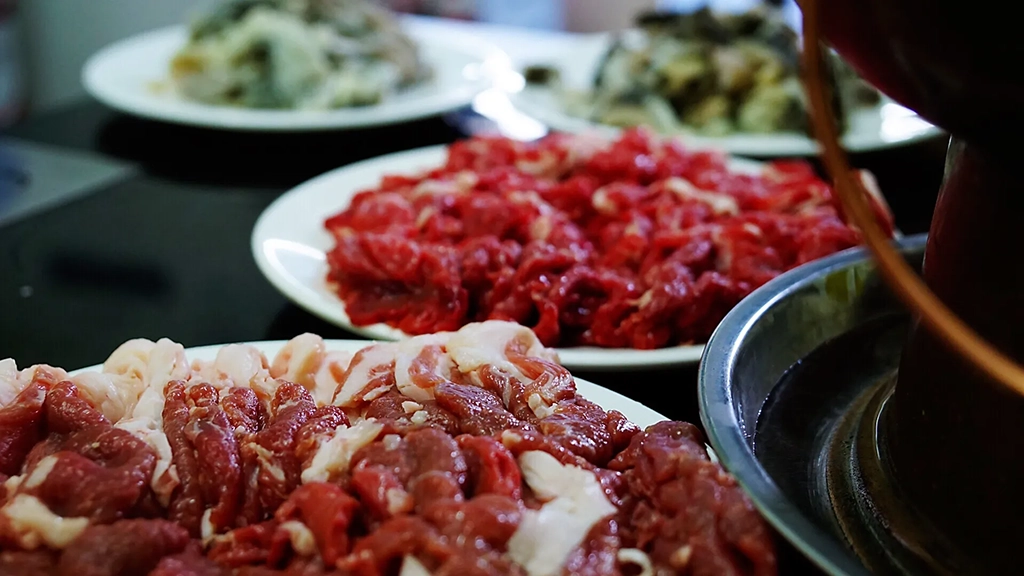

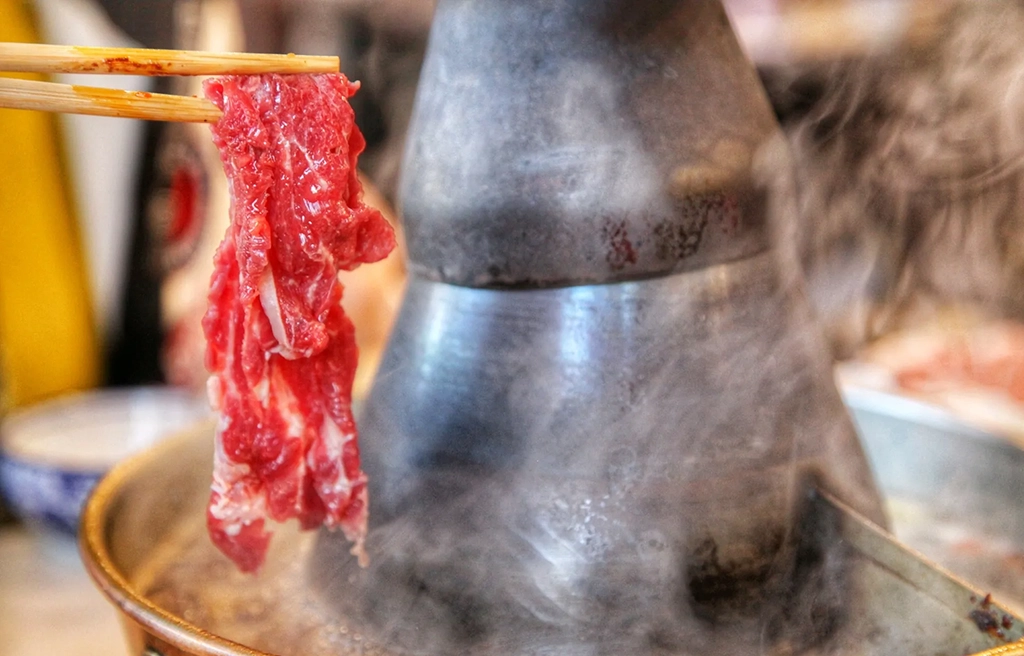
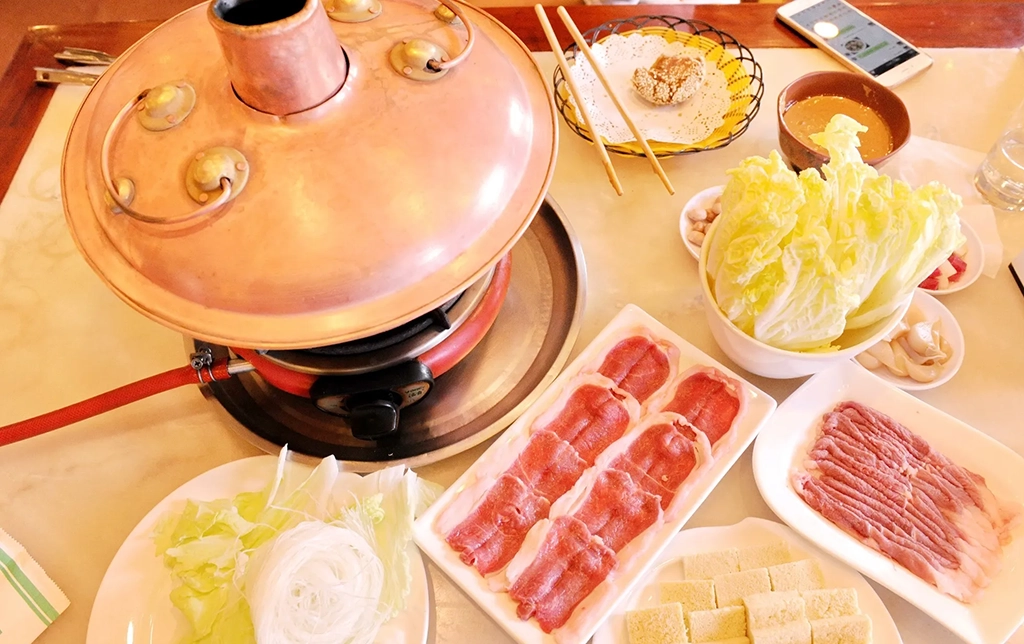
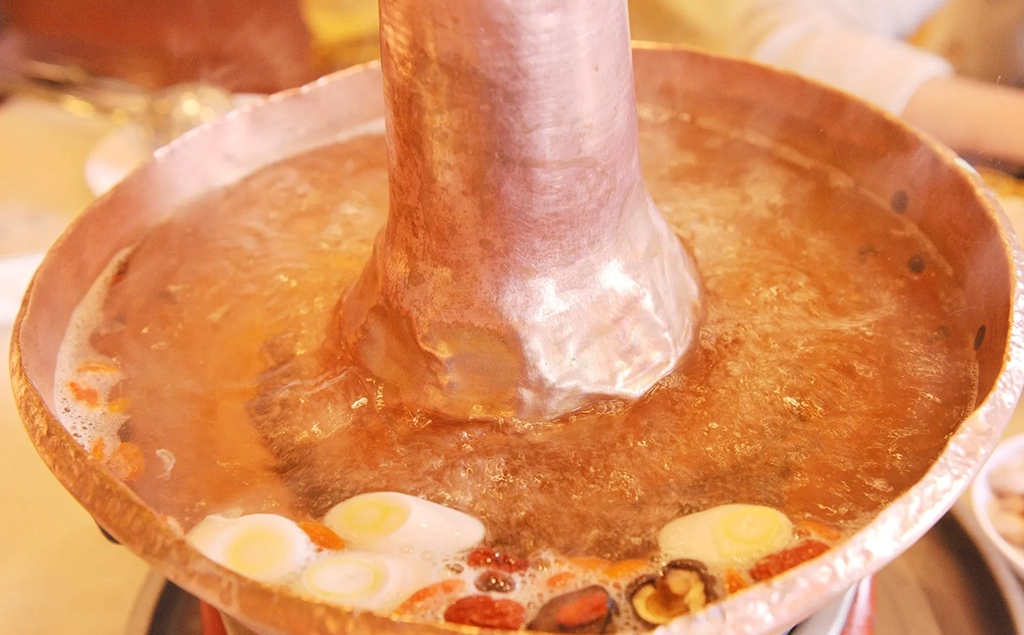
In the frigid winters of northern China, nothing beats the comforting warmth of a bubbling hotpot. In Beijing, hotpot is affectionately called "shuàn yáng ròu (涮羊肉)", a traditional style featuring a copper pot heated by charcoal and a light broth made with just scallions, ginger, mushrooms, and goji berries to enhance the flavor of the lamb. The star of the meal is the lamb itself, celebrated for its natural freshness and tenderness. The only dipping sauce is a rich sesame paste, customized with fermented bean curd, chive flower sauce, sesame seeds, chili oil, and a splash of vinegar for extra zing. A bite of the velvety lamb wrapped in creamy sesame sauce warms you to the core, leaving a lingering fragrance on your palate.
How to Enjoy Hotpot Like a Local
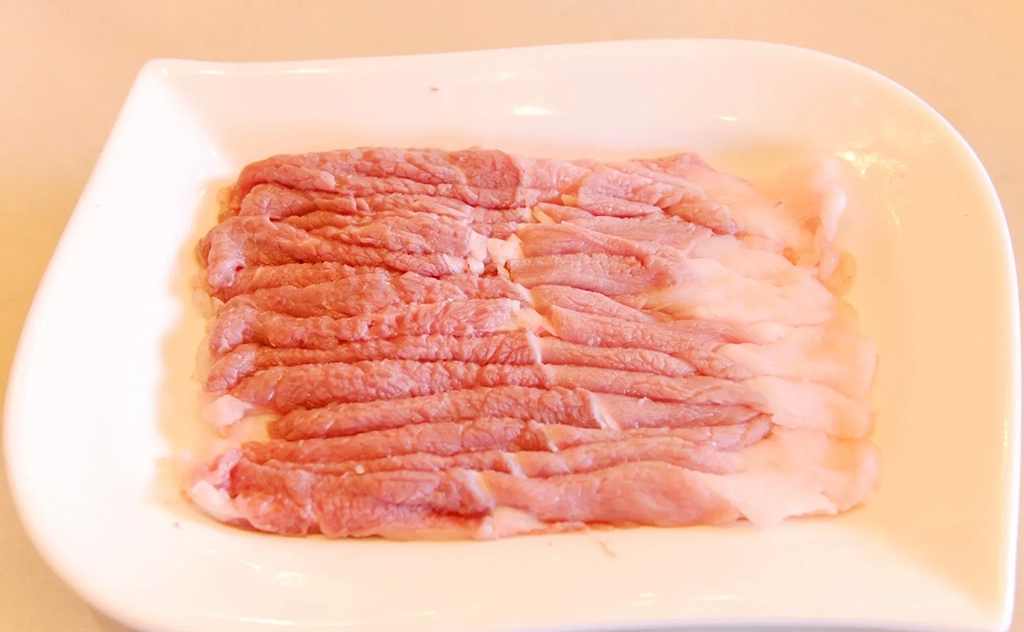
The authentic way to enjoy it begins with "conditioning" the broth by adding a plate of lamb tail fat, which enhances the flavor and smoothness of the hotpot base. Each cut of lamb is meticulously selected, with classic options like top blade (上脑), tenderloin (里脊), rump (磨裆), treasure meat (元宝肉), and cucumber strip (黄瓜条). Among these, cucumber strip is considered the finest cut, prized for its silky texture. The lamb for an authentic hotpot should always be hand-sliced, served standing upright on a plate to ensure freshness, with no blood or discoloration even after being left out for a while.
Recommended Restaurants
Manhengji (满恒记) – Niujie Halal Hotpot
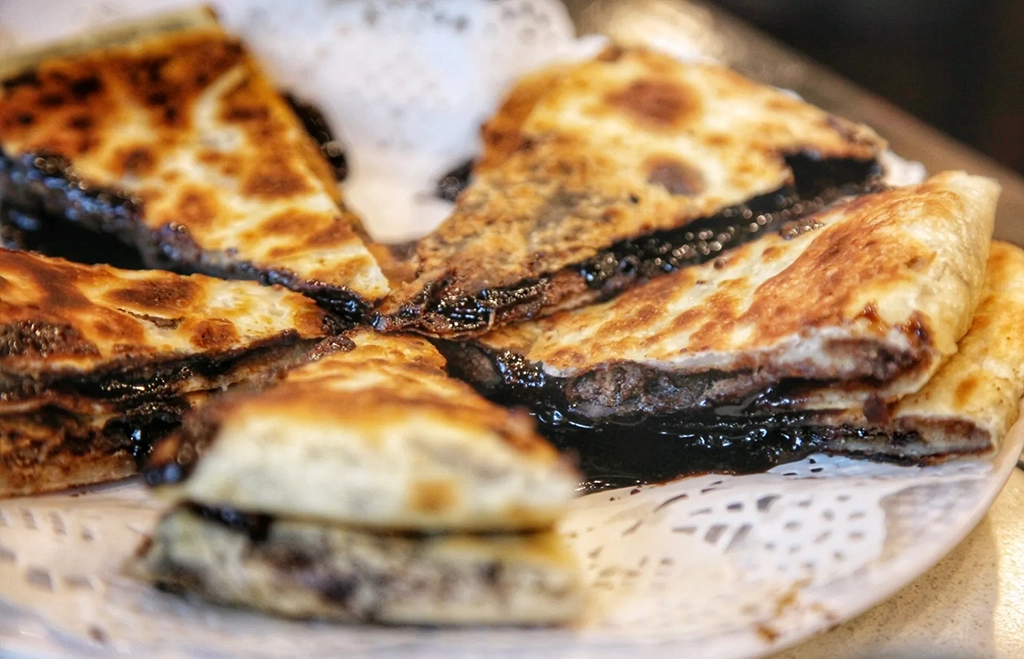
Locals in Beijing will tell you that Manhengji is both outrageously delicious and infamously hard to get a seat at. Its signature dish is hand-sliced lamb, where diners can choose the perfect fat-to-lean ratio. The lamb is tender and generously portioned. Surprisingly, the dish that has brought Manhengji its wider fame isn't hotpot but its sugar pancakes. These thin, crispy pancakes are filled with warm sesame paste and syrup, best eaten hot for a burst of nutty aroma and sweetness. You'll likely find yourself deeply satisfied even before the main course arrives.
- Address: 14 Ping'anli West Street
- Hours: 6:30–9:30; 11:00–22:00
- Average Cost: ¥110 per person
Nanmen Hotpot (南门涮肉)
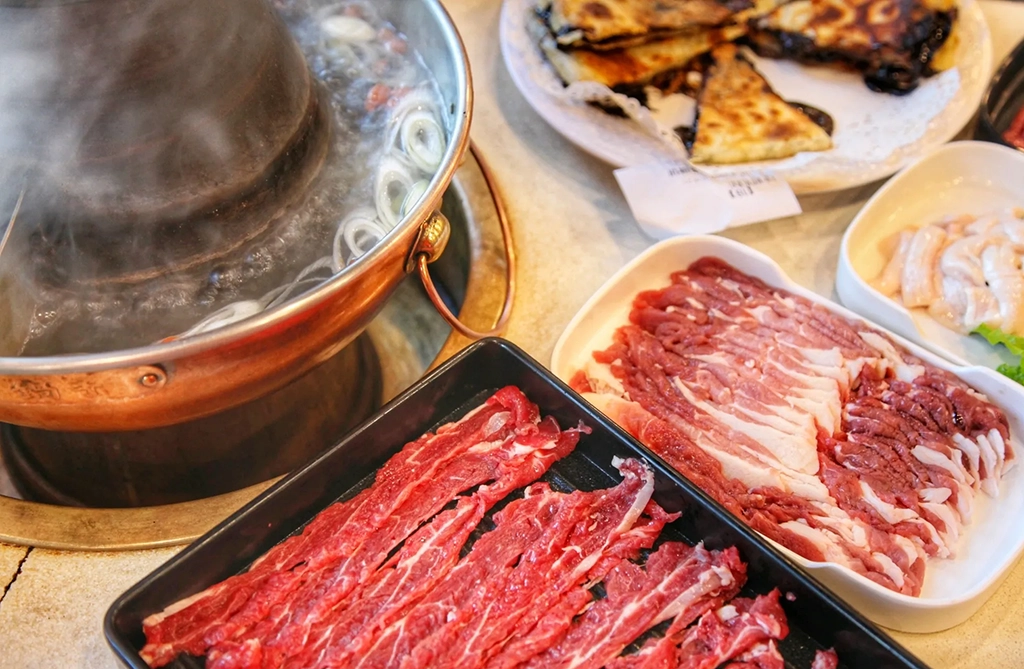
Located near the south gate of the Temple of Heaven, Nanmen Hotpot is a long-standing halal hotpot restaurant in Beijing. Known for its consistent quality, the restaurant offers hand-sliced lamb that is tender and smooth, as well as a variety of fresh ingredients like tripe and omasum.
Nanmen Hotpot's broth comes with a set of classic accompaniments, including frozen tofu, cabbage, and glass noodles, along with sweet garlic to cleanse the palate. Dipping the tofu and noodles into sesame paste creates the quint essential flavor of Beijing-style hotpot. Sitting by the window, watching the glass fog up from the steam of the copper pot, adds an extra layer of coziness to your Beijing winter experience.
- Address: Building 13-1-2, Yongdingmen East Street
- Hours: 11:00–22:00
- Average Cost: ¥102 per person
Zhizi Grilled Meat
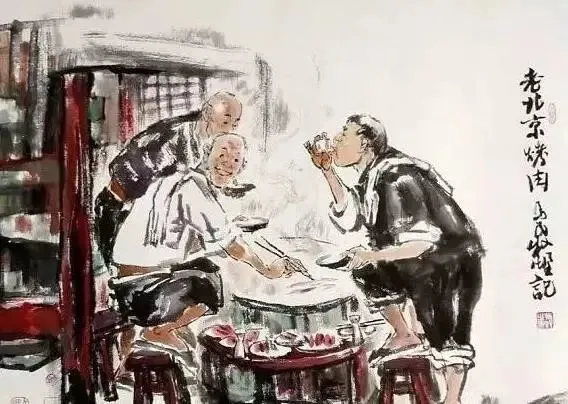


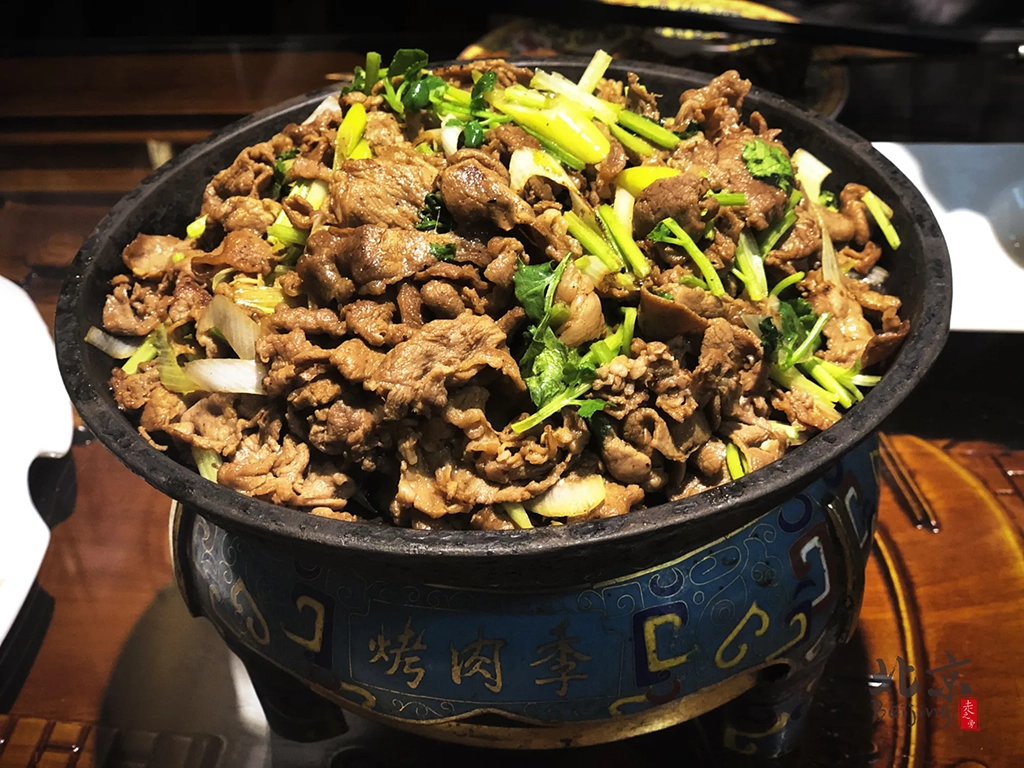
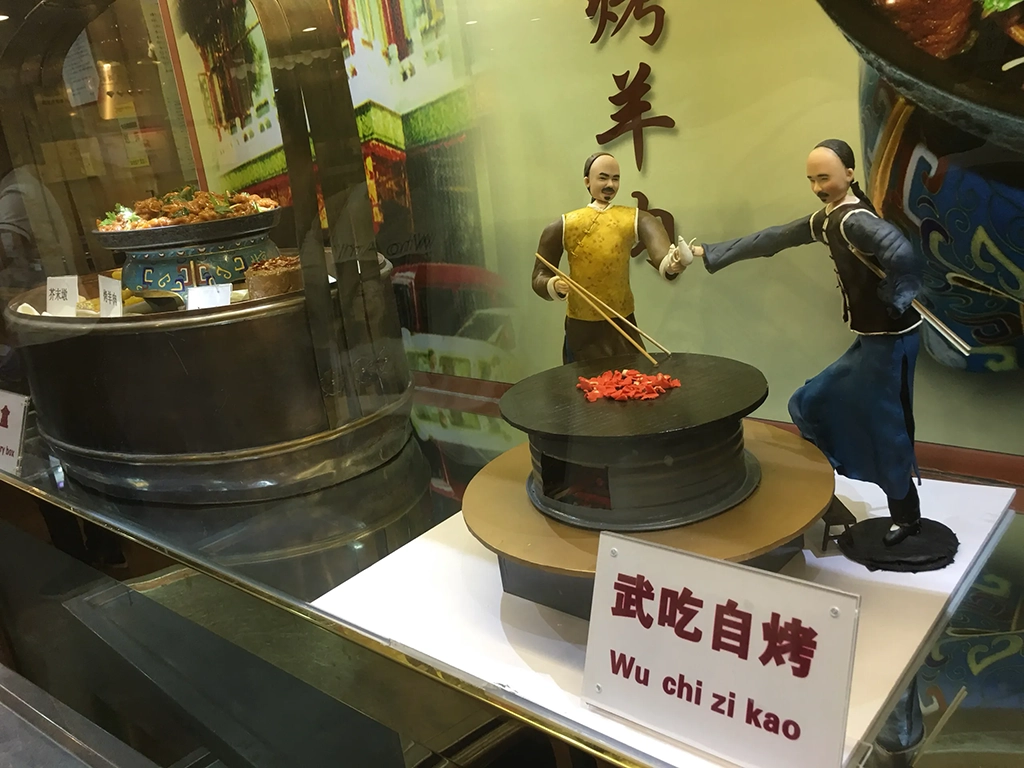
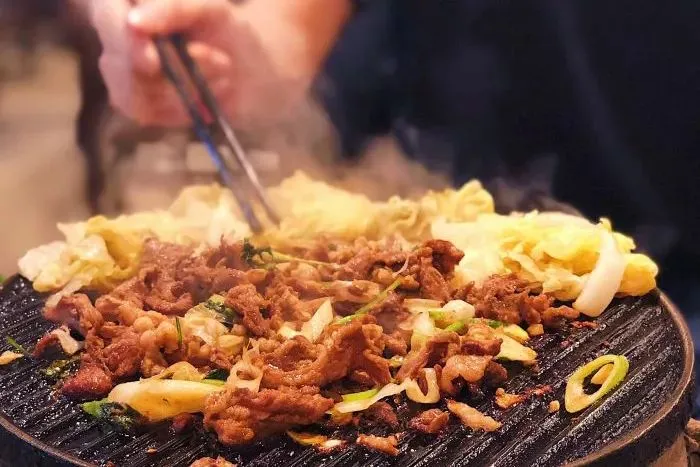
Beijing locals have a deep love for lamb, likely influenced by the nomadic traditions of ancient northern tribes. When the Manchu people rose to power, they brought zhì zi grilled meat (炙子烤肉) to Beijing, which quickly became a signature dish of old Beijing cuisine. The "zhizi" refers to a round iron plate made from iron bars. Beneath the plate, fruitwood charcoal is used to grill thinly sliced beef or lamb, which is marinated with scallions, ginger, and cilantro. The meat sizzles and crackles on the hot iron plate, filling the air with its tantalizing aroma.
Recommended Restaurants
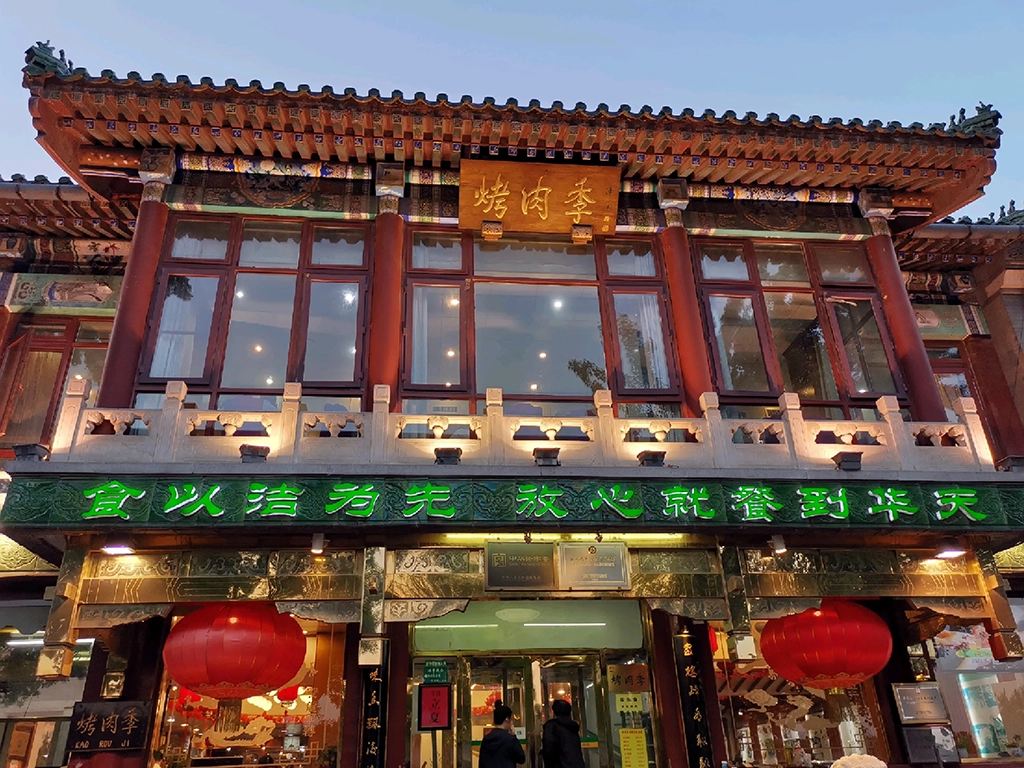
Kaorouji (烤肉季)
When it comes to zhizi grilled meat in Beijing, locals often refer to the phrase "Nanwan, Beiji (南宛北季)", which roughly translates to "Kaorouwan in the south, Kaorouji in the north." The "Ji" in the saying refers to Kaorouji, a century-old establishment located by the tranquil shores of Shichahai. Originally a humble street-side barbecue stall near the Silver Ingot Bridge during the Daoguang reign of the Qing Dynasty, Kaorouji became famous for its unique grilling techniques and mouthwatering aromas that drew customers from far and wide.
Today, Kaorouji continues to honor its legacy of grilling excellence. The lamb is fresh without a hint of gaminess, and when paired with freshly baked sesame buns, it’s a hearty, satisfying feast.
- Address: 14 Qianhai East Bank
- Hours: 6:00–9:00; 11:00–15:00; 17:00–21:00
- Average Cost: ¥125 per person
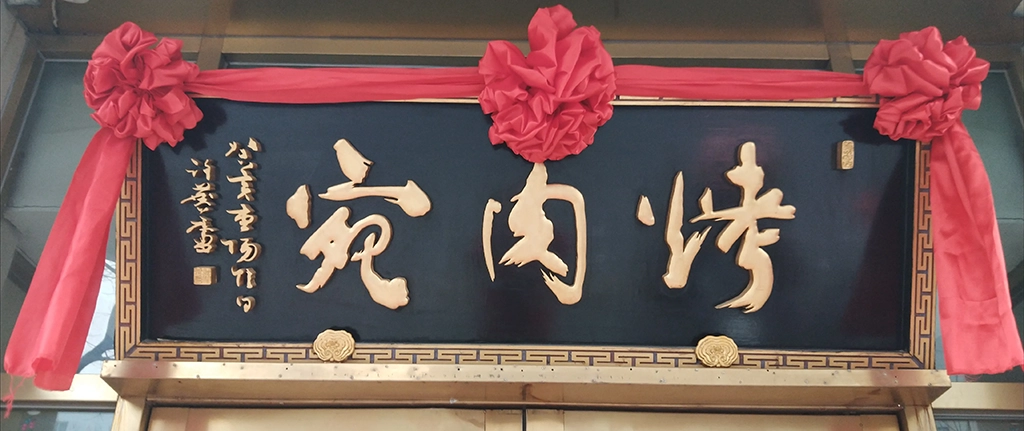
Kaorouwan (烤肉宛)
While Kaorouji is famous for lamb, the Wan family in the southern part of the city specializes in grilled beef. The story began with a Wan family Hui Muslim vendor selling beef and lamb near Xuanwumen. Over three generations, the family perfected their craft, evolving into the renowned Kaorouwan restaurant, famous for both grilled beef and their beef and lamb dumplings. Esteemed cultural figures like Zhang Daqian, Mei Lanfang, and Ma Lianliang were all frequent patrons.
The signature grilled beef is a must-try—succulent and flavorful. Pair it with their crispy cilantro stir-fry (芫爆散丹) for a true taste of Beijing. You can also sample an array of traditional Beijing Street Food while you’re here.
The signature grilled beef is a must-try—succulent and flavorful. Pair it with their crispy cilantro stir-fry (芫爆散丹) for a true taste of Beijing. You can also sample an array of traditional Beijing Street Food while you’re here.
- Address: 58 Nanlishi Road
- Hours: 10:30–21:30
- Average Cost: ¥118 per person
Zhájiàng Noodles
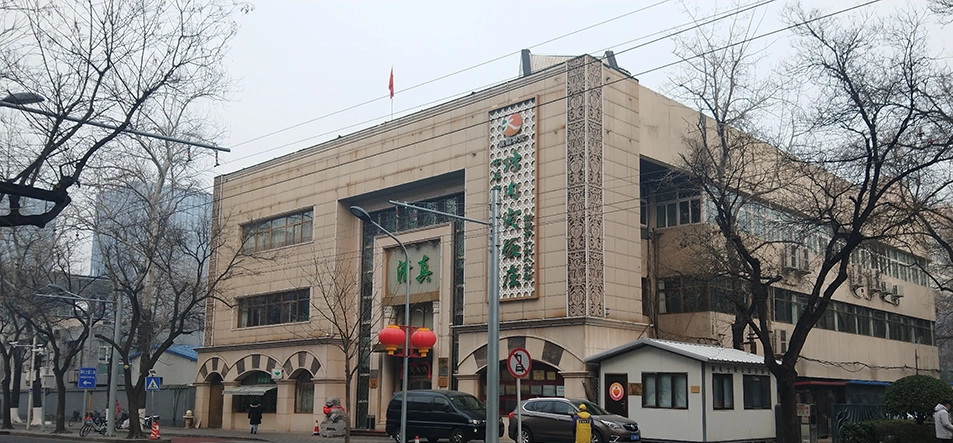


For Beijing locals, zhájiàng noodles (炸酱面) represent a comforting taste of home—nostalgic and deeply rooted in childhood memories. Many older generations of Beijingers grew up savoring a bowl of zhájiàng noodles from a humble hutong eatery. The dish features a small bowl of fragrant stir-fried soybean paste, often made with pork fat and sweet bean sauce (甜面酱), paired with a variety of toppings such as shredded cabbage, radish, mung bean sprouts, and up to ten other vegetables. The rich, savory sauce coats the springy noodles perfectly, making it nearly impossible to stop at just one bowl.
Recommended Restaurants
Fangzhuanchang 69 Zhájiàng Noodles (方砖厂69号炸酱面)
Hidden within the narrow alleyways of a hutong, this small eatery has gained a devoted following for its focus on one dish: zhájiàng noodles. There’s no menu to peruse; simply tell the staff how many bowls you want. The restaurant is often packed, but turnover is quick. Every table is stocked with a large jar of their house-made làbā garlic (腊八蒜)—a Northern must-have when eating noodles. The sweet-and-sour garlic cloves perfectly balance the rich, umami-packed sauce of the noodles, leaving you satisfied after every bite.
- Address: No. 1, Fangzhuanchang Hutong
- Hours: 10:30–19:00
- Average Cost: ¥22 per person
Beijing Street Food


Beijing Street Food are a delicious tapestry of flavors, combining influences from Han, Hui, and Manchu cuisines. These treats range from sweet to savory, with some even bearing a touch of imperial elegance—favorites once praised by none other than Empress Dowager Cixi. Opinions on Beijing Street Food can vary wildly, but that’s often due to choosing the wrong eatery. While in Beijing, it’s a must to sample authentic local flavors to fully appreciate the culinary wisdom born under the shadows of the imperial city.
Recommended Restaurants
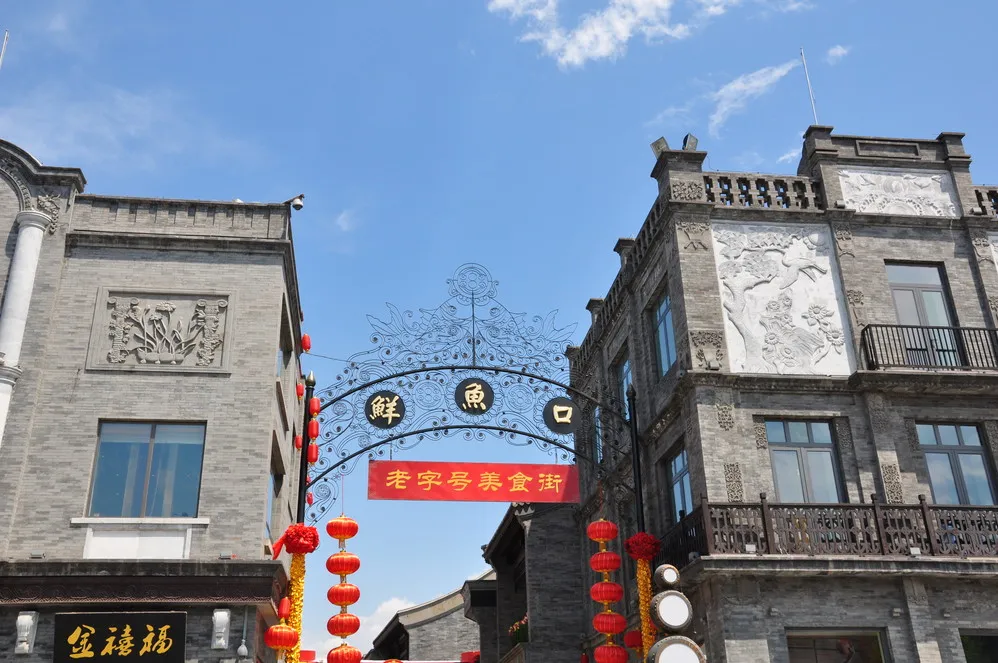
Xianyu Alley (鲜鱼口) | Old Beijing Food Street at Qianmen
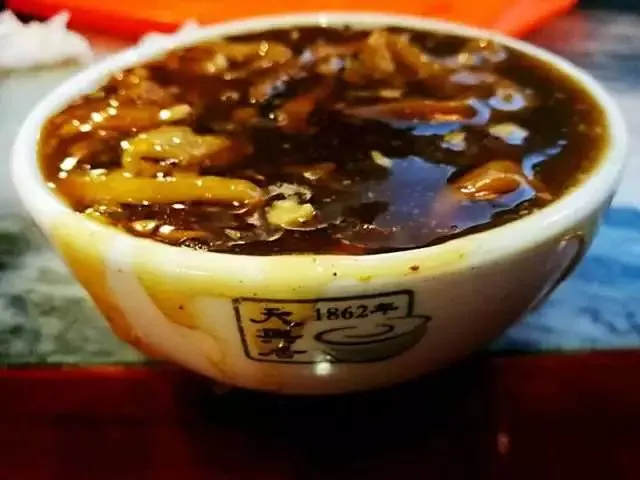
Xianyu Alley is a historical hutong famous for its old Beijing eateries, even rivaling the iconic Dashilar area in its heyday. In recent years, the street has been restored and reopened, once again bustling with the charm of bygone times. Among the must-visit places here is Tianxingju (天兴居), a 200-year-old institution renowned for its stir-fried liver (炒肝)—a dish so iconic in Beijing that no other establishment dares claim second place.
Xianyu Alley also houses the flagship branch of Bianyifang, Beijing’s oldest roast duck restaurant, Jinfang Street Food (锦芳小吃), and Tianyuan Sauce Garden (天源酱园), a century-old pickle shop. Don’t miss Jingao Zhang (金糕张), famous for its imperial-style rice cakes. With so many options, you can snack your way through the day from sunrise to sunset.
Xianyu Alley also houses the flagship branch of Bianyifang, Beijing’s oldest roast duck restaurant, Jinfang Street Food (锦芳小吃), and Tianyuan Sauce Garden (天源酱园), a century-old pickle shop. Don’t miss Jingao Zhang (金糕张), famous for its imperial-style rice cakes. With so many options, you can snack your way through the day from sunrise to sunset.
- Address: Near Dashilar Commercial Street, Qianmen Avenue
- Hours: 10:00–22:00
- Average Cost: ¥67 per person
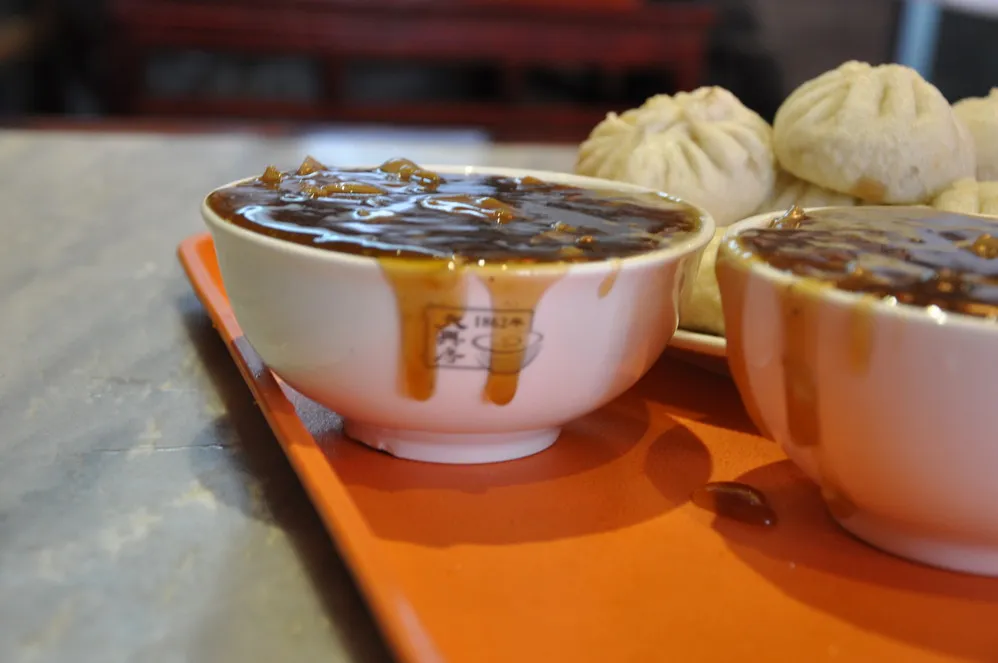
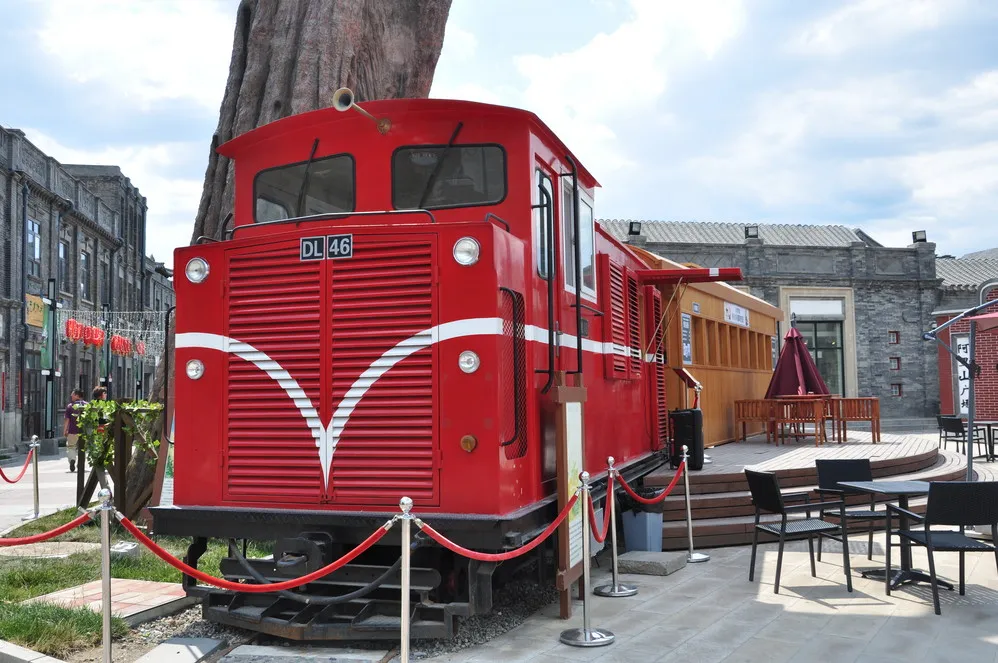
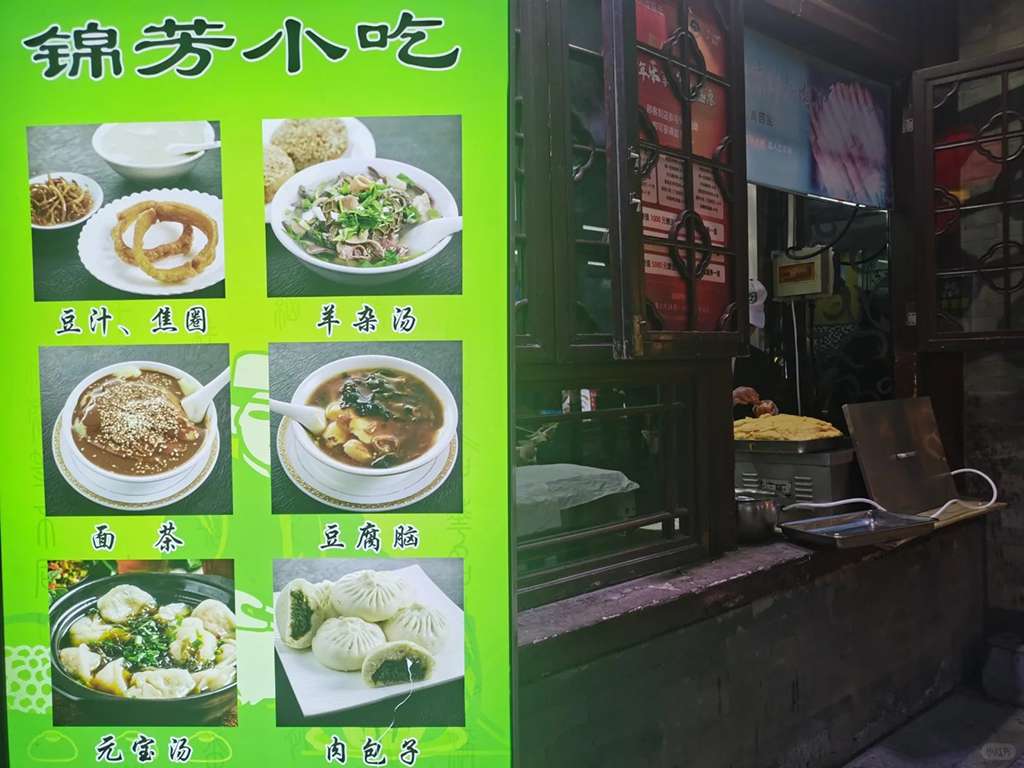
Jinfang Street Food (锦芳小吃) | A Childhood Memory by the North Gate of Temple of Heaven
For many older Beijingers, Jinfang is a nostalgic spot where their childhoods were flavored with the most aromatic meat pies, the richest mung bean juice (豆汁儿), and the most delicately crafted handmade sweet dumplings (元宵). Jinfang offers dozens of halal Street Food, including pea cakes (豌豆黄), red bean rolls (芸豆卷), aiwowo (艾窝窝), and noodle tea (面茶). First-time visitors are often dazzled by the sheer variety.
Though many of the regulars are elderly locals, the eatery has recently attracted younger crowds who stop by for breakfast after a morning run at the nearby Temple of Heaven. It’s the perfect way to start the day in true Beijing style.
- Address: 2 Zhushikou East Avenue, Beijing Metropolis Building, 1st Floor
- Hours: 6:00–19:30
- Average Cost: ¥25 per person
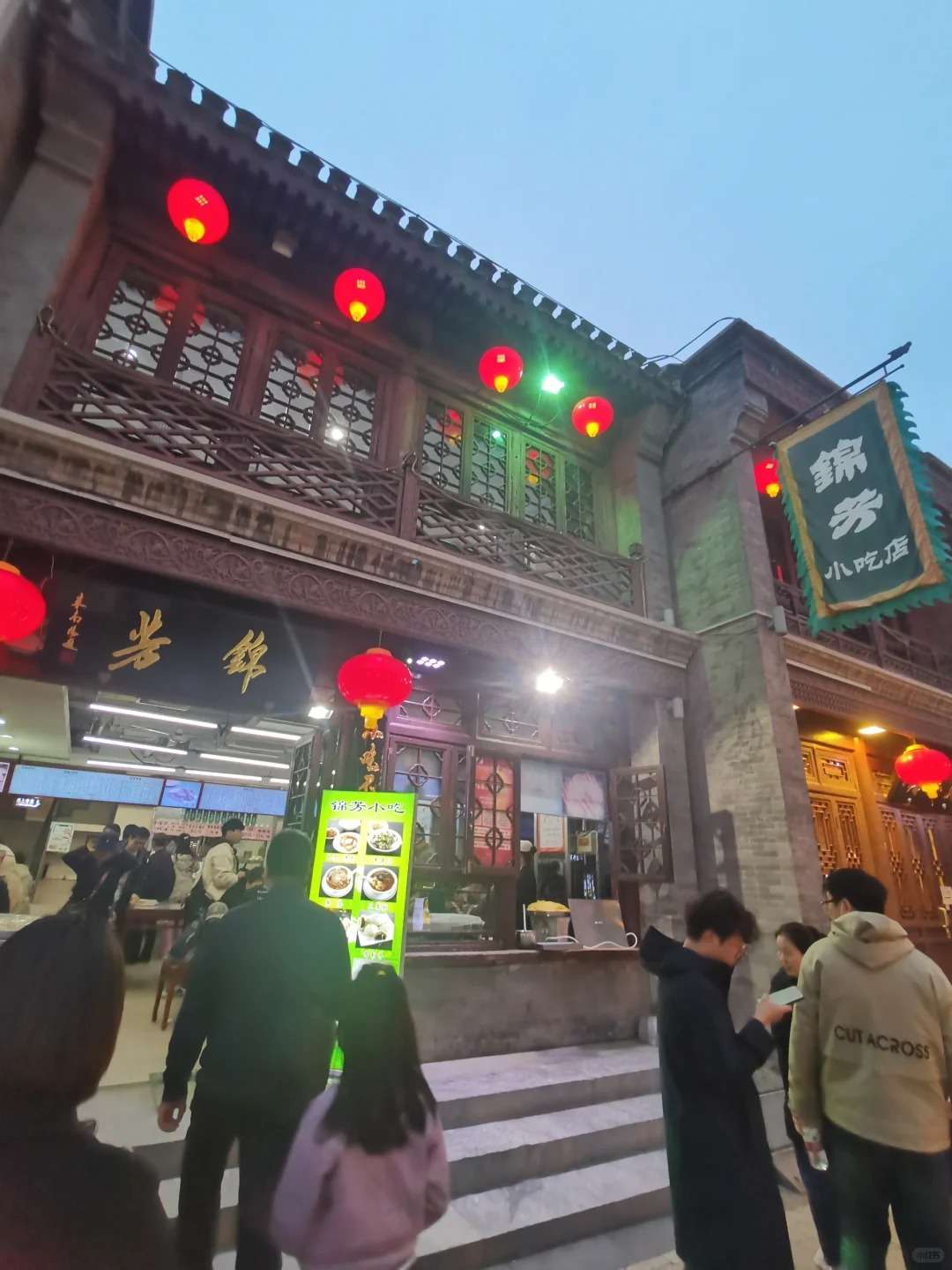
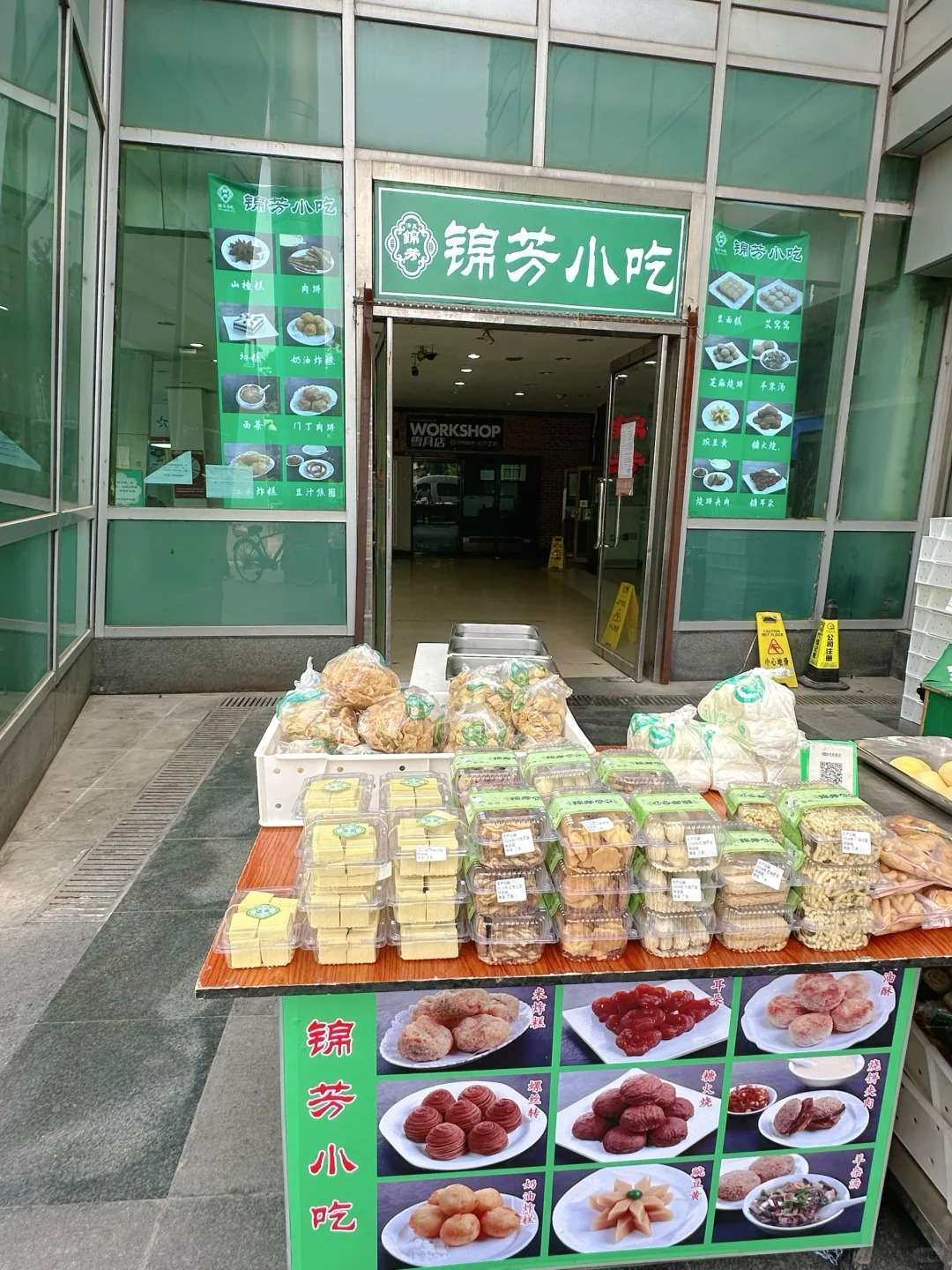
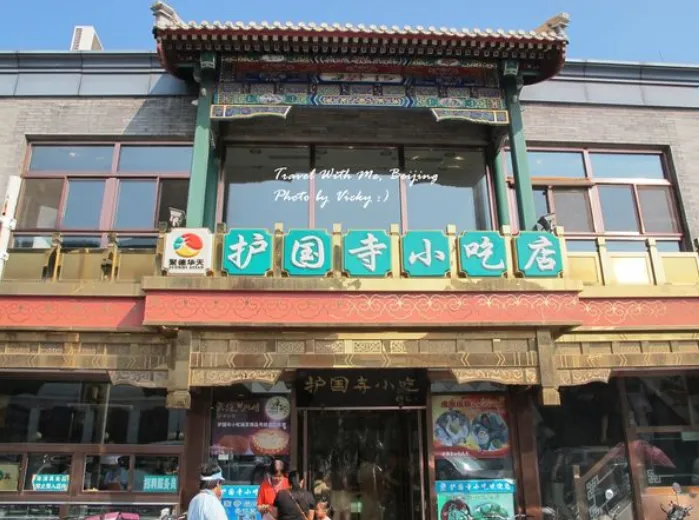
Huguosi Street Food (护国寺小吃总店) | Famous Bites Near Prince Gong’s Mansion
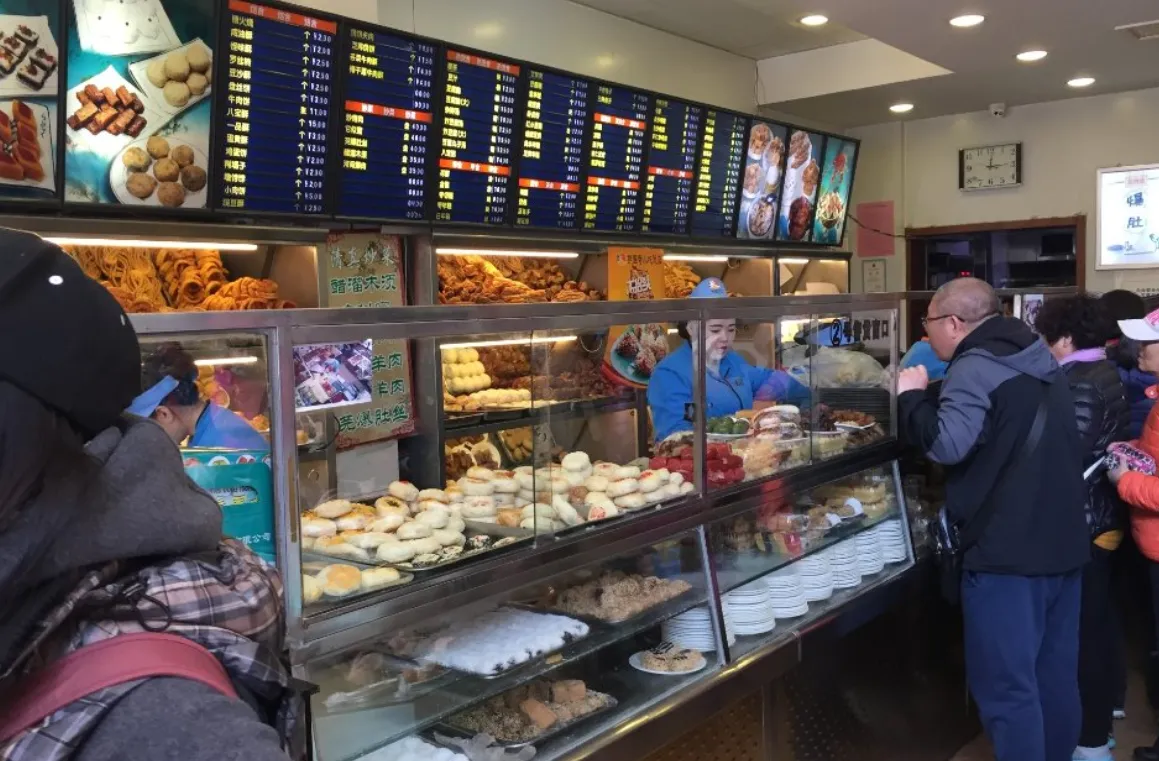
Huguosi Street Food has its origins in the bustling Huguo Temple fairs, where street vendors once served the most enticing treats. Today, the shop consolidates the best of old Beijing Street Food into one convenient location, offering a vast selection of halal, Han, and imperial-style Street Food.
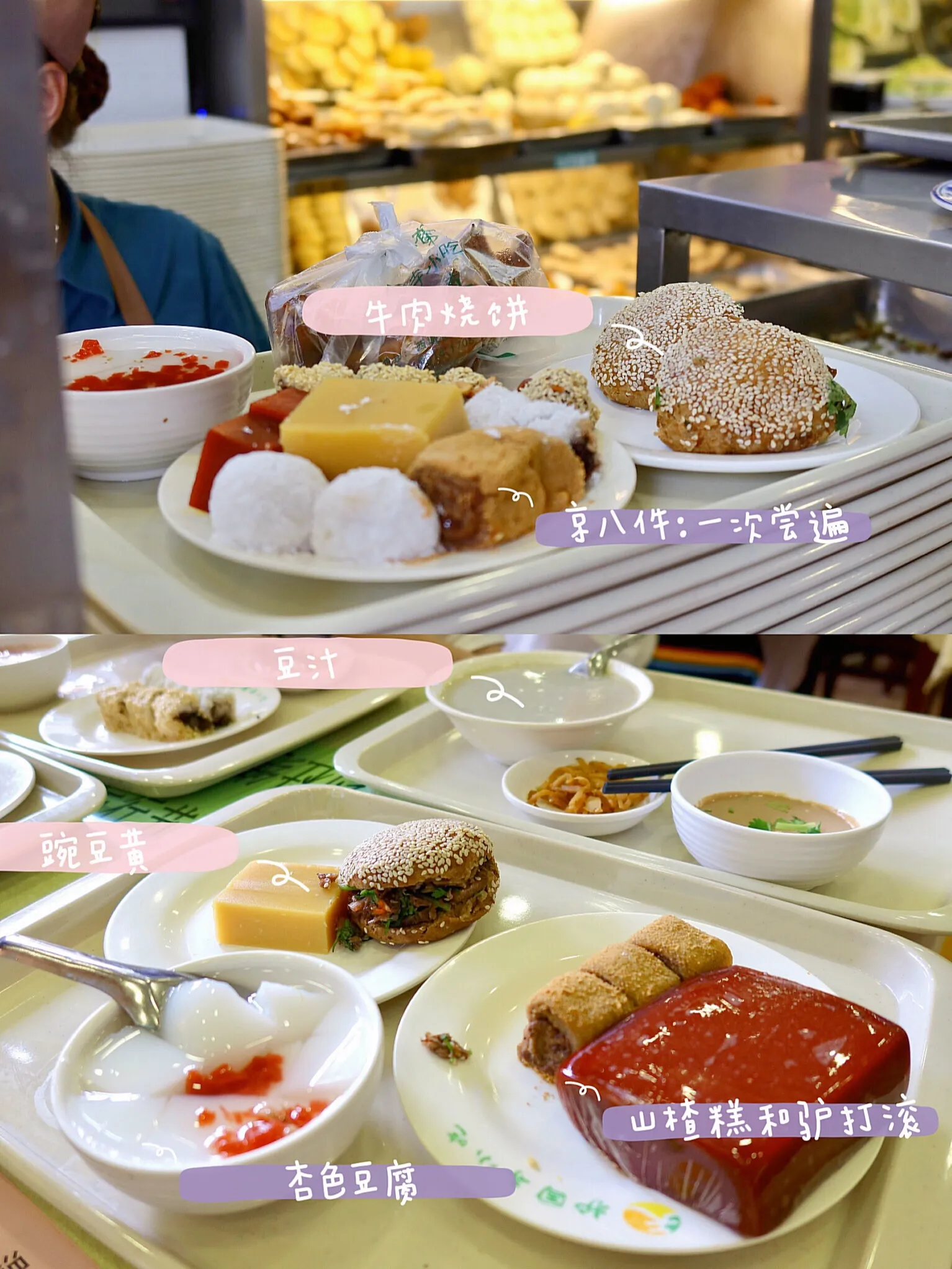
Savory options include tripe (爆肚), noodle tea (面茶), and tofu pudding (豆腐脑), while sweet lovers can indulge in pea cakes (豌豆黄), honey sweets (它似蜜), and cream-fried cakes (奶油炸糕). For a full tasting experience, bring friends along to try as many dishes as possible.
- Address: 93 Huguosi Street
- Hours: 5:30–21:00
- Average Cost: ¥30 per person
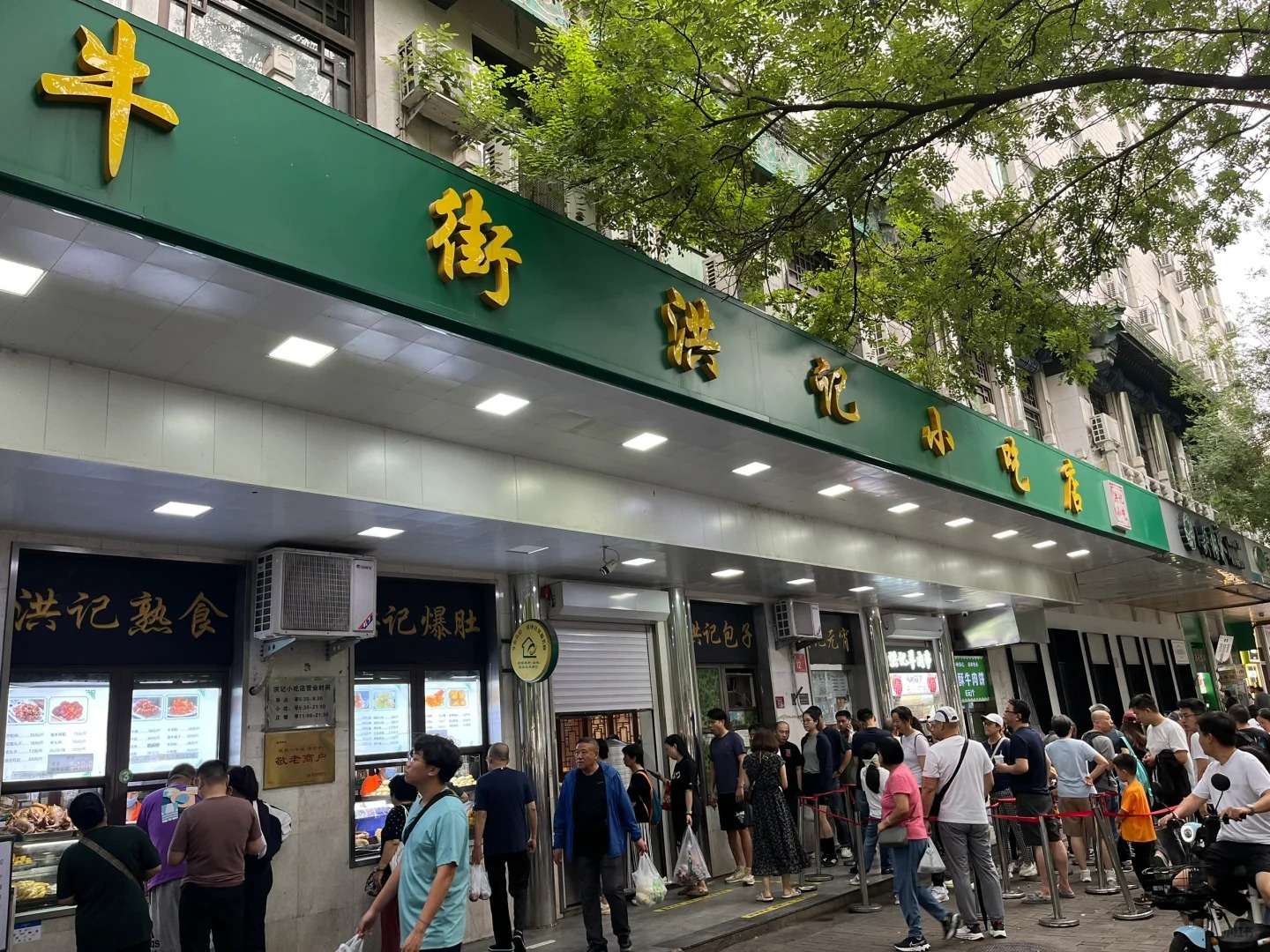
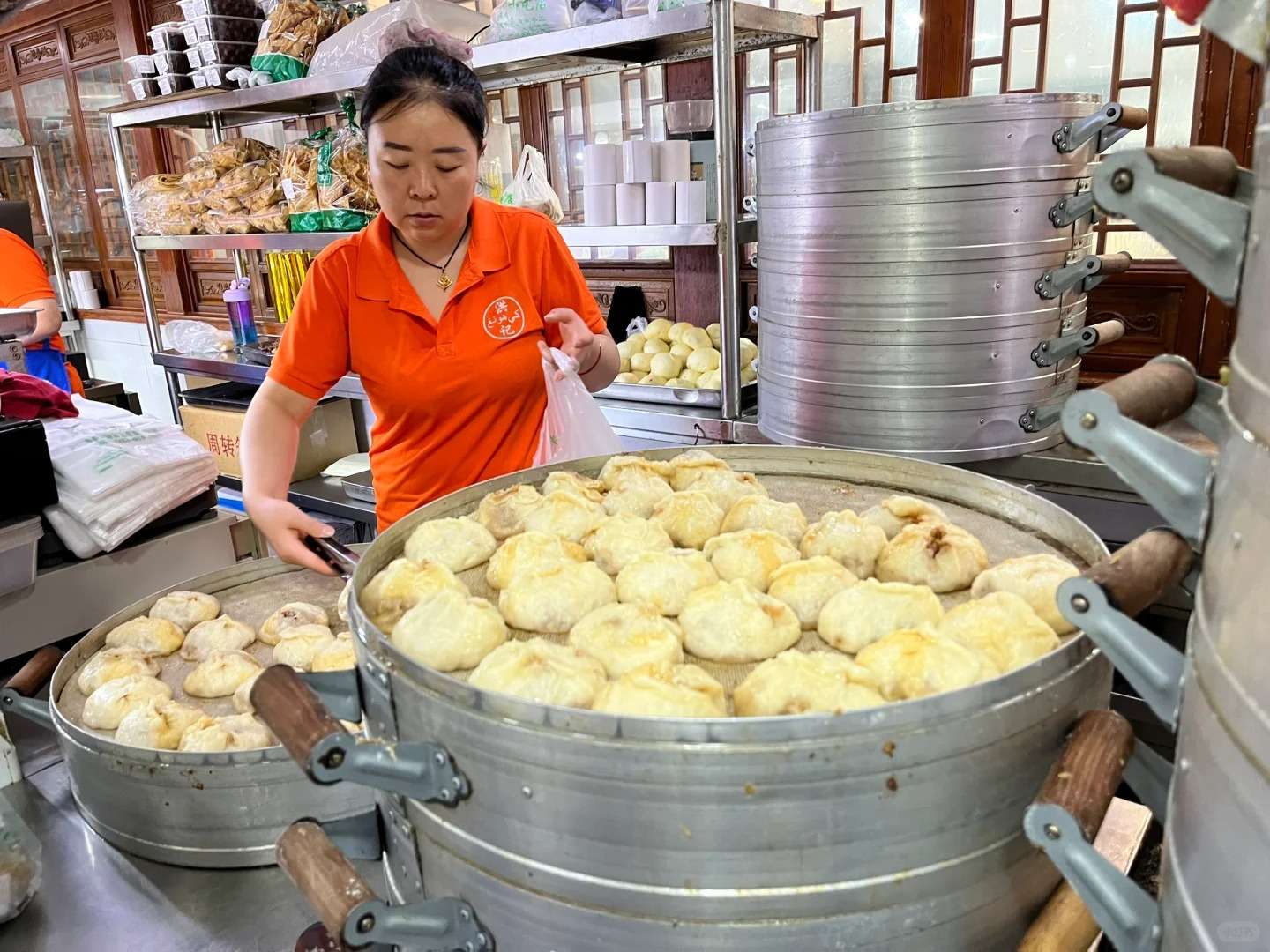
Hongji Street Food (洪记小吃) | The King of Niu Street
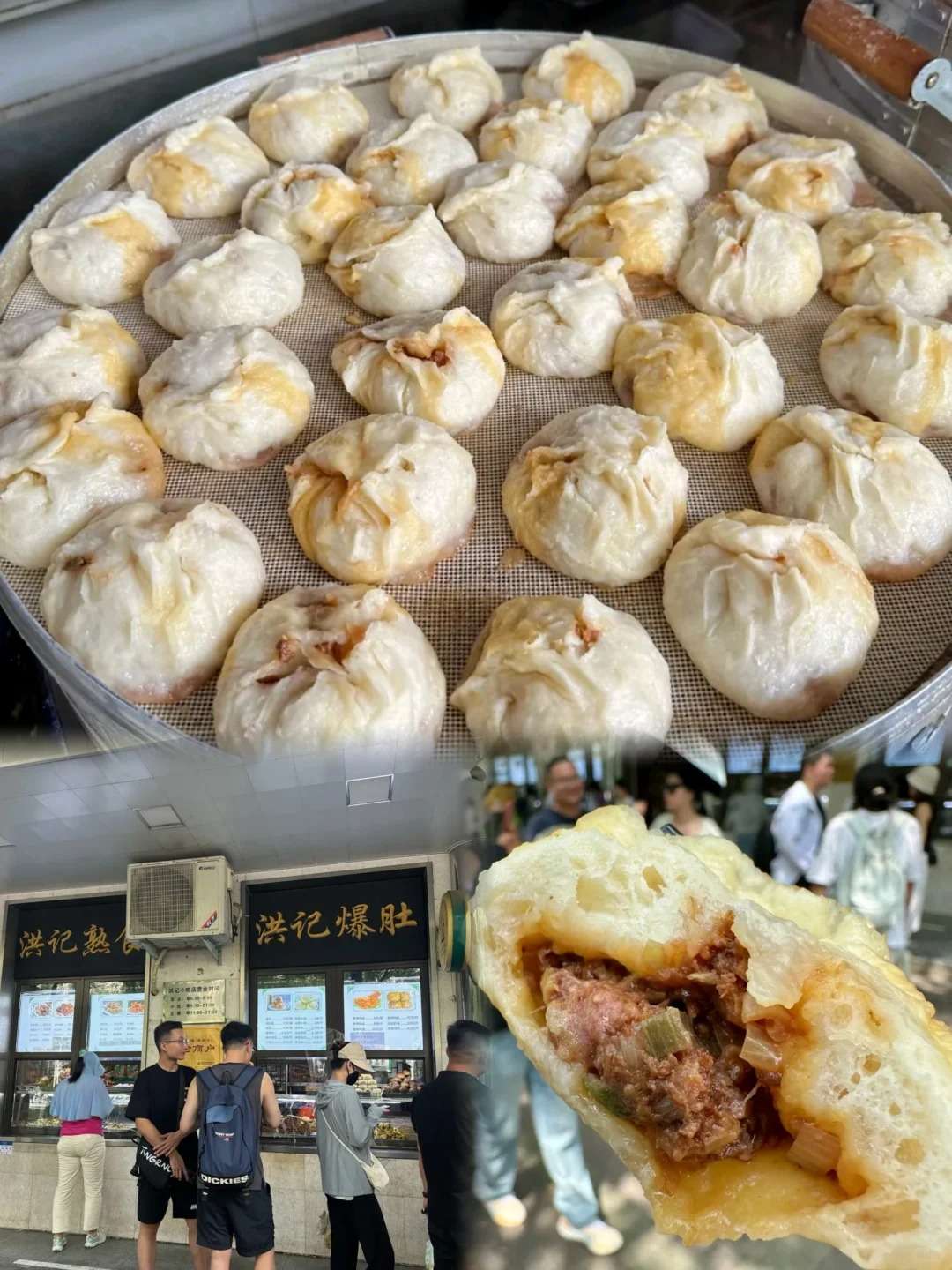
Niu Street is renowned for its halal cuisine, with its tender lamb, sweet rice cakes, and fried pastries drawing crowds daily. Among these, Hongji Street Food is the undisputed favorite, with lines stretching out the door. Many are willing to wait an hour or more for their freshly fried zhagao (炸糕), which is best enjoyed straight out of the fryer.
These piping-hot, golden pastries are filled with sweet red bean paste. The crispy shell gives way to a chewy, sticky rice interior that perfectly complements the sweet filling. While zhagao is best eaten fresh, you can grab other halal delicacies from the Niu Street Halal Supermarket across the road to take home and share.
- Address: No.12 Niu Street
- Hours: 5:30–9:30, 11:00–21:30
- Average Cost: ¥42 per person