Must-Try Local Food in Xi’an
When traveling to Xi’an, deciding “what to eat” is the least of your worries. The city’s culinary scene is rich and time-honored, with a mix of historic eateries and bustling street stalls lining every corner, attracting food lovers from morning till night.
Xi’an is especially famous for its snacks , with hundreds of varieties to choose from. Most are halal-style and noodle-based , featuring bold salty and spicy flavors, along with a wide range of uniquely shaped pastries that leave a lasting impression. Many of these snacks are hearty enough to serve as a full meal, and the best part—they are incredibly affordable. This guide will introduce the must-try snacks in Xi’an and recommend some top spots, but beware: reading on while hungry may be dangerous!
Read Next: For more Shaanxi food adventures, see our Ultimate Shaanxi Street Food Guide.
Roujiamo (Chinese Burger)
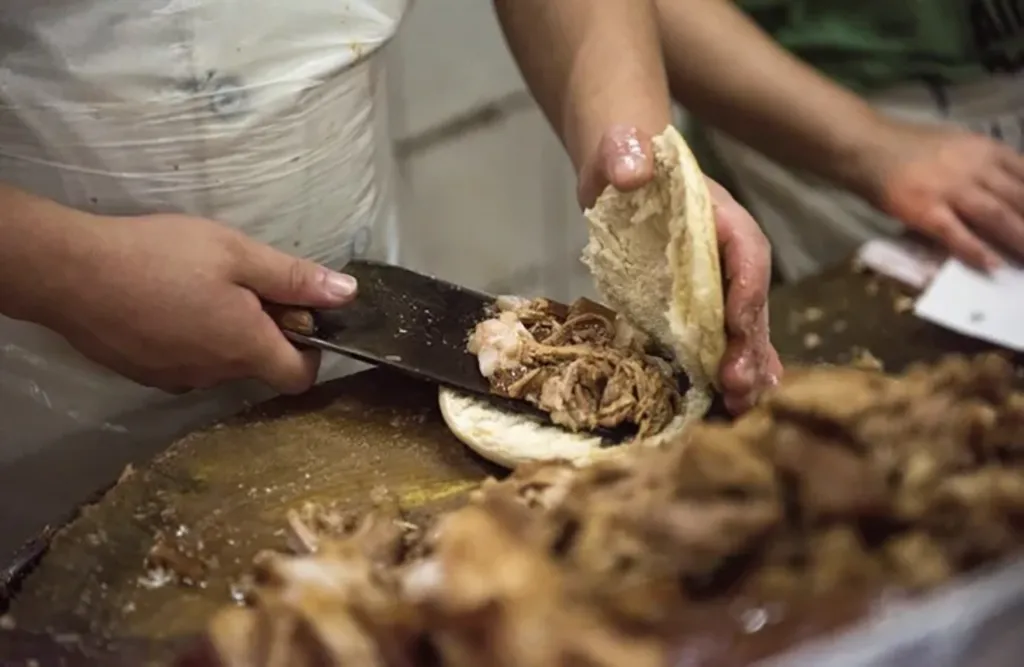
Roujiamo is a beloved snack in Xi’an, adored by both local and international food lovers. Traditionally, it’s made with braised pork shoulder (though along the Muslim Quarter, beef is used exclusively), cooked slowly with over 20 aromatic spices, shredded, and stuffed inside an authentic Baijimo flatbread.
There are usually two types: premium and regular , distinguished by the amount of meat and the fat-to-lean ratio. Premium versions are made entirely with lean meat, while regular ones are a 50/50 mix of fat and lean. Some shops even offer three grades—regular, lean, and deluxe—corresponding to increasing lean meat content. Always eat it hot: the bread is crispy outside, soaked with flavorful juices inside, and the meat is rich but not greasy, offering a satisfying layered taste.
Apart from pork or beef, Xi’an also has the Lao Jin Family Egg & Vegetable Roujiamo, a unique twist filled with eggs, salted egg yolks, peanuts, pickles, and a secret sauce, delivering a delicious mix of salty, spicy, and sweet flavors.
Recommended Spot:
- Qinyu Roujiamo (featured on A Bite of China)
- Hours: 7:00 AM – 1:00 PM
- Price Reference: Regular 10 RMB, Lean 11 RMB, Premium 13 RMB
Liangpi (Cold Noodles)
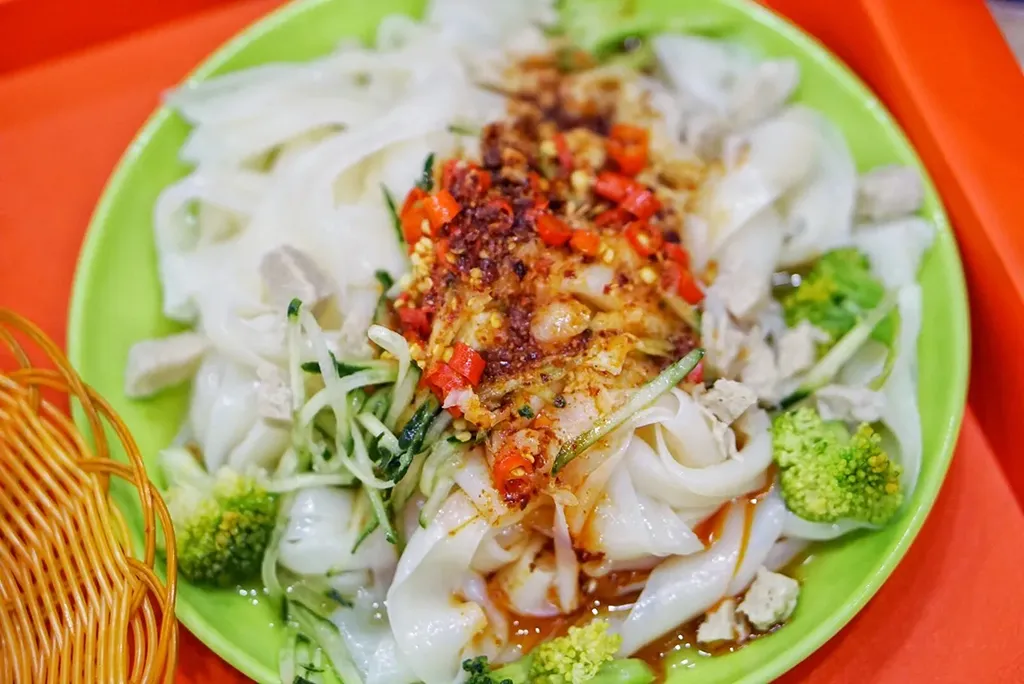
Liangpi , Xi’an’s famous cold noodles, date back to the Qin Dynasty. Loved for their smooth texture and versatile serving styles, they remain a crowd favorite today.
The most renowned variety is Qinzhen Liangpi , which has a history of over 2,000 years. The prepared noodles have a reddish hue, mixed with shredded cucumber and other toppings in a tangy, savory vinegar-soy dressing, sprinkled with cilantro and minced garlic, and drizzled with chili oil. The result is a chewy, springy, and flavorful dish.
Another popular version is sesame sauce liangpi , favored by the local Muslim community. Large amounts of sesame paste are added during preparation, giving the noodles a rich, creamy, and nutty flavor that dominates the palate.
There’s also Hanzhong rice noodles , made from rice flour, which is another Shaanxi specialty rarely seen outside the region. Rice noodles have a softer, more glutinous texture than wheat noodles and can even be served warm. Some restaurants offer a combo of liangpi and rice noodles, letting you enjoy both textures in one meal.
Recommended Spot:
- Weijia Liangpi (South Gate Branch)
- Hours: 24 hours
- Price Reference: Signature Liangpi, Sesame Sauce Liangpi 11 RMB
Paomo (Soaked Bread) Series
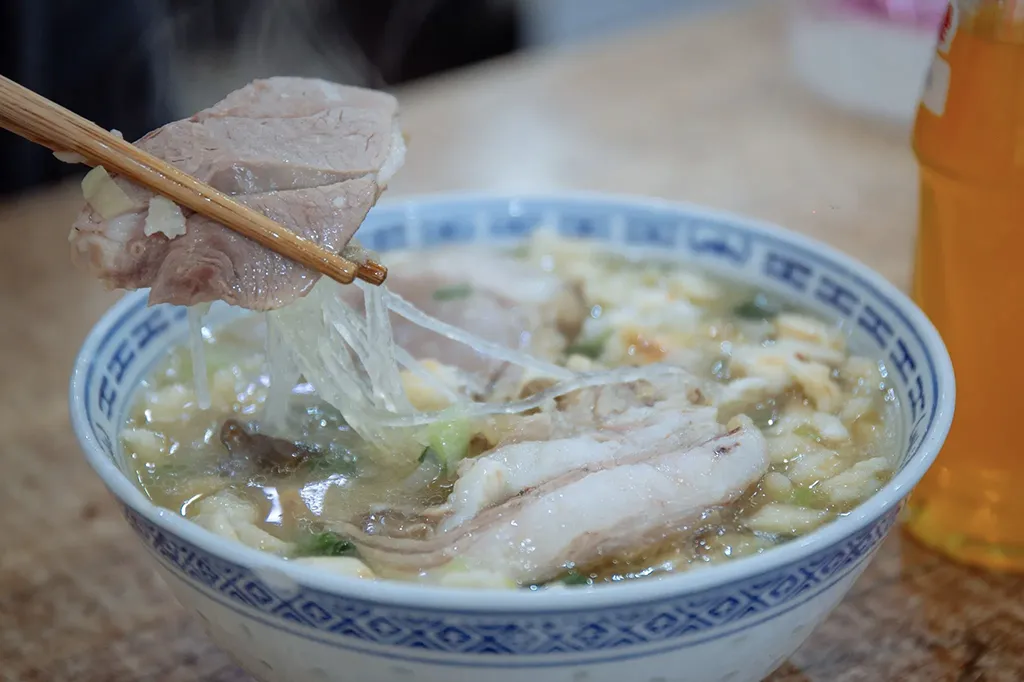
Paomo is hailed as the "best bowl in the world" and is a must-try snack when visiting Xi’an. The most famous version is lamb paomo , made with slices of lamb hind leg simmered in rich broth. Vermicelli is often cooked in the same soup, and when served, the meat is tender and the soup flavorful, garnished with scallions and cilantro.
The bread used in paomo is called “tuotuo mo”. Some restaurants let diners tear the bread themselves into pieces about the size of soybeans—a local custom considered part of the fun. The soup is traditionally sipped along the edge of the bowl bit by bit, called the “silkworm bite” method, to maintain a consistent taste. When the soup feels too rich, diners often enjoy it with pickled garlic for a refreshing contrast. Lamb paomo combines vegetables, meat, and bread in one bowl, leaving you full and satisfied.
Besides lamb, there are other varieties such as beef paomo , hulu tou paomo , and three-delicacy paomo.
- Beef paomo is often sold alongside lamb paomo.
- Hulu tou paomo is made with fatty intestines (named after its gourd-like shape) and has a richer flavor.
- Three-delicacy paomo contains meatballs, lean meat, and vegetables like garlic sprouts, making it a lighter option.
Paomo can also be stir-fried instead of soaked in soup, so adventurous eaters are encouraged to try both styles.
Recommended Spot:
- Ma Hong Stir-fried Paomo (Lianhu Park Branch)
- Hours: 9:00–21:00
- Price Reference: Beef Paomo / Stir-fried (Regular 25 RMB, Premium 35 RMB); Lamb Paomo / Stir-fried (Regular 30 RMB, Premium 40 RMB). Each serving includes 2 pieces of bread and a portion of garlic.
BiángBiáng Noodles
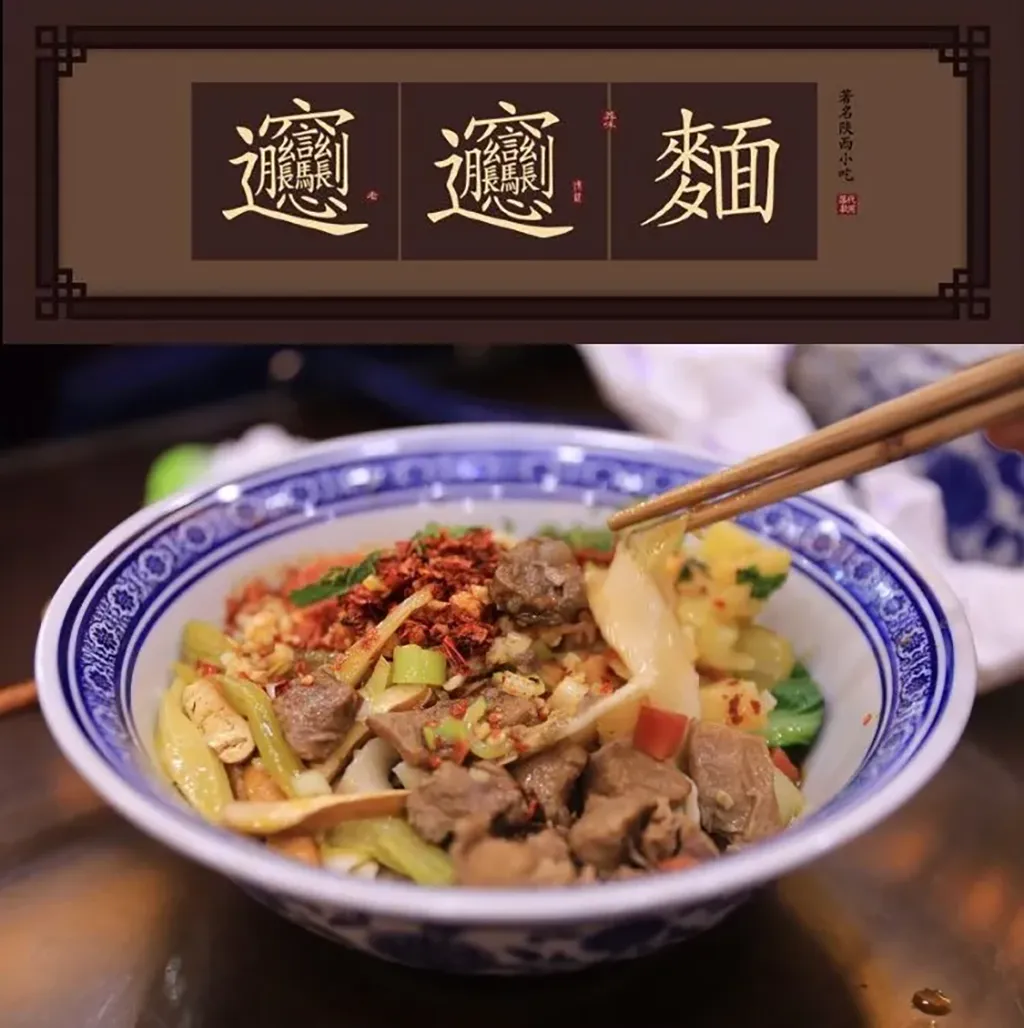
BiángBiáng noodles are a traditional Shaanxi specialty and one of the province’s “Eight Strange Things.” The character “Biáng” is a complex, maze-like onomatopoeia that mimics the sound made when rolling, stretching, or eating the noodles.
Unlike regular noodles, BiángBiáng noodles are extremely wide—almost like a belt. Once cooked, they are served with stir-fried toppings such as potatoes, carrots, and diced tofu, and finished with a generous spoonful of chili oil. Served hot in a large bowl, eating BiángBiáng noodles like a local lets you fully enjoy their chewy, satisfying texture.
Recommended Spot:
- Shaanxi Small Noodles – Lao Li’s BiángBiáng Noodles (Bell Tower Branch)
- Hours: 10:30–15:00; 16:00–21:30
- Price Reference: Premium BiángBiáng Noodles 22 RMB
Hu La Tang (Spicy Thick Soup)
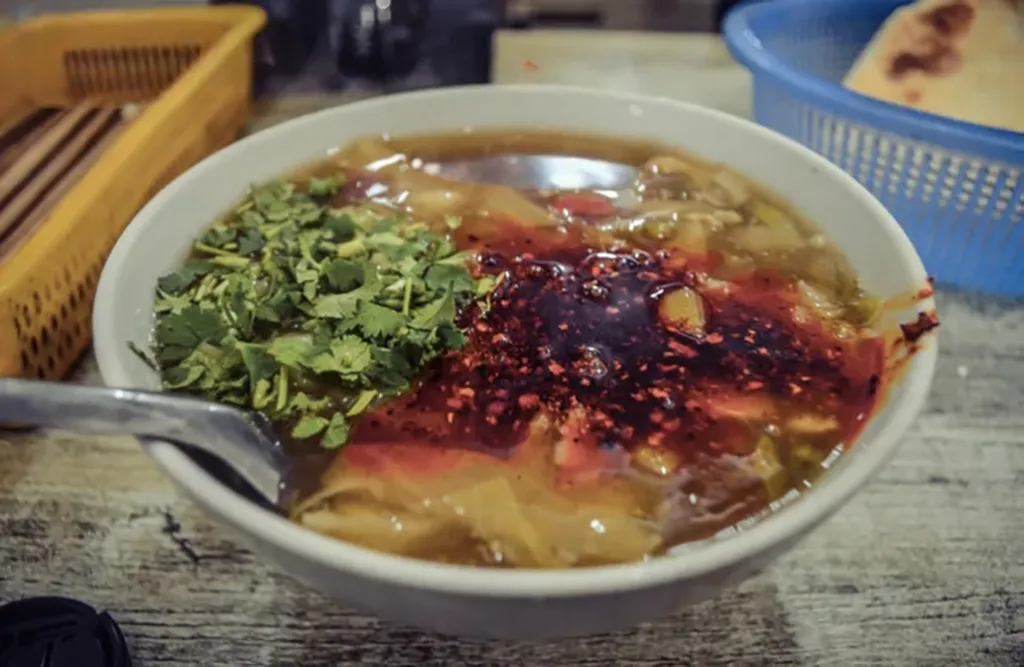
Hu La Tang is a staple breakfast in Xi’an. A steaming, spicy bowl first thing in the morning warms you up, induces a light sweat, and leaves you feeling refreshed.
Compared to the famous Henan version, the Xi’an style emphasizes a numbing spiciness. The soup base is simmered with beef bones, scallions, ginger, and cooking wine, then thickened with potato starch. The rich, velvety broth is filled with beef meatballs, potatoes, cauliflower, zucchini, and other vegetables. For a true local experience, try it in the morning alongside freshly torn tuotuo mo (flatbread).
Recommended Spot:
- Ma Guangrong Meatball Hu La Tang (Halal)
- Hours: 6:30–12:00
- Price Reference: Large bowl of diced beef Hu La Tang 9 RMB, small bowl 8 RMB; braised beef burger 16 RMB
Guàn Tāng Bāo (Soup-Filled Dumplings)
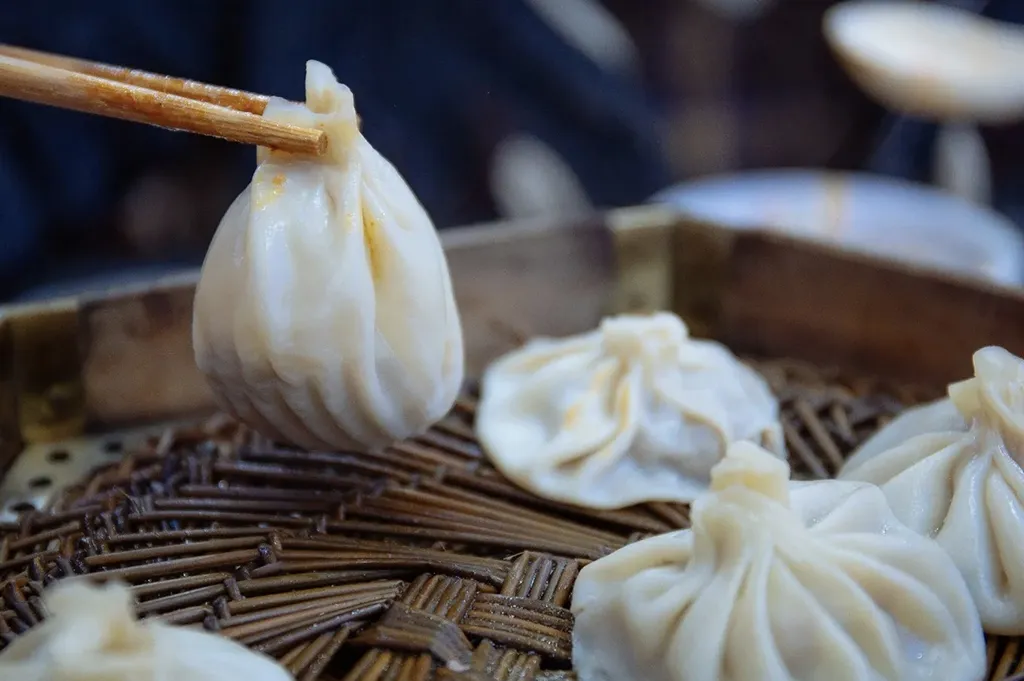
Soup-filled dumplings are found all over China, but each region has its own twist. In Xi’an, Guàn Tāng Bāo leans toward a savory, slightly salty flavor, usually filled with beef or mutton, and served freshly steamed. A steaming basket of these dumplings arrives at your table—bite through the delicate skin, sip the rich, flavorful broth inside, and then savor the tender filling. For an authentic experience, dip them in the accompanying sauce mixed with chili oil.
Recommended Spot:
- Xi’an Jia San Halal Guàn Tāng Bāo Restaurant (Beiyuanmen Main Branch)
- Hours: 8:30–22:00
- Price Reference: Beef Guàn Tāng Bāo 16 RMB/basket, Mutton Guàn Tāng Bāo 17 RMB/basket
Xiǎo Sū Ròu (Crispy Tender Beef)
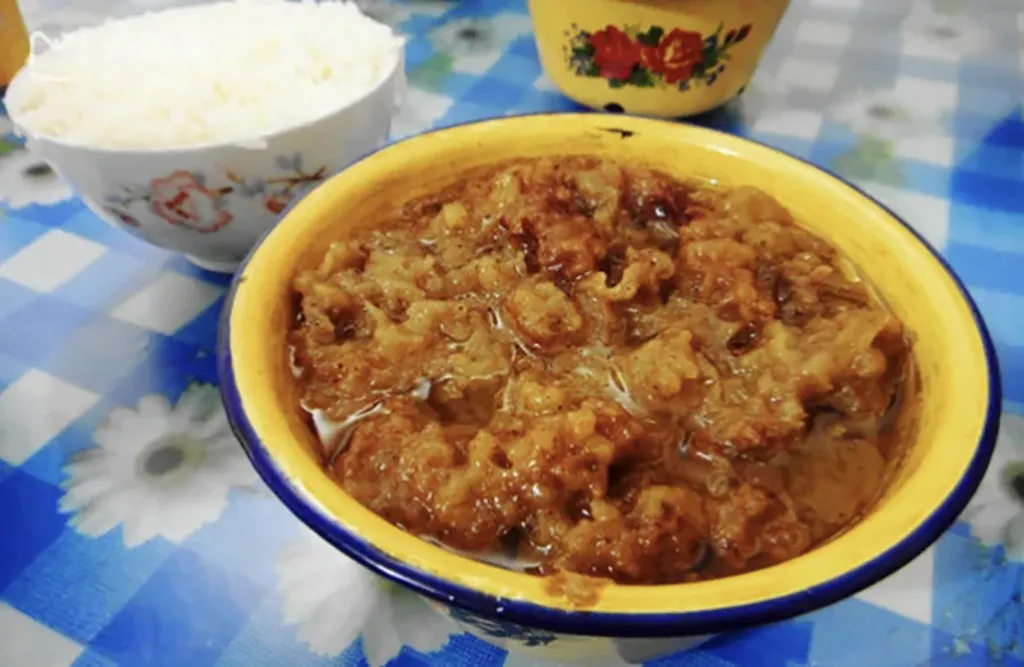
Xiǎo Sū Ròu is a savory meat dish perfect with rice. Tender beef tenderloin is coated in batter and deep-fried, then steamed in a secret beef broth so it absorbs rich flavors. Finally, it’s drizzled with chili oil before serving, making it fragrant and appetizing.
Unlike the deep-fried versions found in other regions, this preparation is unique to Dingjia Xiǎo Sū Ròu on Huimin Street. With over 20 years of history, the restaurant continues to attract loyal customers.
Recommended Spot:
- Halal Dingjia Xiǎo Sū Ròu (Huimin Street Flagship Store)
- Hours: 10:00–20:00
- Price Reference: Beef Xiǎo Sū Ròu 30 RMB
Huáng Guì Shìzi Bǐng (Persimmon Cake with Osmanthus)
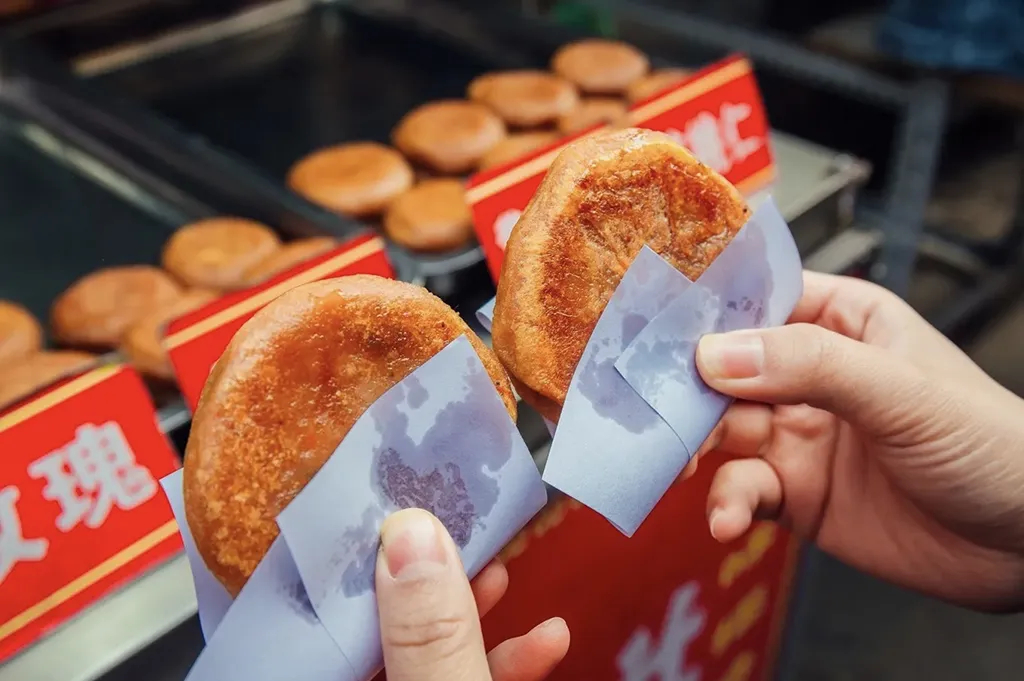
Huáng Guì Shìzi Bǐng is a traditional snack from Shaanxi. The outer layer is made primarily from Tongxian’s specialty fire-crystal persimmons, while the filling combines crushed walnuts and osmanthus paste. The cakes are pan-fried in a special skillet until both sides turn golden brown. Best enjoyed hot, the cakes are chewy and make a perfect small dessert after a meal.
Recommended Spot:
- Qiaozikou Jia Yongxin Huáng Guì Shìzi Bǐng
- Hours: Not specified
- Price Reference: 3 RMB each
Guìhuā Gāo (Osmanthus Rice Cake)
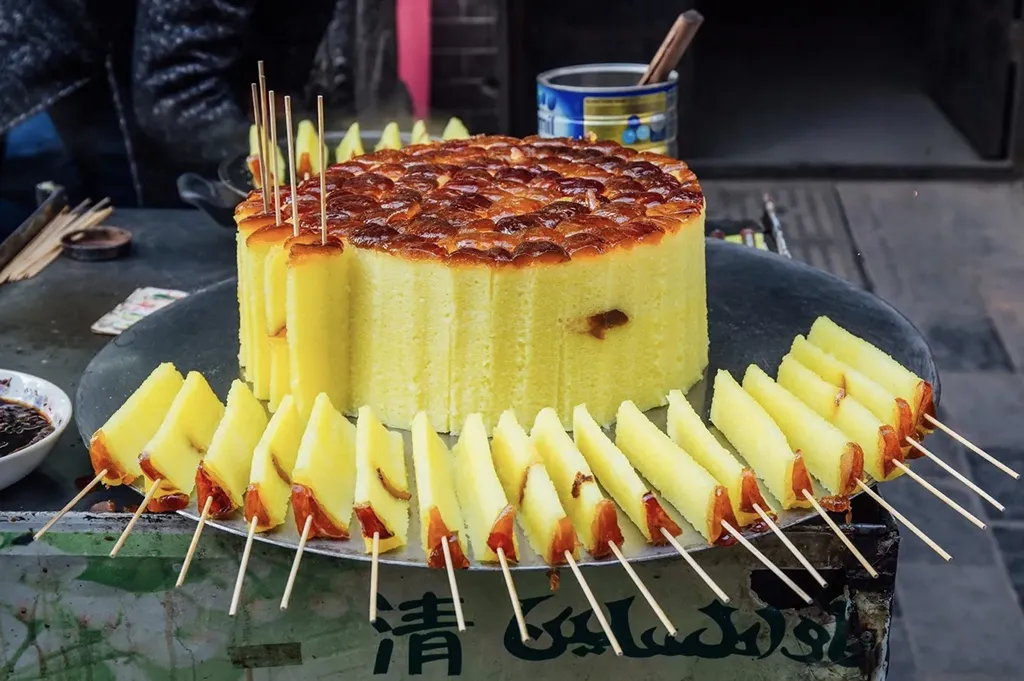
Guìhuā Gāo comes in many varieties, but this golden-hued version is unique to Shaanxi and is a favorite street snack among locals. It’s made by mixing candied osmanthus flowers, glutinous rice flour, and sugar, then steaming the mixture. Usually, vendors prepare it as a large round cake; when purchased, a small strip is cut out with a special knife and served on a bamboo skewer for easy eating.
Recommended Spot:
- Li Dashu Guìhuā Gāo
- Hours: 8:00–23:30
- Price Reference: 3 RMB per strip
Méiguī Jìng Gāo (Rose Mirror Cake)
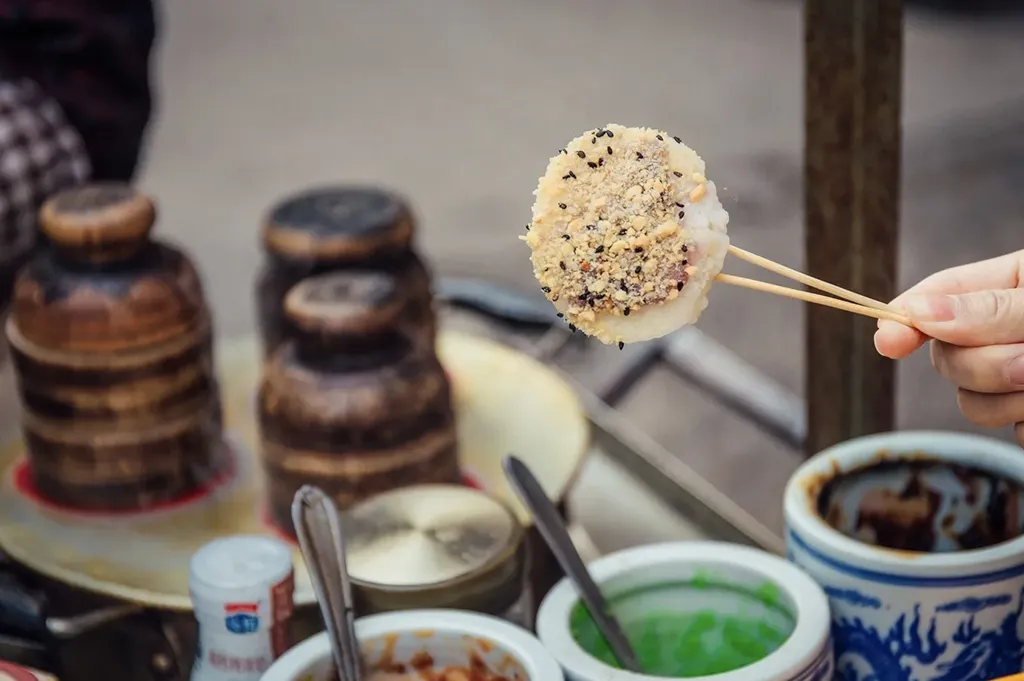
Jìng Gāo is a nostalgic treat for locals in Xi’an, reminiscent of childhood snacks. Made primarily from glutinous rice flour, these palm-sized white cakes are steamed, then brushed with various sauces and coated with black sesame seeds, crushed peanuts, or other toppings. Two bamboo skewers are inserted for easy eating. While flavors vary—blueberry, hawthorn, chocolate, etc.—the rose-flavored version is the signature and most popular choice, offering a sweet, chewy, and appetizing bite.
Recommended Spot:
- Any local street stall usually suffices—most places make it similarly well.