West Lake Classic 1-Day Tour
If you're enchanted by West Lake but have limited time, a one-day walking tour is perfect. This beginner-friendly loop around West Lake allows you to experience all of the lake's ten classic scenic spots in one go.
Mode : Walking/Cycling + Boat
Duration : About 6 hours
Route : 断桥残雪 (Broken Bridge, Duànqiáo Cánxuě) — 白堤 (Bái Dī) — 平湖秋月 (Pínghú Qiūyuè) — 西泠印社 (Xī Líng Yìnshè) — 曲院风荷 (Qūyuàn Fēng Hé) — 苏堤春晓 (Sū Dī Chūnxiǎo, with a distant view of “Double Peaks Piercing Clouds” and “Three Pools Mirroring the Moon”) — 花港观鱼 (Huā Gǎng Guān Yú) — 雷峰夕照 (Léi Fēng Xī Zhào, with a visit to Léi Fēng Pagoda; if not climbing the pagoda, you can go directly to Jìng Cí Temple to admire this view) — 南屏晚钟 (Nánpíng Wǎn Zhōng, Nanping Evening Bell at Jìng Cí Temple) — 长桥 (Cháng Qiáo, Long Bridge) — 柳浪闻莺 (Liǔ Làng Wén Yīng) — 集贤亭 (Jíxián Tíng, Pavilion of Gathering Talents)
If you want to visit Three Pools Mirroring the Moon , you’ll need to take a boat from near the Huā Gǎng Guān Yú (Flower Harbor and Fish Viewing) area or the Sū Dī entrance.
Attraction Highlights:
Cháng Qiáo (Long Bridge) "孤山不孤,断桥不断,长桥不长" ("Gū Shān bù gū, Duànqiáo bù duàn, Chángqiáo bù cháng"—"Gushan is not lonely, Broken Bridge is not broken, Long Bridge is not long.")Similar to Broken Bridge , Long Bridge is also known as a bridge of love, with a famous story of Liang Shanbo and Zhu Yingtai parting at this bridge, saying goodbye eighteen times. Although it is not long, the sentiment lingers, which is why it is called "Long Bridge". Today, it's a great spot to get a close view of Leifeng Pagoda.
Liang Shanbo and Zhu Yingtai are the characters in the well-known Chinese tale, often compared to Romeo and Juliet in the West.
Leifeng Pagoda is also related to another famous Chinese story, The Legend of the White Snake , where the beautiful and kind snake spirit is imprisoned under the pagoda by the monk Fa Hai.
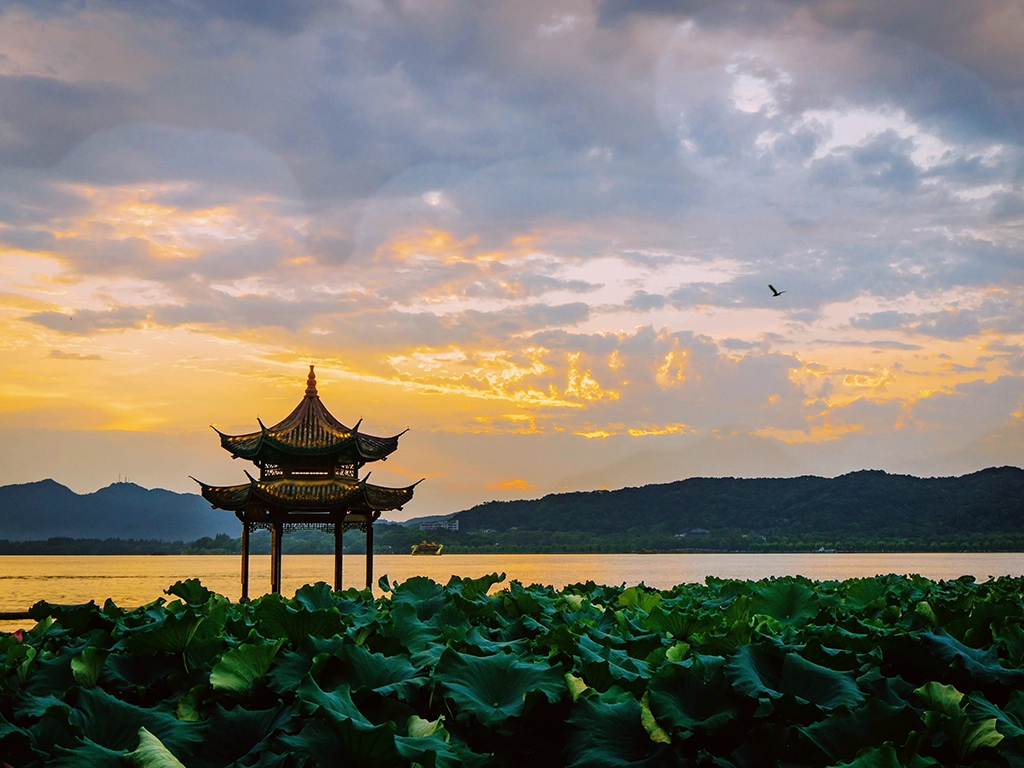
Jíxián Tíng (Pavilion of Gathering Talents) It is said that there are over 300 pavilions around West Lake, with Jíxián Tíng being the most famous. Located opposite the Wàn Jié Liú Xiāng stone tablet in Xī Hú Park , this pavilion stands on the lake and is considered one of the Eighteen Scenic Spots of West Lake from the Qing Dynasty. It is now a favorite spot for photographers.
Read Next: Planning your Hangzhou trip? Our First Time in Hangzhou guide covers the top West Lake attractions, and Hangzhou Tea Culture explores the city’s famous tea heritage.
Easy West Lake 8-Scenic Spots Tour
If the full route above feels a bit too long, we have prepared a shorter, easier version of the West Lake tour. You will miss out on Nanping Evening Bell and Willows Whispering in the Breeze , but it’s more relaxed and perfect for those who want to take their time and enjoy West Lake at a more leisurely pace.
Mode : Boat + Walking
Duration : About 4 hours
Route :Yi Gong Park Dock — Three Pools Mirroring the Moon — Distant view of Leifeng Sunset — Huā Gǎng Guān Yú — Sū Dī Chūnxiǎo (distant view of "Double Peaks Piercing Clouds") — Qūyuàn Fēng Hé — Gū Shān — Pínghú Qiūyuè — Bái Dī — Duànqiáo Cánxuě
West Lake Deep Exploration
If you have more time and want to explore at a relaxed pace, we recommend dividing your West Lake tour into three routes: South, North, and West. Each route offers its own unique charm, worth spending half a day to a full day on, stopping to enjoy views you might otherwise miss.
South Route
To sum up the South route in two words: modern and leisurely. As one of the most classic routes for a deep exploration of West Lake, this route covers four of the ten classic West Lake scenic spots (Leifeng Pagoda, Jìngcí Temple, Taizi Bay, Huā Gǎng Guān Yú). However, it’s also the most popular with tourists.
Route :Hú Bīn Park (Jíxián Tíng) — Liǔ Làng Wén Yīng — Qián Wáng Cí — Hangzhou West Lake Museum — Cháng Qiáo — Leifeng Sunset (Leifeng Pagoda) — Nanping Evening Bell (Jìngcí Temple) — Zhāng Tàiyán Memorial Hall — Taizi Bay Park — Huā Gǎng Guān Yú
Besides the popular scenic spots, this route also passes Qián Wáng Cí (Qian Wang Temple), Hangzhou West Lake Museum , Cháng Qiáo (Long Bridge), Zhāng Tàiyán Memorial Hall , and Taizi Bay Park.
Attraction Highlights:
Qián Wáng Cí (Qian Wang Temple): Built during the Northern Song Dynasty (Xi Ning era), Qián Wáng Cí is dedicated to the King of Wuyue, Qian Hu , for his accomplishments. Originally named Biǎo Zhōng Guàn , it became Qián Wáng Cí in the Qing Dynasty. This site is rich in history and culture, and is now listed as one of the "New Ten Scenic Spots of West Lake." From February to March, the plum blossoms are in full bloom, so don't miss it when walking along the Liǔ Làng Wén Yīng (Willows Whispering in the Breeze) path.
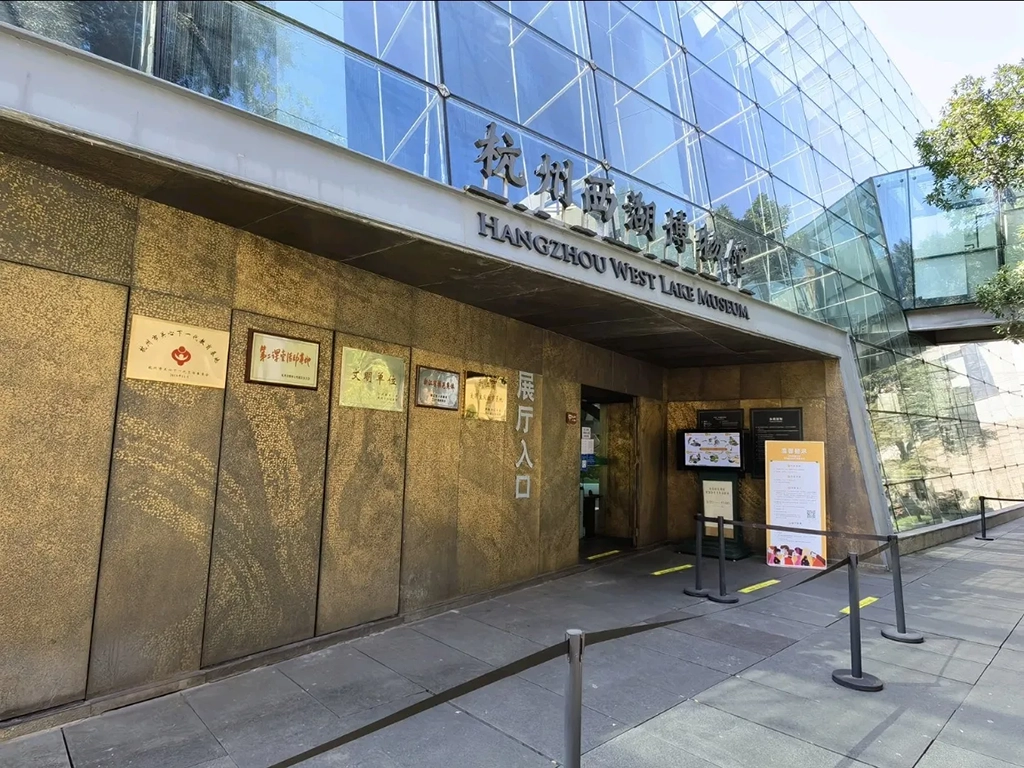
Hangzhou West Lake Museum: Located by the lake, this is China’s first museum dedicated to lake-related themes. With its modern, minimalist design, much of the building is underground, blending seamlessly with the surrounding landscape. The museum provides insights into the history of West Lake, making it a must-visit for those curious about its past.
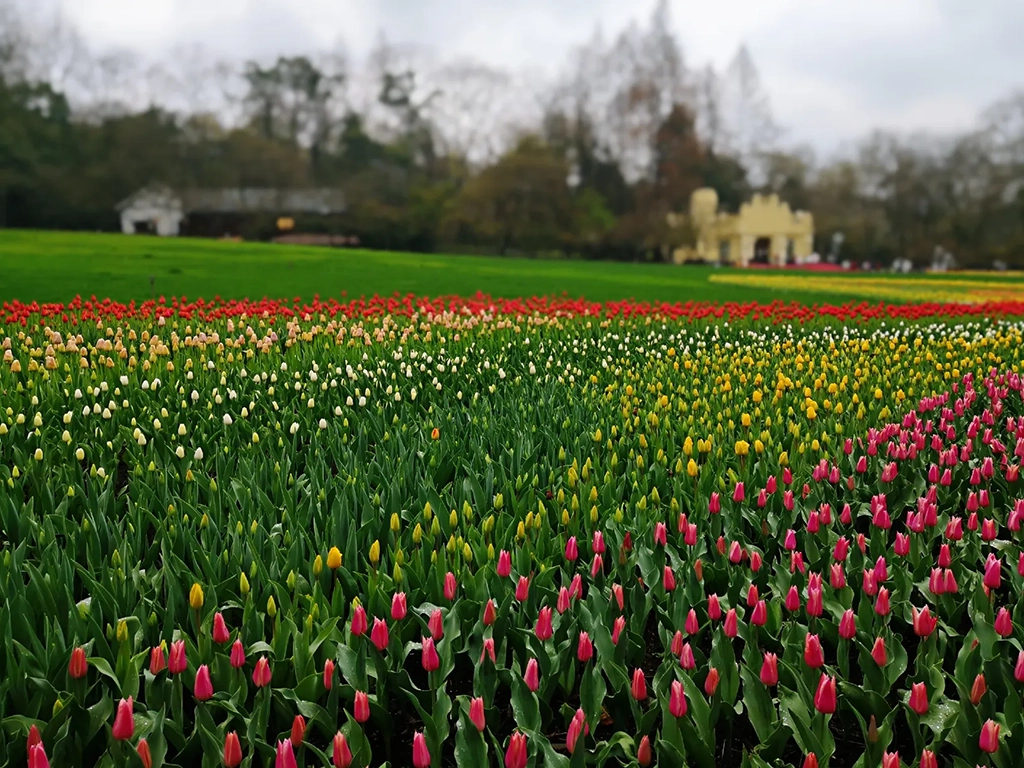
Taizi Bay Park: Situated at the southwest corner of West Lake, Taizi Bay is a romantic park. The most beautiful time to visit is from late March to early April when cherry blossoms and tulips bloom. If you're visiting during this time, it's definitely worth a stop.
North Route
The North route of West Lake is characterized by a cultural atmosphere. This area is especially beautiful in the autumn, when the French sycamores along Běi Shān Lù (North Mountain Road) turn into a golden spectacle.
This route also takes you through the famous Gū Shān (Solitary Mountain), a cultural hub of West Lake and a haven for scholars. Although small, it is rich in cultural landmarks, including one scenic spot (Pínghú Qiūyuè , Autumn Moon on the Peaceful Lake), one society (Xī Líng Yìnshè , Xiling Seal Engraving Society), one causeway (Bái Dī , White Causeway), and two museums (Zhejiang Provincial Museum and the Ancient Books Section of the Zhejiang Provincial Library). If you appreciate cultural landscapes, make sure to dedicate at least half a day to explore Gū Shān in depth.
Route :Gé Lǐng — Duànqiáo Cánxuě — Bái Dī — Pínghú Qiūyuè — Zhejiang Provincial Museum — Zhōng Shān Park — Xī Líng Yìnshè — Yuè Wáng Temple
Attraction Highlights:
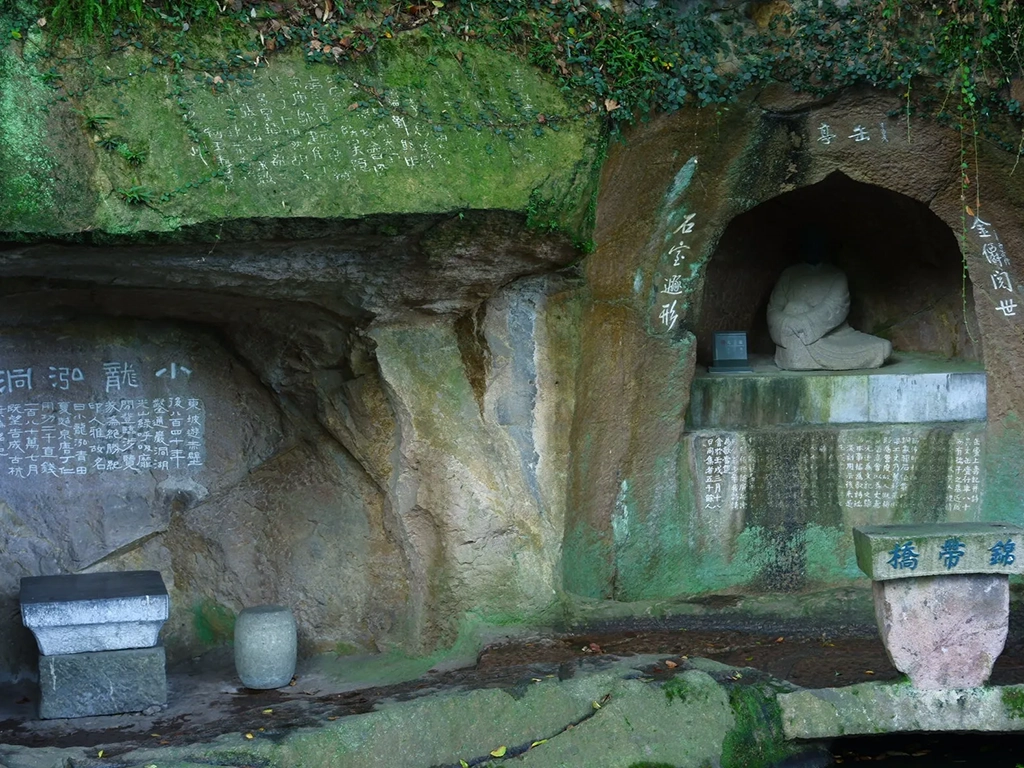
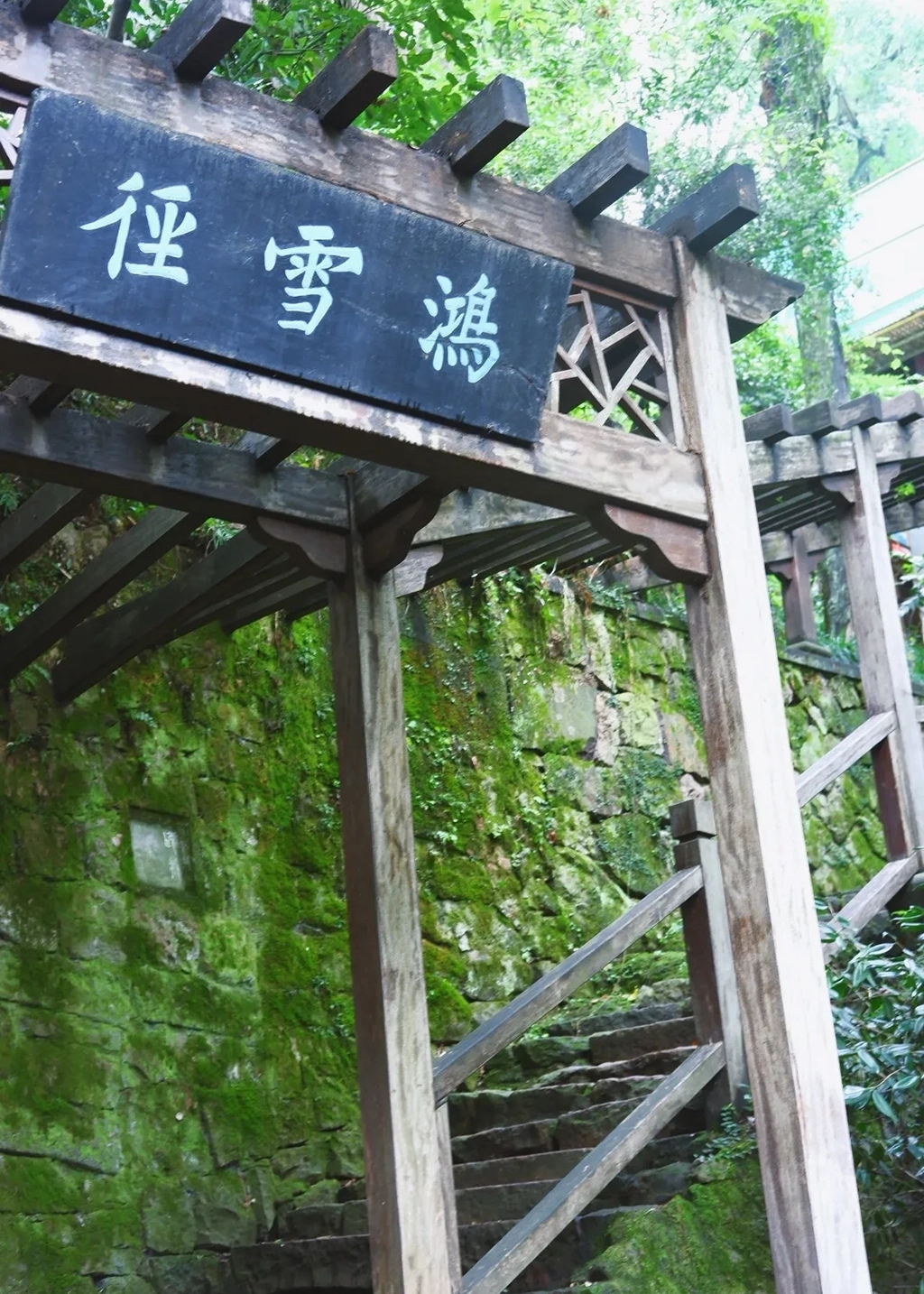
Gé Lǐng: One of the Ten Scenic Spots of Qiántáng , Gé Lǐng is famous for its spectacular sunrise. A renowned Taoist mountain, it is said to have been the retreat of the famous Taoist alchemist Gè Hóng during the Eastern Jin Dynasty. If you're an early riser, this is the perfect spot to begin your North route exploration.
Zhejiang Provincial Museum: The museum has two main sections: the Wú Lín Gallery and the Gū Shān Gallery. While the former houses a larger collection, the Gū Shān Gallery , located near West Lake, offers a charming atmosphere with its traditional Jiangnan architecture and covered walkways. The unique "garden within a museum, museum within a garden" layout makes it a photographer's dream.With over 100,000 relics in its collection, including the Five Dynasties Gilt Silver Ashoka Tower , this museum is a treasure trove of historical artifacts that are definitely worth exploring.
Opening Hours : 9:00 AM to 5:00 PM (Last admission at 4:30 PM, Closed on Mondays)
Zhōng Shān Park: Unlike most of the other parks in Hangzhou, Zhōng Shān Park is quite distinctive. It gained fame during the Tang Dynasty and was later part of the Qing Dynasty imperial gardens. In 1927, it was renamed to honor Sūn Zhōngshān (Sun Yat-sen). One of the park’s unique features is the pair of Hàn Bái Yù Shī (white marble lions) at the entrance, relics from the Ming Dynasty. These lions face the Fùdàn Guānghuá Páiliú (Fudan University Guanghua Archway), creating a quiet, picturesque setting that’s perfect for peaceful walks and photography.
Xī Líng Yìnshè: (Xiling Seal Engraving Society)Founded in 1904, the Xī Líng Yìnshè is the oldest and most prestigious art society dedicated to the study of seal carving and inscriptions. Often referred to as the "First Society of the World," it has been home to many celebrated figures such as Lǐ Shūtóng , Huáng Bīnhóng , and Fēng Zǐkǎi , who helped elevate its status. The society is located in a classical garden, adorned with stone carvings and elegant, curved rooftops, creating a captivating blend of art and nature. It's an ideal spot for photography, with every corner exuding cultural charm.
West Route
The West route is a more quiet and off-the-beaten-path option. Compared to other routes, this area has fewer tourists, with locals often visiting on weekends. This route is perfect for those who want to escape the crowds and enjoy tranquil beauty. Key spots to visit include Yù Hú Wān (Bathing Heron Bay) and Máo Jiā Bù , both beautiful and serene locations.
Route :Qūyuàn Fēng Hé — Guō Zhuāng — Máo Jiā Bù — Lóng Hóng Jiàn — Wū Guī Tán — Yù Hú Wān — Mǎn Lǒng Guì Yǔ Park
Attraction Highlights:
Guō Zhuāng: While Suzhou is renowned for its gardens, Hangzhou has its own splendid offerings. Guō Zhuāng (also known as the "First Garden of West Lake") is one of Hangzhou’s most famous gardens, ideal for tea lovers and those seeking a tranquil view of the lake. The garden is split into two main sections: Jìng Xīn Jū and Yī Jìng Tiān Kāi , with picturesque bridges and flowing waters embodying the Jiangnan region’s charm.
Máo Jiā Bù: Compared to other West Lake attractions, Máo Jiā Bù is relatively hidden. The area offers a glimpse into the local way of life, with its natural beauty and rustic charm. The name comes from the thatched cottages that once dotted the area during the Ming and Qing Dynasties. This scenic spot is ideal for a peaceful walk, offering a peaceful retreat for both locals and visitors.
Yù Hú Wān (Bathing Heron Bay): Though the bus station at the west entrance of Huā Gǎng Guān Yú (Flower Harbor) is called Yù Hú Wān , not many people know about it. A small, quiet garden offering a serene atmosphere, it's the perfect place to relax and enjoy nature without the crowds.