"Black Myth: Wukong" features not only scenic spots from Shanxi Province but also includes ancient sites from various other provinces and cities across China. Here is an introduction to some of these sites:
Shi Si Temple - Lishui City, Jingning County
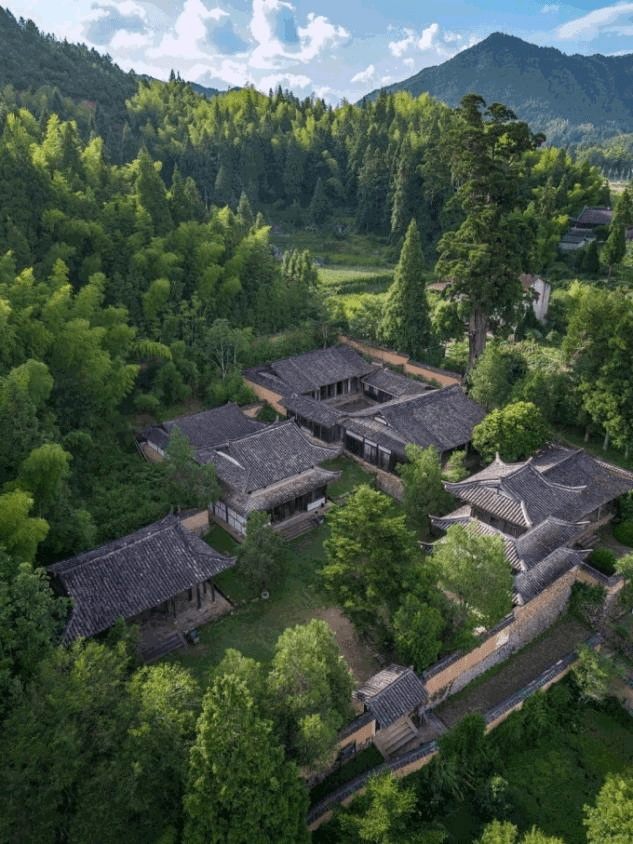
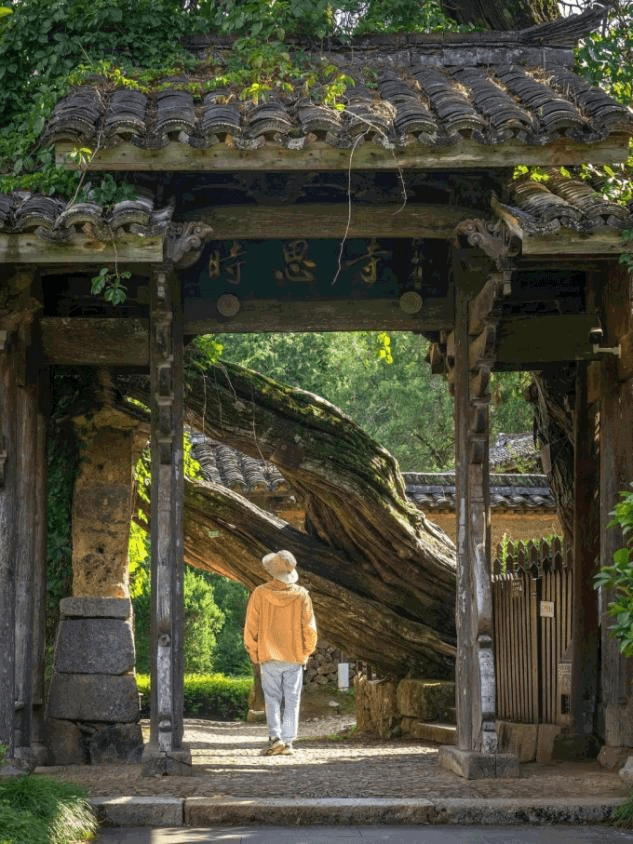
Shi Si Temple is an ancient wooden temple with architectural features dating back to the Southern Song Dynasty. It has preserved buildings from the Song, Yuan, Ming, and Qing dynasties.
The 1500-year-old sugi tree in the temple stands defiantly, its trunk piercing the sky, earning it the title of the "largest in Asia".
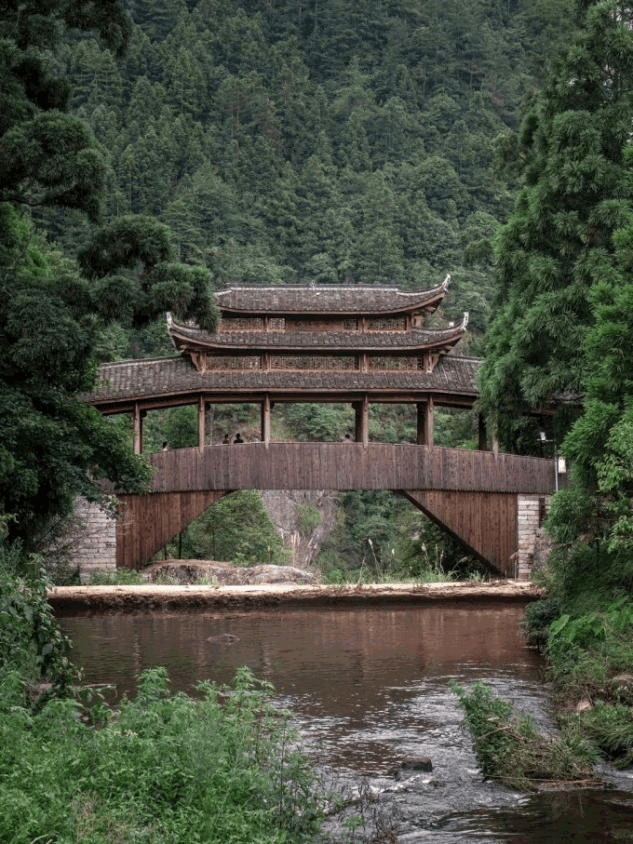
The Mei ancestral hall, a historic site featured in the game, is located to the left of the temple. Surrounded by towering mountains, cascading waterfalls, and ancient trees, the temple is embraced by the clear waters of the Muhe Creek, crossed by a wooden bridge. The serene and elegant environment is a testament to its rich history.
Read Next: For more Black Myth: Wukong locations, see our 36 Superb Set Locations guide or Shanxi Scenic Spot Guide.
Anyue Grottoes - Anyue County, Ziyang City
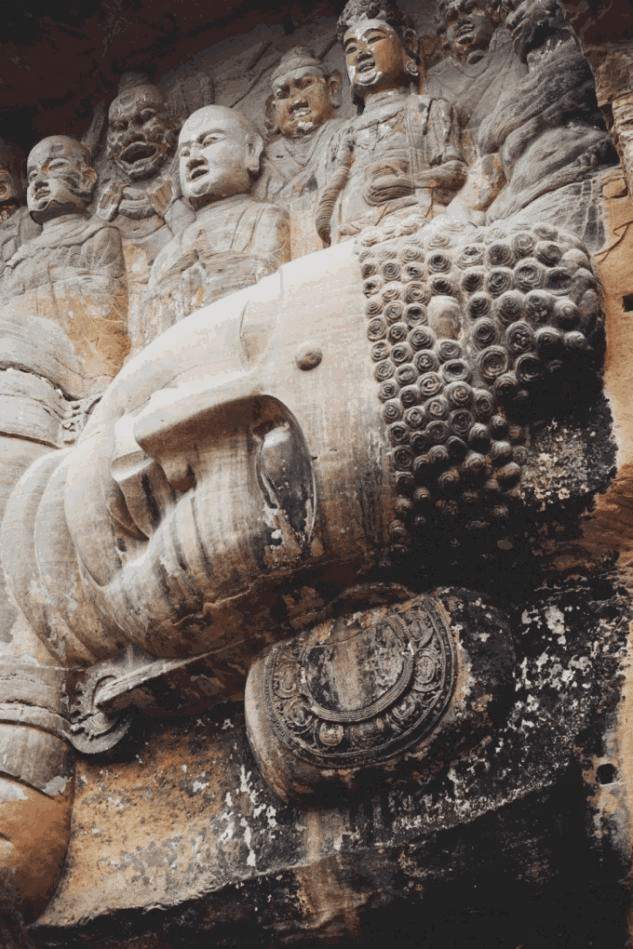
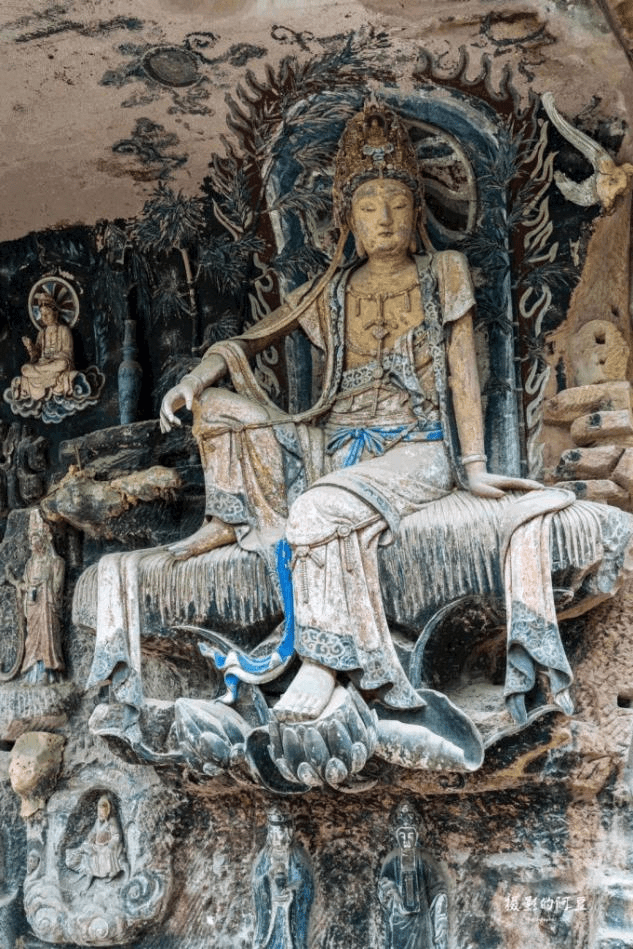
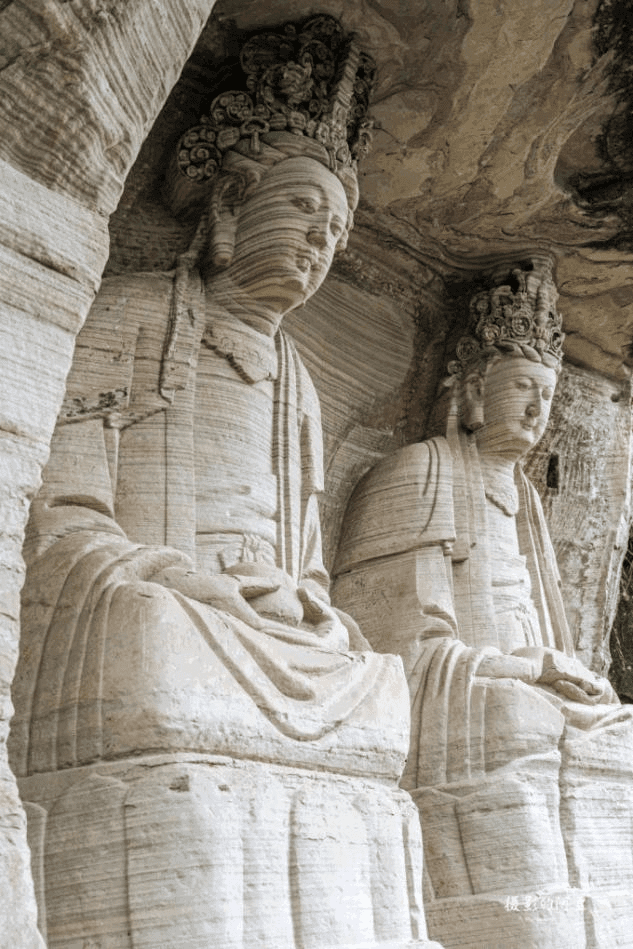
Dating back to the Northern and Southern Dynasties and flourishing during the Tang, Song, and Five Dynasties periods, over 100,000 statues have been quietly resting here for a millennium.
The Anyue sculptures, often compared to the masterpieces of Dunhuang and Dazhu, exhibit a remarkable diversity of styles. From the simple and sturdy figures of the Wei and Jin dynasties to the voluptuous and majestic forms of the Tang Dynasty, and from the intricate and delicate works of the Song Dynasty to the miniature wonders of the Five Dynasties period, the sculptures of Anyue offer a rich tapestry of Buddhist art.
An Yue is home to over 200 registered cultural relics, each a testament to its rich sculptural heritage. Unlike the meticulously preserved Mogao Caves and Yungang Grottoes, An Yue's treasures are often tucked away in secluded villages and hidden within the embrace of nature, waiting to be unearthed by the intrepid explorer.
The seven most representative places are recommended: Pilu Cave, Yuanjue Cave, Huayan Cave, Mingshan Temple, Reclining Buddha Courtyard, Tapo Statue, and Peacock Cave.
Dazu Rock Carvings - Dazu District, Chongqing
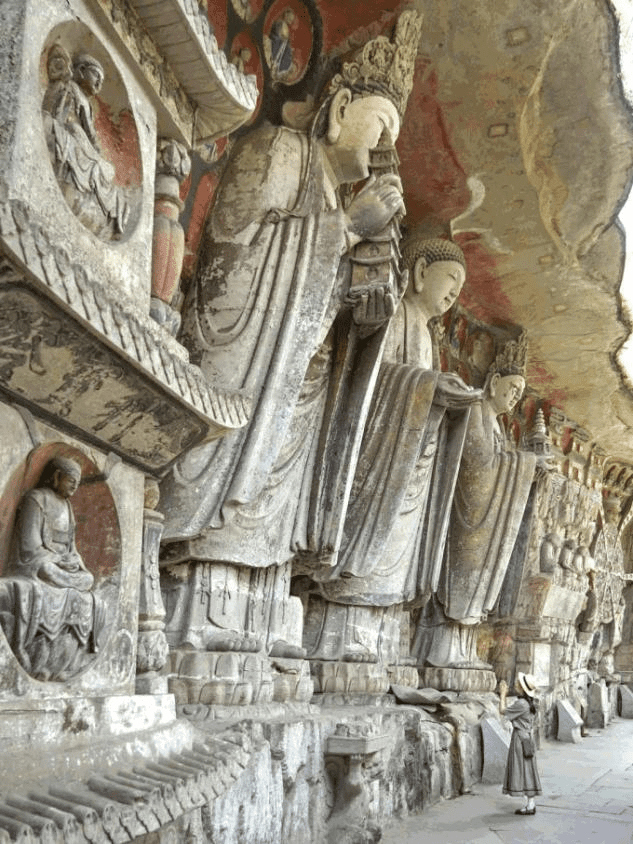
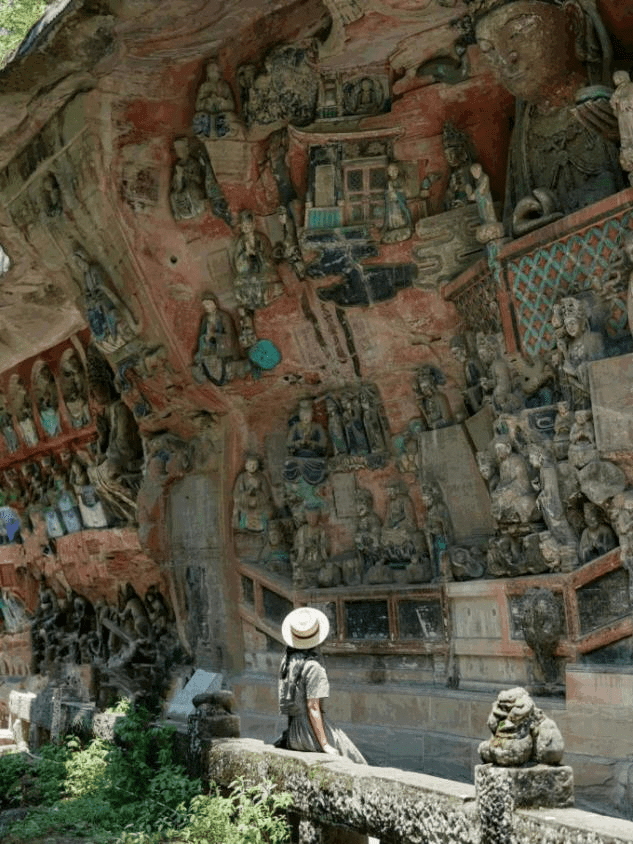
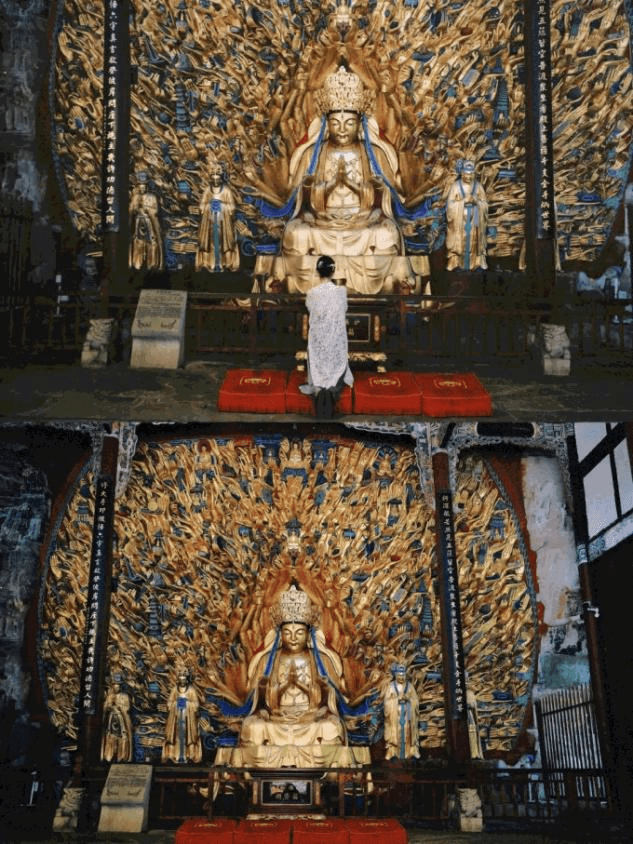
The Dazu Rock Carvings in the mountains and forests of Chongqing were carved from the early Tang Dynasty to the Ming and Qing Dynasties, spanning thousands of years. They are the culmination of the essence of Chinese stone carving art. Together with the Mogao Grottoes in Dunhuang, they form the title of "North Dunhuang, South Dazu". It is the only world cultural heritage in Chongqing.
Unlike other grottoes, the Dazu Rock Carvings offer more than just the grandeur of "three thousand Buddhas appearing among the clouds." These sculptures also provide a vivid portrayal of local life and customs, blending Buddhist, Taoist, and Confucian elements. This unique fusion of the secular and the sacred creates a distinctive artistic tapestry that is unparalleled in Dazu.
Dazu Rock Carvings, located in Dazhu District, are a collection of over a hundred cliff face carvings. The most famous sites include Baoding Mountain, Beishan Mountain, Nanshan Mountain, Shimen Mountain, and Shizhuan Mountain, which are renowned for their grand scale, intricate carvings, and diverse themes.
Kaiyuan Temple Pagoda - Licheng, Quanzhou City
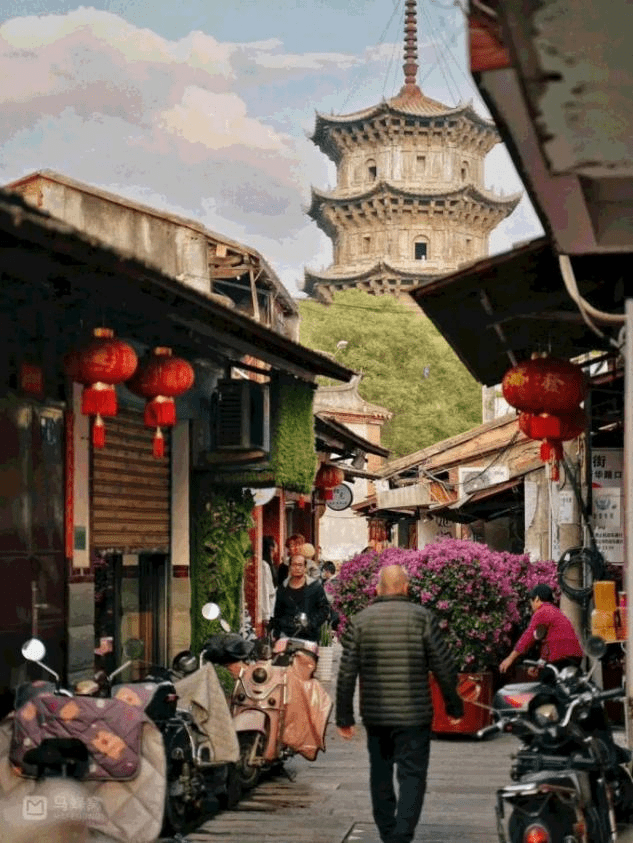
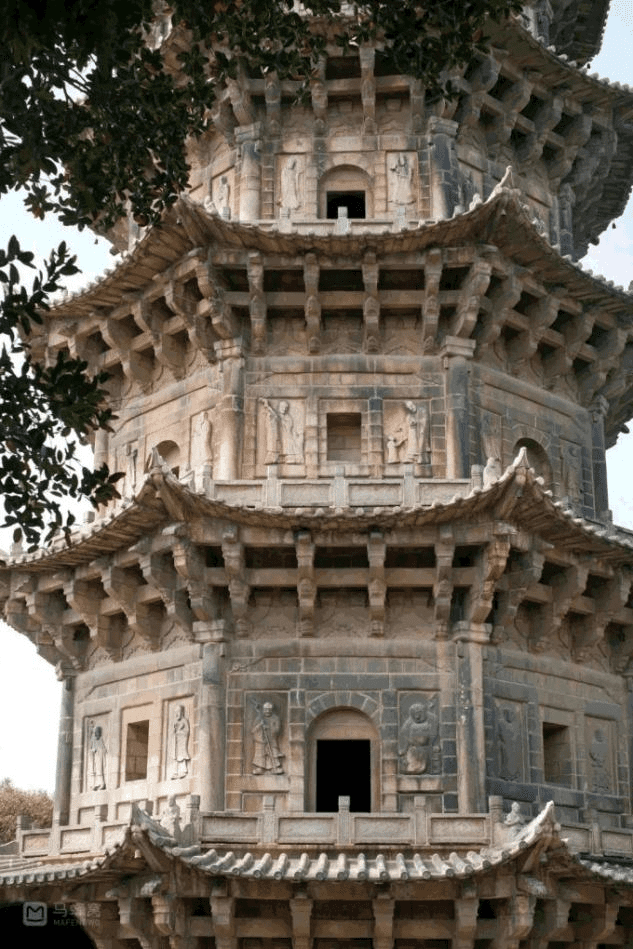
The Kaiyuan Temple Pagoda in Quanzhou's Licheng District is comprised of two pagodas within the Kaiyuan Temple complex. The Renshou Pagoda, built in the 13th century, stands at 44.06 meters, while the Zhen Guo Pagoda, also built in the 13th century, reaches a height of 48.24 meters.
The twin pagodas are adorned with numerous stone carvings, and the topmost gem of each pagoda bears inscriptions. Standing for nearly eight centuries, these pagodas have become iconic landmarks not only for the city of Quanzhou but also for the Maritime Silk Road.
Three Pagodas of Chongsheng Temple - Dali City
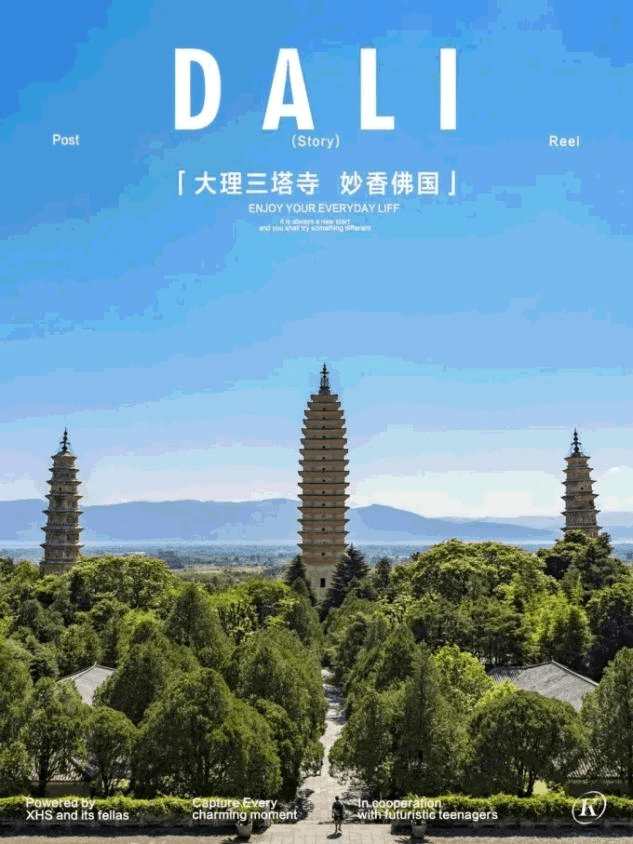
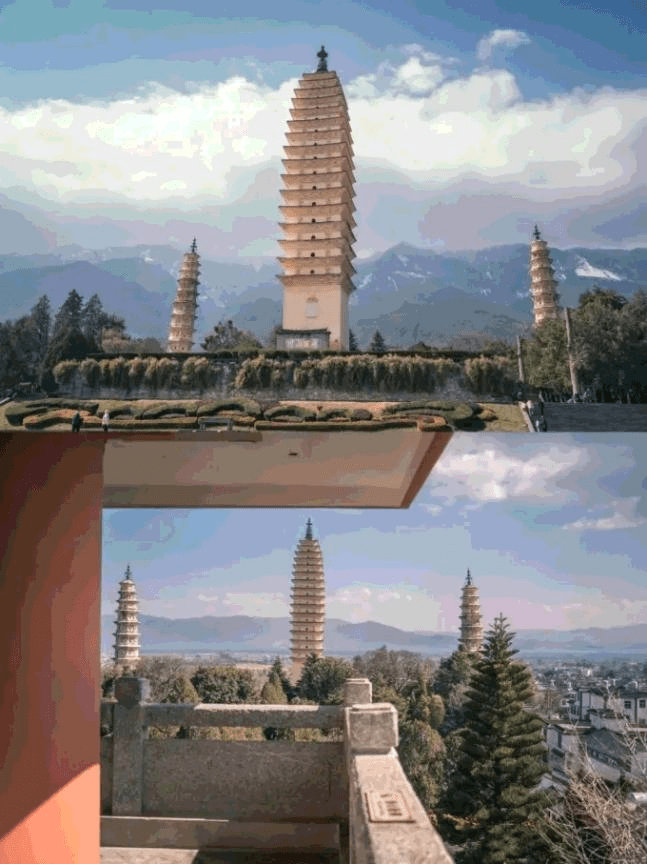
Chongsheng Temple was the royal temple of the Dali Kingdom. The only existing monuments are the three pagodas. The temple was built later. The reflection of the three pagodas is also the most famous "business card" of Dali.
The main tower, known as the Qianxun Pagoda, along with the Big and Small Wild Goose Pagodas in Xi'an, are all representative of Tang Dynasty architecture. The two side towers are octagonal brick pagodas, located 70 meters away from the main tower. A small exhibition hall within the park showcases some of the artifacts unearthed from the three pagodas.
Shuilu Temple - Lantian County, Xi'an
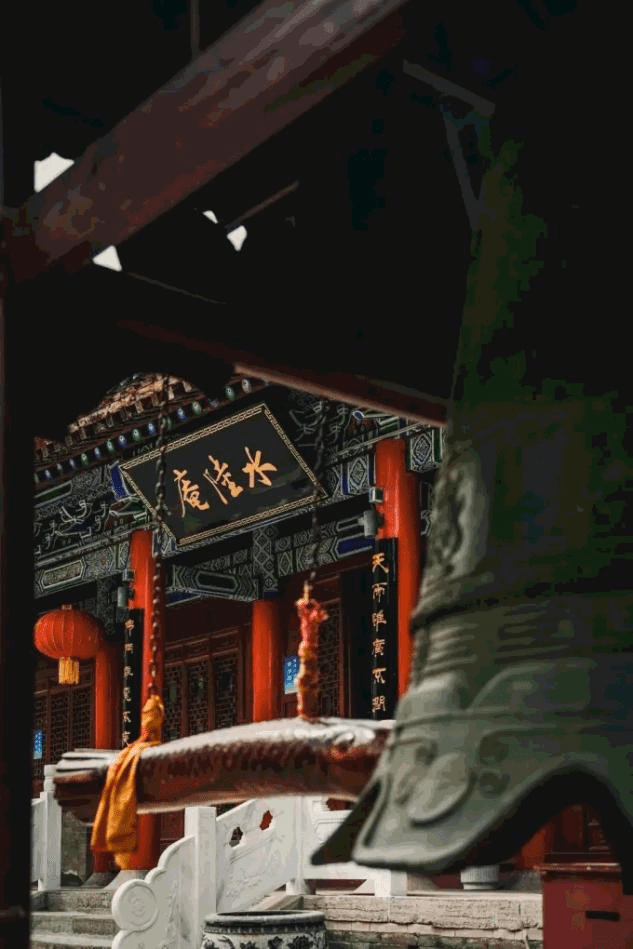
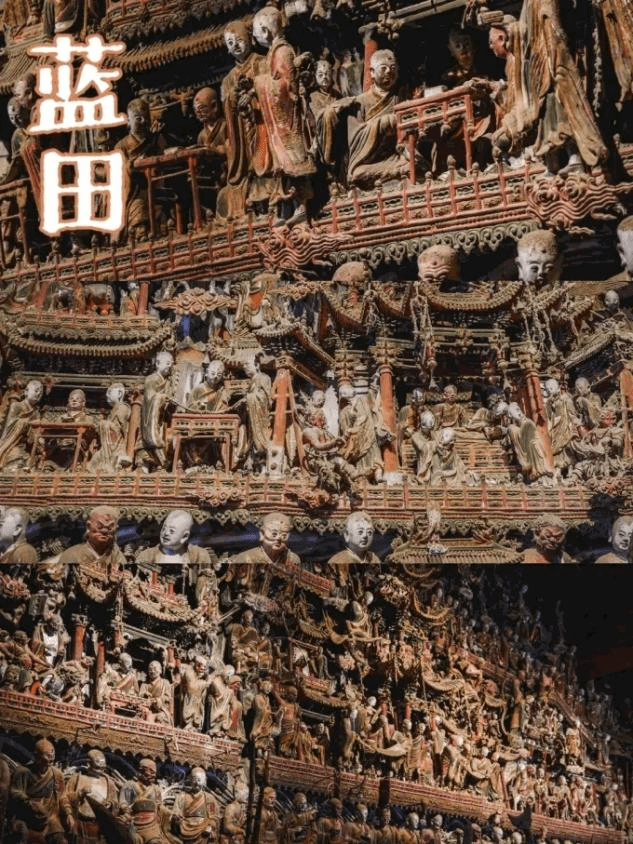
Shuilu Temple is a Buddhist holy place known as the "world's first colorful linked wall sculpture".
It has the largest group of wall sculptures in China, with more than 3,700 preserved clay sculptures, which are known as "treasures of wall sculptures."
Dule Temple - Jizhou District, Tianjin
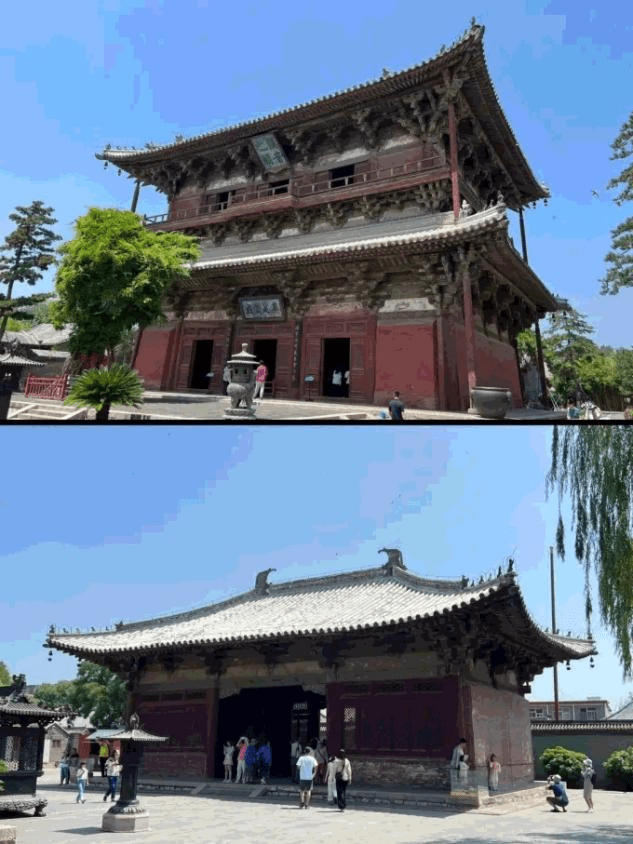
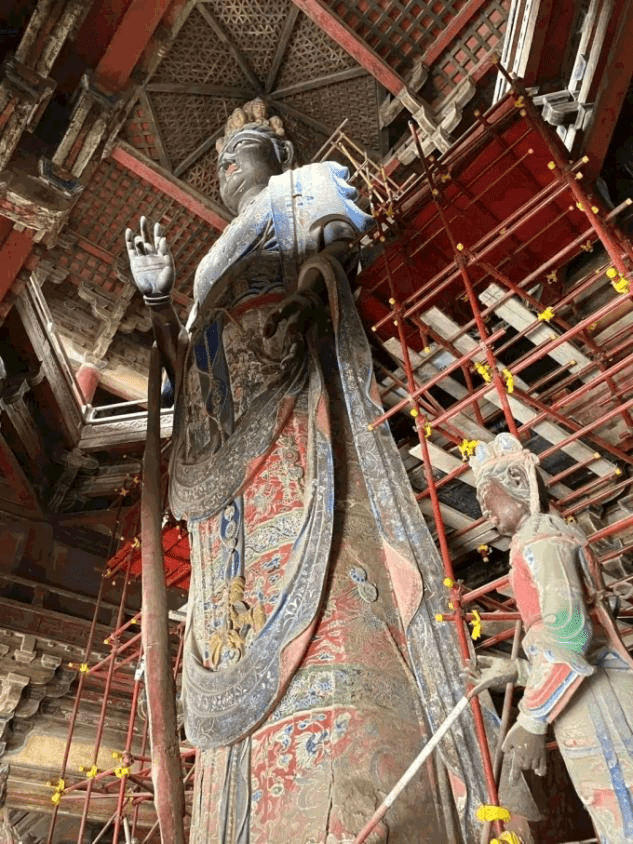
Dule Temple in Ji County was once praised by Liang Sicheng as the "Supreme National Treasure". It is a small temple, but it has two precious Liao Dynasty wooden structures. The mountain gate with deep eaves and the stable and solemn Guanyin Pavilion are both rare treasures.
Housed within the Guanyin Pavilion stands a magnificent Eleven-faced Guanyin statue dating back to the Liao Dynasty, renowned as the largest indoor sculpture ever discovered.
Nan 'an Temple Pagoda - Zhangjiakou Wei County
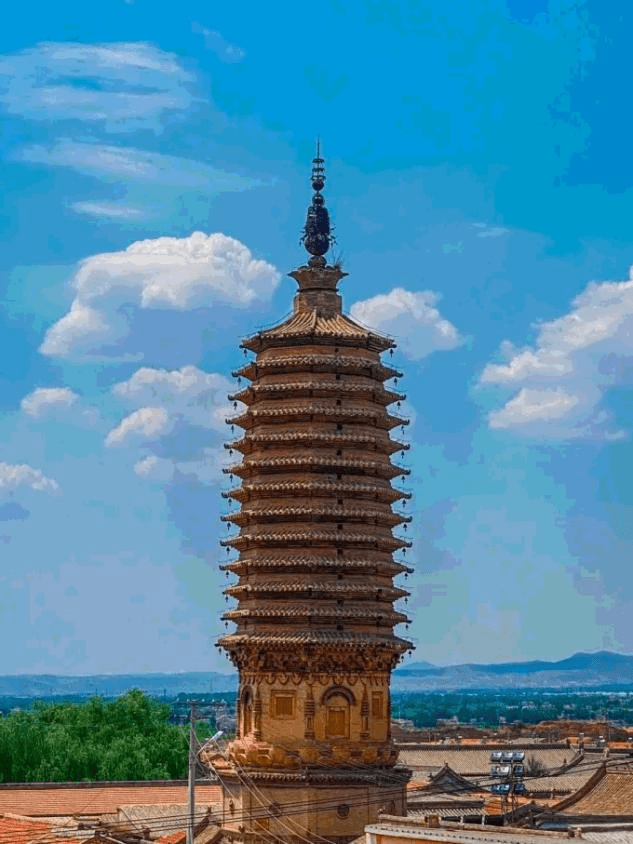
Nan'an Temple Pagoda, located on the west side of the south gate of Wei County, was first built in the Northern Wei Dynasty and rebuilt in the Liao Dynasty. The tower is 32.1 meters high and is a 13-story, 8-sided, 13-level solid dense-eaves brick tower. It is a representative building of the Northern Wei dense-eaves brick tower.
Jade Emperor Pavilion - Zhangjiakou Wei County
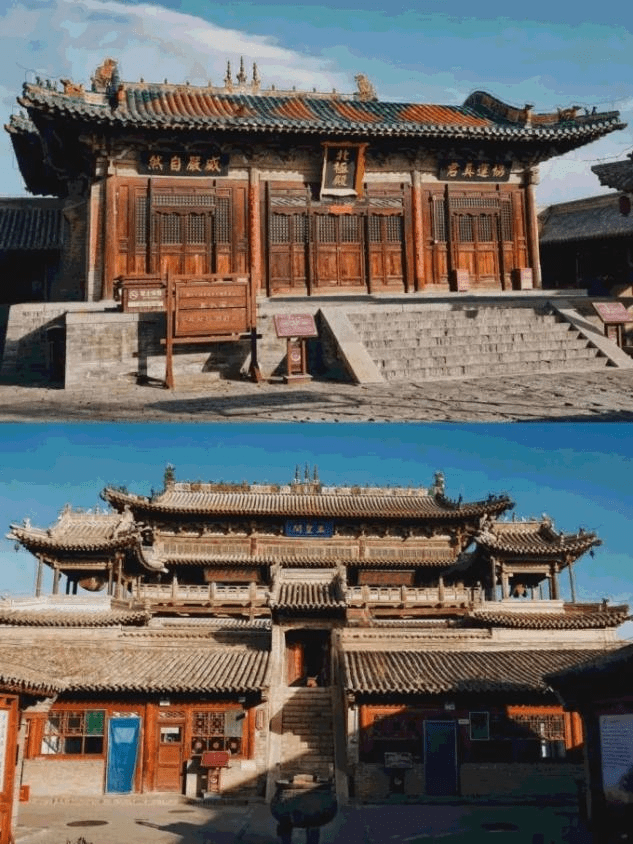
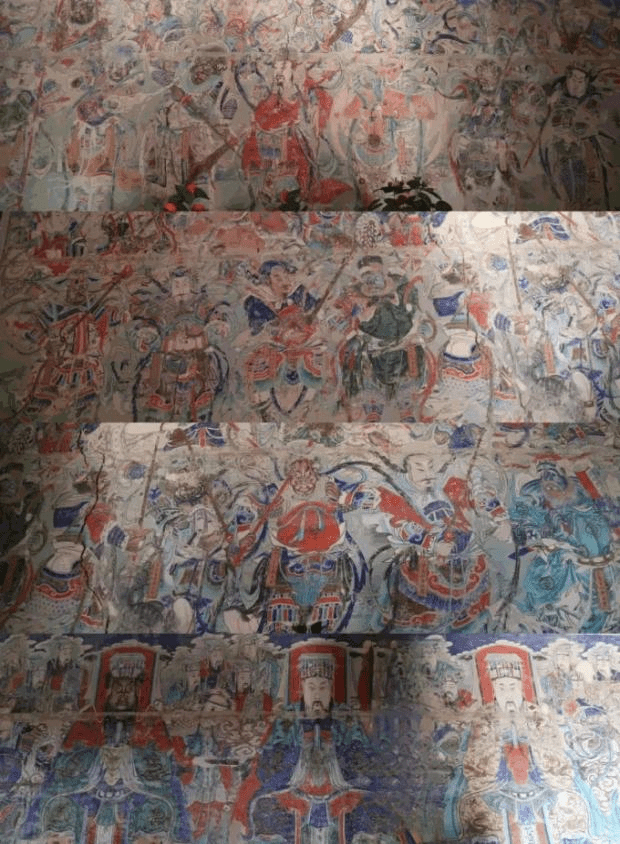
The Jade Emperor Pavilion, also known as Jingbian Tower, was built in the 10th year of Hongwu in the Ming Dynasty (1377). The main attraction is the main hall of the Jade Emperor Pavilion, which has a triple-layered glazed tile roof, a glazed flower ridge with glazed coiled dragons at both ends, and colorful clay sculptures of the Eight Immortals on the ridge.
The hall features three original Ming Dynasty murals adorned with lacquer and gold leaf. These vibrant murals depict the legendary "Thirty-Six Thunder Gods" in vivid detail.