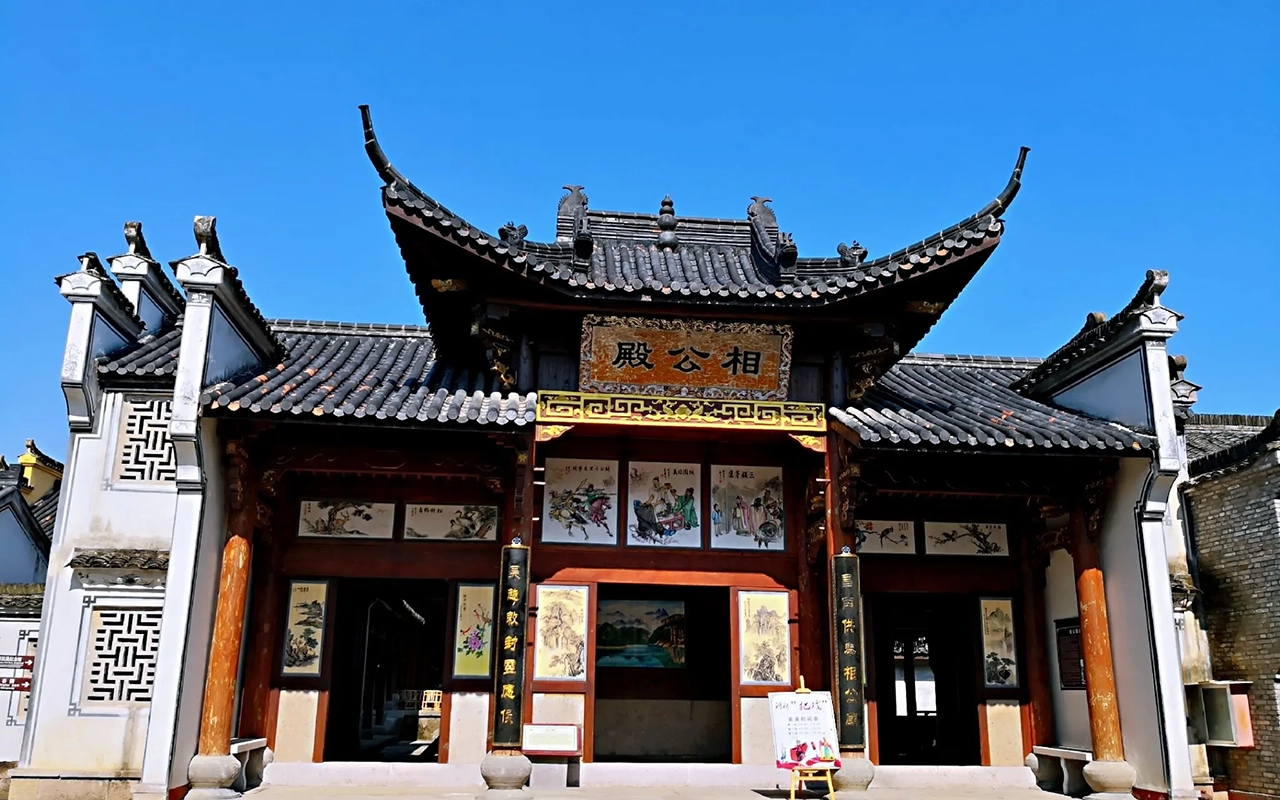
The Jiangsu-Zhejiang-Shanghai region in eastern China is dotted with charming water towns—known as Jiangnan Ancient Towns( Jiangnan Guzhen 江南古镇)—where winding canals and traditional architecture create a timeless atmosphere. These towns are living museums of ancient waterside life, offering visitors a rare glimpse into the cultural roots of southern China.
If you know when to avoid the crowds and skip the overly commercialized spots, you'll find that each of these ancient towns has a unique charm and a deeply authentic local rhythm. From the popular Six Famous Water Towns to lesser-known hidden gems, there’s always something new to discover in Jiangnan.
Wuzhen: China’s Last True Waterside Village
Among the most beloved Jiangnan towns, Wuzhen(乌镇)stands out for its shuige(⽔阁) —waterside pavilions built on stilts over canals, a rare architectural relic of the region. This is why Wuzhen is often called “the last real waterside home in China.”
Wake early to catch the sunrise over the rooftops from the East Scenic Zone (Dongzha), stroll through the West Scenic Zone (Xizha) as dusk quietly falls, or write a letter to a distant friend from the town’s old post office. Drift along the waterways, lose yourself in the gentle rhythm of dragon-shaped rice paddies, and let the timeless beauty wash over you.
Wuzhen is also home to the Wuzhen Theatre Festival , a major annual cultural event that has earned the town a reputation as a creative haven. While modern elements have softened some of its historic feel, the soul of Wu-Yue culture still quietly pulses beneath the surface.
🧭 How to Get to Wuzhen
- From Hangzhou Xiaoshan Airport : Direct tourist shuttle to Wuzhen (Approx. 1h50min, ¥50)
- From Hangzhou Tourist Center : Bus service to Wuzhen (Approx. 2h, ¥35)
📌 Visitor Info
- Admission :East Scenic Zone – ¥110/personWest Scenic Zone – ¥150/personCombined ticket – ¥190/person
- Opening Hours :East Zone: 7:00–17:00 (Mao Dun's Former Residence: 8:00–17:00)West Zone: 9:00–22:00
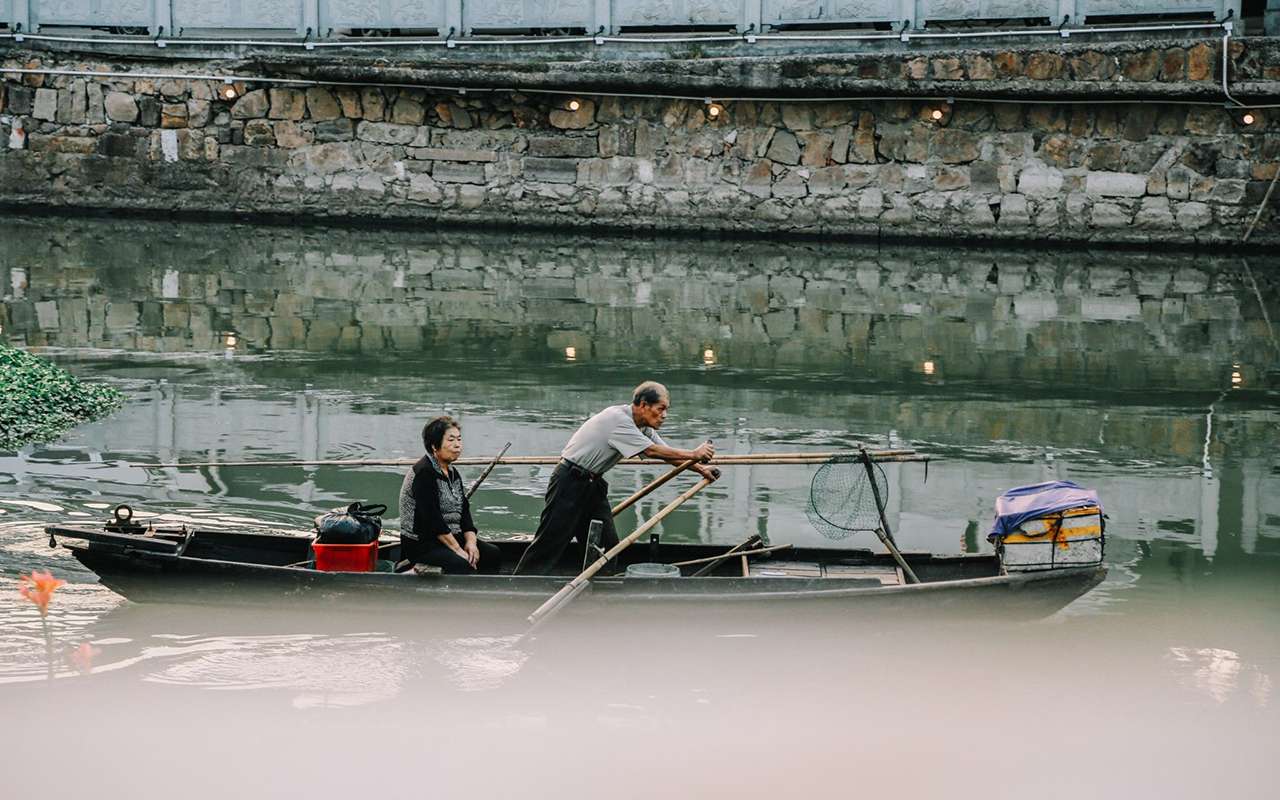
Read Next: Curious about Hangzhou's historic streets? Our Explore Shanghai's Western-Style Streets guide covers the city's unique Haipai culture, and Hangzhou Tea Culture explores the city's famous tea heritage.
Xitang Ancient Town: The Living Legacy of Ming and Qing Architecture
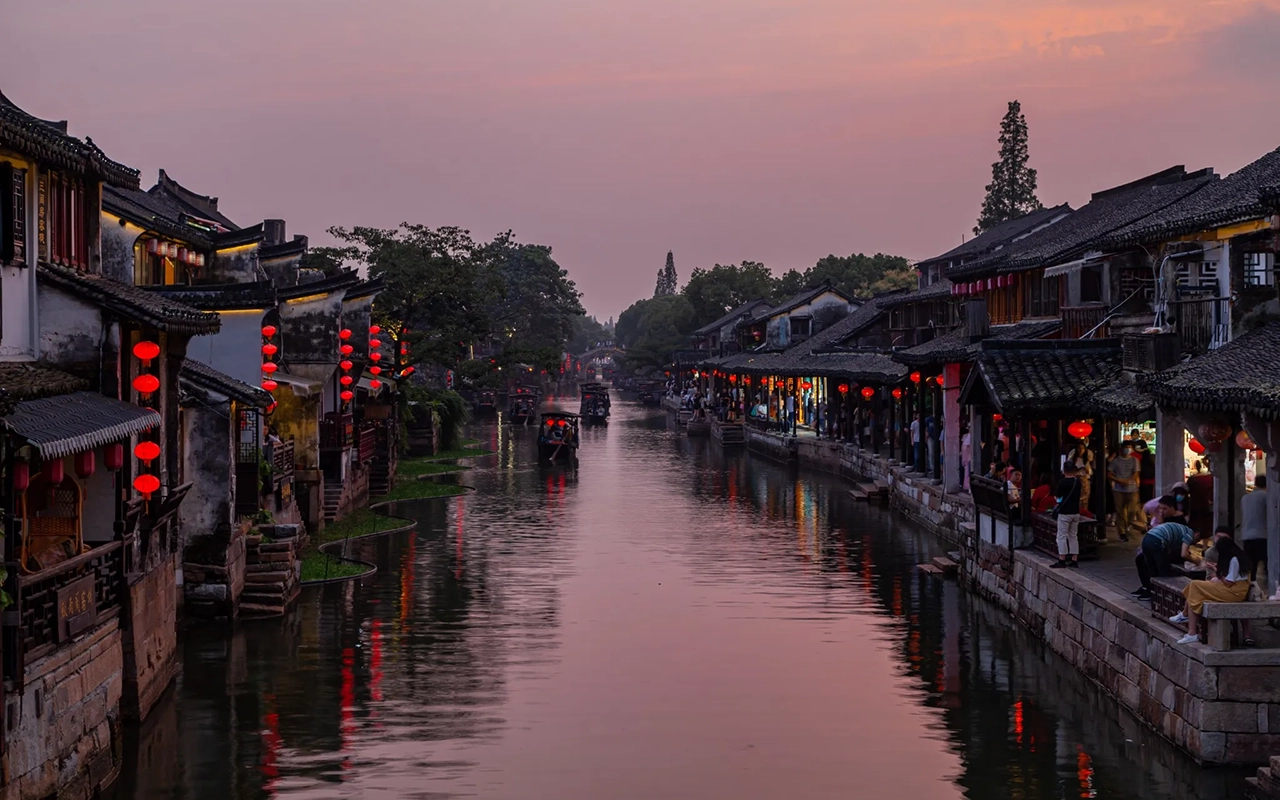
Xitang(西塘)Ancient Town is known for its ancient lanpeng (廊棚)and gulong (古弄), two iconic features that represent the essence of China’s Ming and Qing architecture. Often referred to as the “Living Millennium Town,” Xitang offers a rare look into a beautifully preserved historic waterside settlement.
- Lanpeng – Streets with covered walkways, some along the riverbanks and others in the middle of the town.
- Gulong – Ancient alleys, cobblestone streets, and green-tiled, white-walled houses.
Take a Stroll Through Xitang’s Charm
Wander through the misty, rain-soaked corridors of Xitang and take a leisurely boat ride along the canals. Soak in the beauty of the town while learning about the rich Wu-Yue culture. After sunset, head to Xitang’s famous bar street for a glimpse of the town’s lively nightlife, offering a different vibe from the peaceful daytime.
🧭 How to Get to Xitang
- From Hangzhou : Take the train to Jiashan Station or Jiashan South Station. Then, take K215 or K152 to Xitang, or K222 from Jiashan South Station.Travel time: Approx. 2 hours (Ticket: ¥44)
📌 Visitor Info
- Admission : ¥95/person (Night tour ticket: ¥50/person)
- Opening Hours :Winter (Nov 1–Mar 31): 08:00–16:30Summer (Apr 1–Oct 31): 08:00–17:00
Nanxun Ancient Town: A Unique Blend of Eastern and Western Cultures
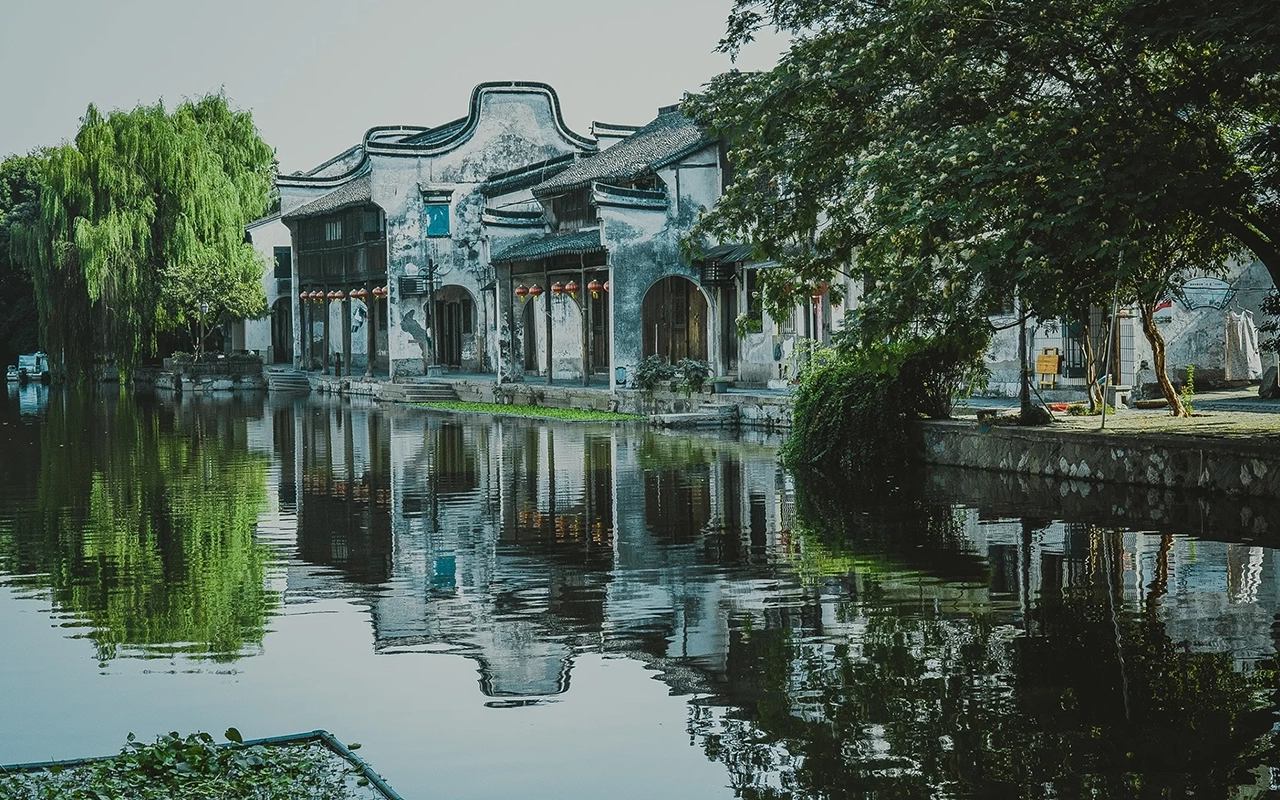
Among the six famous ancient towns, Nanxun (南浔)stands out with its distinct charm. Unlike the other towns, Nanxun does not rely on traditional stone bridges and long corridors. Instead, its true allure lies in its fusion of Eastern and Western influences, seen in its beautiful gardens and historical homes.
Notable sights include the Zhang Shiming Residence , a fine example of grand architecture; the Liu Family 's Tihau, an elegant blend of Western style; and the simple, sturdy Zhang Jingjiang Residence , which offer a glimpse into the town’s rich cultural heritage.
A Town Like No Other
Nanxun is the youngest of the Six Famous Water Towns, and the only one not known for its iconic bridges and flowing waters. Yet, it’s precisely this uniqueness that makes Nanxun so special—its unique landscapes and distinctive culture create a deep, immersive experience that visitors won’t want to miss.
🧭 How to Get to Nanxun
- From Huzhou : Take the high-speed train to Huzhou, then take bus 40 or 101B to Nanxun. From the Zhebei Passenger Transport Center, take a bus to Nanxun.Travel time: Approx. 1h50min (Ticket: ¥42.5)
📌 Visitor Info
- Admission : ¥95/person
- Opening Hours :Winter (Nov 1–Mar 31): 08:00–16:30Summer (Apr 1–Oct 31): 08:00–17:00
Tangqi Ancient Town: A Gateway to Jiangnan’s Water Towns
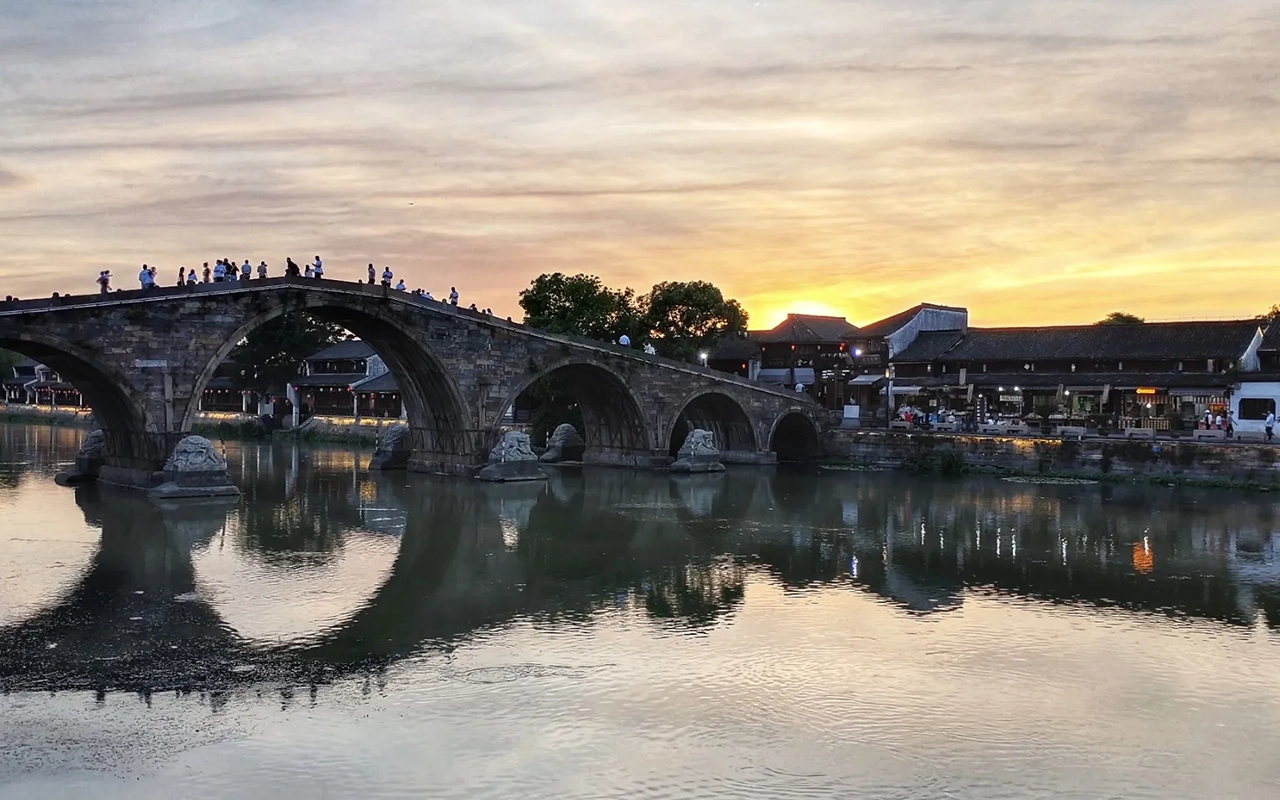
The Grand Canal , which runs through Tangqi, retains the timeless charm of Jiangnan’s water towns. Once regarded as the "Number One of Jiangnan’s Ten Ancient Towns," Tangqi Ancient Town has long been a water gateway to the Jiangnan region. While it may not boast towering mountains or grand rivers, the town’s inherent ancient charm and scenic beauty are what make it an ideal representation of the traditional water town essence.
A Town Steeped in History and Culture
Tangqi is home to many famous historic sites, collectively known as the “Twenty-Four Scenic Spots of Qixi Stream.” Highlights include the ancient Guo Pu Well , the Qianlong Imperial Stele , and the Shuinan Goddess Temple , along with the magnificent Guangji Bridge , a seven-arch bridge spanning the ancient canal. The town is also dotted with historic shops, some of which have been renowned for centuries, such as Huichang , Yao Zhihe Hall , Lao Dingchang , Guang Taifeng , and Da Lun Silk Factory. These ancient sites add an endless allure to Tangqi.
🧭 How to Get to Tangqi
- By Subway and Bus : Take Line 5 to Datieguan Station , then transfer to bus 432 to Tangqi Ancient Town.Travel time: Approx. 1h20min (Ticket: ¥7)
📌 Visitor Info
- Admission : Free to enter the town; fees apply for certain scenic spots.
- Opening Hours : 09:00–16:00
Longmen Ancient Town: A Hidden Gem in Fuyang
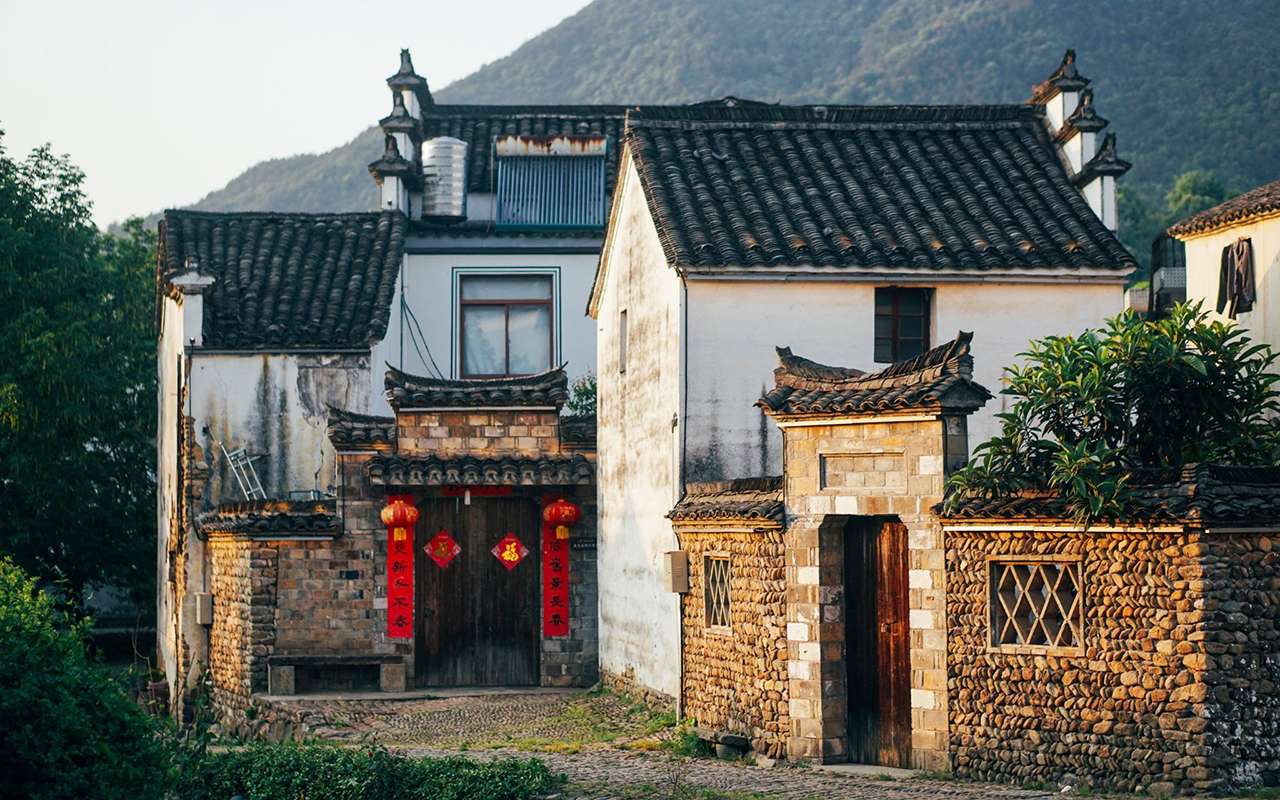
Located in the southwestern part of Hangzhou in Fuyang , Longmen Ancient Town lies at the foot of the Xianxia Mountains to the north and the Fuchun River to the south, making it a key stop along the Fuchun River—Xin 'an River—Qiandao Lake tourist route. The town is crossed by Longmen Creek , which features a number of scenic spots, including the Origins of the Town , Creekside Homes , and Hundred Steps of Legacy —each showcasing the best landscapes of the ancient town.
A Tranquil and Authentic Experience
Despite its simple and ancient appearance, Longmen Ancient Town stands out among the six famous ancient towns for its charm. Unlike other towns, it has a larger local population, many of whom still maintain traditional lifestyles. For those looking to experience the authentic culture of Jiangnan ancient towns, Longmen is a must-visit.
A Legacy of the Sun Family
Longmen’s residents are 90% descendants of Sun Quan , the ruler of the ancient Wu Kingdom during the Three Kingdoms Period. This heritage has earned Longmen the reputation of being a place of both natural beauty and historical significance, with the saying: "Clear mountains and rivers, the Longmen formation; a land of talents and the Sun family."
🧭 How to Get to Longmen
- By Subway and Bus : Take Subway Line 1, transfer to Line 6, then get off at Guihua West Road. From there, take bus 2358C to Longmen Ancient Town.Travel time: Approx. 1h10min (Ticket: ¥12)
📌 Visitor Info
- Admission : ¥80 per person
- Opening Hours : 08:00–17:00
Heqiao Ancient Town: A Historic and Cultural Gem
Heqiao Ancient Town , established during the Ming Dynasty under the reign of Jiajing , is known as the First Town of Tangchang (present-day Changhua). It is one of China’s most famous immigrant towns, historically a hub where "hundreds of people, industries, shops, and craftsmen" converged. Although the town doesn’t boast any prominent families, it has preserved a wealth of local customs and traditions.
A Rich Tapestry of Local Culture
The town features several cultural venues such as the West Zhejiang Anti-Japanese War Memorial Hall , Heqiao Agricultural Museum of Folk Customs , and the Brothel Culture Museum. Visitors can also explore historical sites like The Scholar’s Mansion and Heqiao Old Street. The town is compact, and it only takes about an hour to explore. Just outside the town, you can find the continuation of the Huizhou-Hangzhou Ancient Road —Liuxi River , which is also a great spot for a relaxing visit.
🧭 How to Get to Heqiao
- By Bus : From Hangzhou East Bus Station , take a bus to Changhua. Then, transfer to bus 2907 to Heqiao Ancient Town.Travel time: Approx. 3 hours (Ticket: ¥17)
📌 Visitor Info
- Admission : ¥80 per person
- Opening Hours : 08:00–16:30