Deep in the misty bamboo forests of the Himalayas, a small, furry creature with a bushy striped tail roams the treetops—the red panda (Ailurus fulgens). Often called the "fire fox" or "lesser panda," this unique species is in danger of extinction. With fewer than 10,000 individuals left in the wild, the red panda is listed as endangered by the International Union for Conservation of Nature (IUCN). Habitat destruction, poaching, and climate change are pushing them closer to extinction. Understanding their habitat, behavior, and conservation efforts is crucial to protecting these remarkable animals.



Where Do Red Pandas Live?
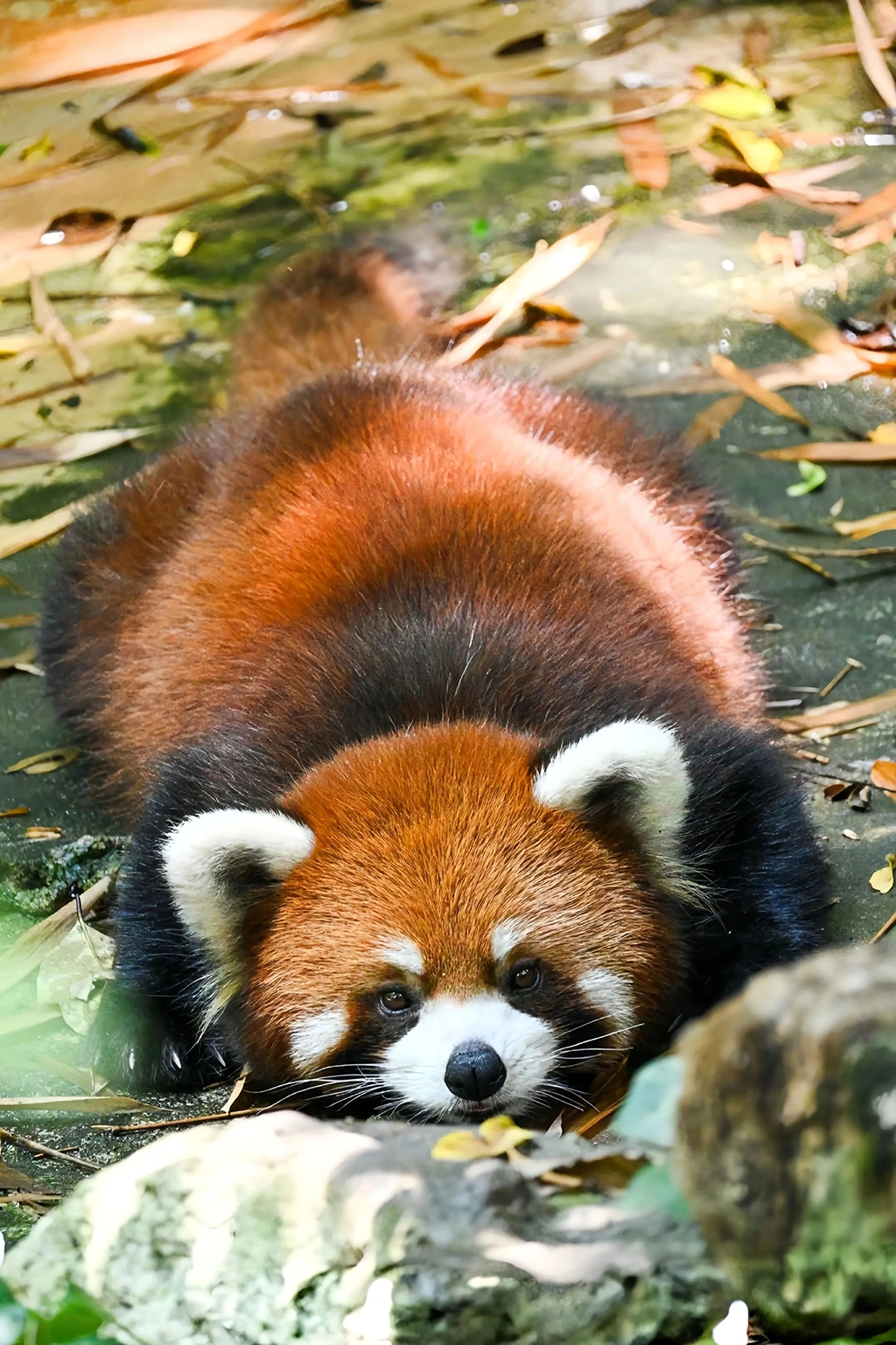
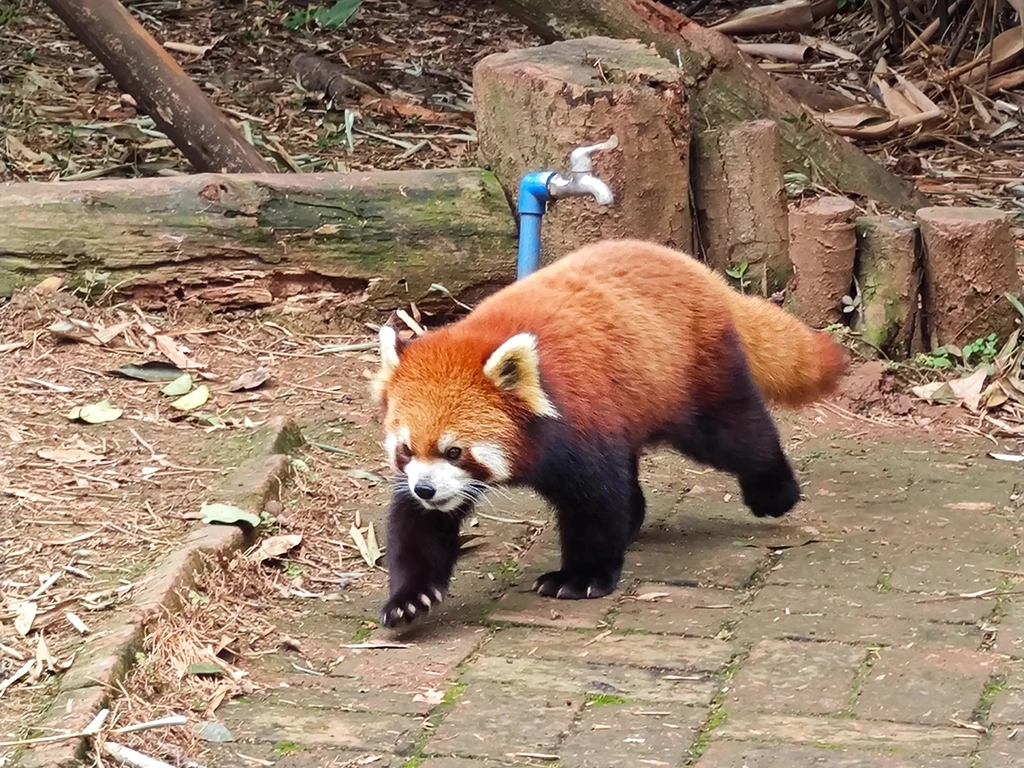
Red pandas are found in the eastern Himalayan mountain forests at altitudes between 6,500 and 13,000 feet. Their range spans China, Nepal, India, Bhutan, and Myanmar, with China holding over half of their global population. These animals require dense bamboo forests, clean water sources, and tree hollows for shelter. Despite their adaptability, rapid deforestation has destroyed nearly 40% of their natural habitat, making survival increasingly difficult.
Read Next: Want more panda content? Our Chengdu Red Panda Forest guide covers forest experiences, and Where to Enjoy Red Pandas in Chengdu has top spots.
Red Panda Behavior and Diet
Although classified as carnivores, red pandas primarily feed on bamboo leaves, consuming up to 9 pounds daily. They also eat berries, fruits, and occasionally insects or eggs. A unique feature of red pandas is their false thumb, a specialized wrist bone that helps them grasp food—similar to a panda’s adaptation but used differently.
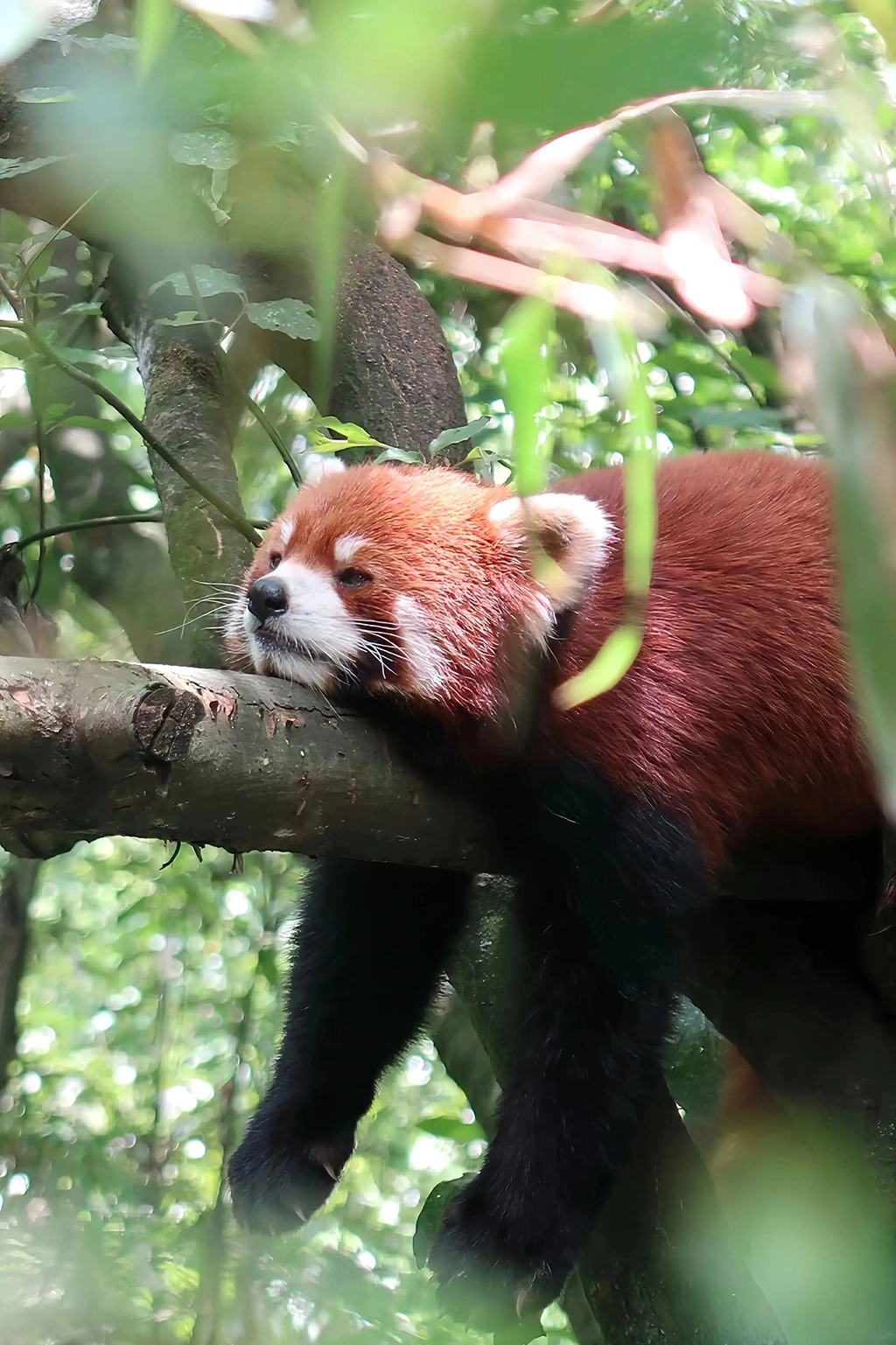
Red pandas are mostly nocturnal and crepuscular, meaning they are active at dawn and dusk. They spend the majority of the day resting on tree branches, using their bushy tails as blankets to keep warm. Agile climbers, they navigate the treetops effortlessly, leaping between branches. When threatened, they stand on their hind legs, raise their paws, and emit chirping sounds—a behavior that may appear intimidating but is largely ineffective against predators.
Why Are Red Pandas Endangered?
Several factors contribute to the red panda's rapid decline:
- Habitat Loss – Deforestation for agriculture, logging, and urban expansion has destroyed nearly half of their living space.
- Poaching and Illegal Trade – Red pandas are frequently captured for the pet trade or hunted for their fur. Over 300 red pandas are poached each year, and most baby pandas taken from the wild do not survive captivity.
- Climate Change – Rising temperatures are forcing red pandas to move to higher altitudes, reducing their already limited habitat.
- Human-Wildlife Conflict – Expanding human settlements, livestock grazing, and tourism activities disrupt their natural environment, increasing stress and competition for resources.
Conservation Efforts and How to Help
Despite these challenges, conservation programs are making a difference:
Protected Areas – China has established 46 nature reserves dedicated to red panda conservation.
Community-Led Initiatives – Nepal’s Red Panda Network trains locals to monitor and protect red pandas in the wild.
Habitat Restoration – Reforestation efforts are underway to restore bamboo forests essential to red panda survival.
Stronger Wildlife Protection Laws – Governments are increasing efforts to combat illegal poaching and trade.
How You Can Help
Support conservation organizations working to protect red pandas.
Avoid purchasing products linked to deforestation.
Raise awareness about the threats facing red pandas.
Where to See Red Pandas in China
For those interested in seeing red pandas up close while supporting conservation, China has several key locations:
- Wawu Mountain National Forest Park (Sichuan) – A prime habitat for observing red pandas in the wild.
- Chengdu Research Base of Giant Panda Breeding (Sichuan) – Home to over 160 captive red pandas, promoting education and conservation.
- Dujiangyan Panda Valley (Sichuan) – A key part of the Giant Panda National Park, where red pandas coexist with giant pandas.
- Beijing’s New Panda Reserve (Fangshan District) – Opening in 2025, this center will help increase public awareness and conservation efforts.
Conclusion
Red pandas are more than just social media stars; they are vital to forest ecosystems. Protecting their habitat means safeguarding biodiversity and preserving an irreplaceable part of our planet’s wildlife. By supporting conservation initiatives and spreading awareness, we can help ensure that these "fire-colored cats" continue to thrive for future generations.